Glamping vs Traditional Camping: Key Differences Explained
Glamping vs Traditional Camping: What’s the Difference? It really comes down to how much comfort, effort, and setup you want on your trip.
Both let you spend time in the great outdoors, but they feel very different in daily life.
If you want to connect with nature without giving up a real bed, a private bathroom, or easier meals, glamping might be the way to go. If you enjoy setting up your own tent, cooking outside, and roughing it a bit, traditional camping probably makes more sense.
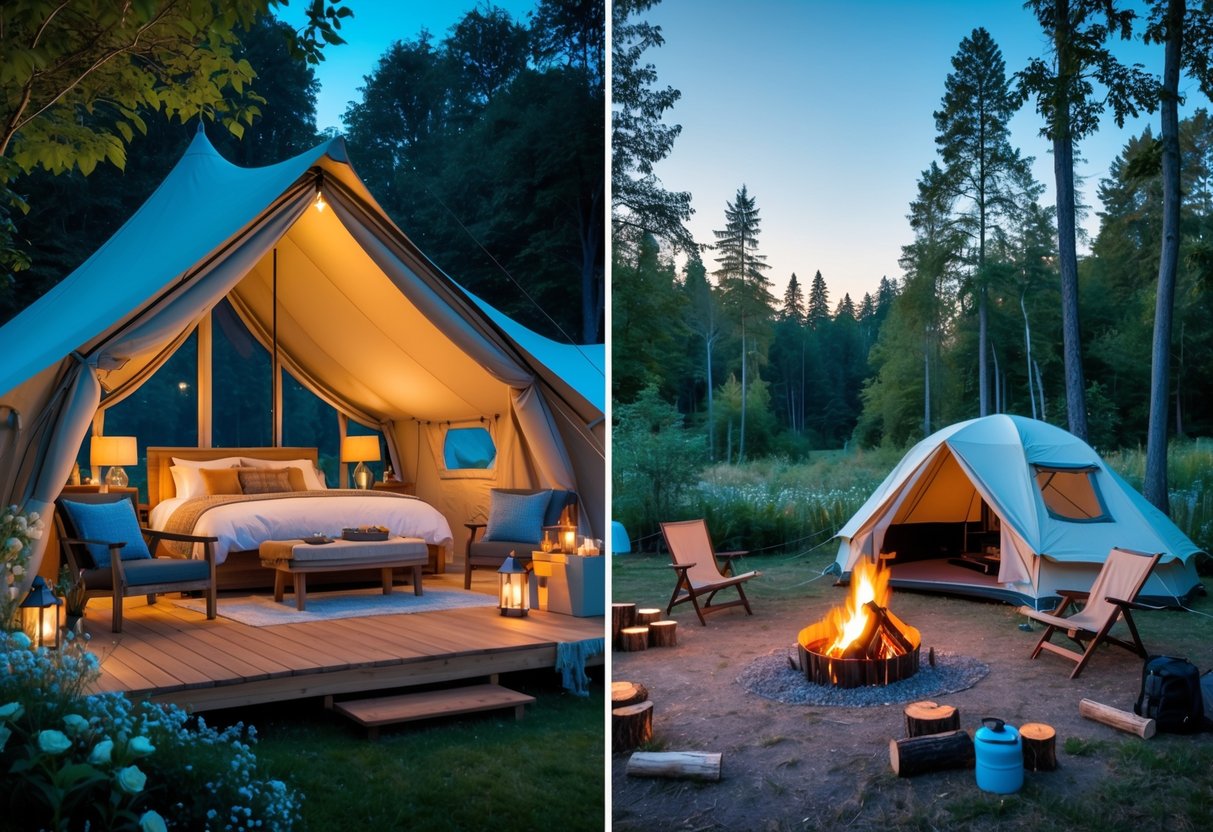
The main difference is pretty simple: glamping trades effort for comfort, while traditional camping trades comfort for a more hands-on outdoor experience.
Key Takeaways
- Glamping usually means more comfort and less setup.
- Traditional camping usually costs less if you already have gear.
- The best choice depends on your sleep, bathroom, and cooking needs.
What Each Style Really Means
When people ask what is glamping, they usually mean a camping-style trip with real comforts built in. Traditional camping keeps things simple and hands-on, while glamping usually starts with ready-made accommodation and more amenities already in place.
What Glamping Usually Includes
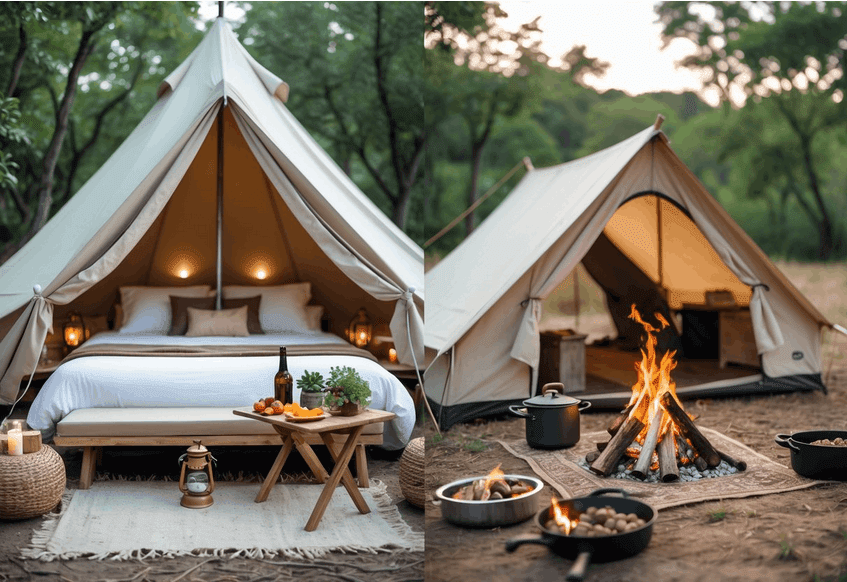
Glamping, short for glamorous camping, usually means you arrive and your setup is mostly done. That can include a furnished yurt, a safari tent, a treehouse, or even hammocks with added comforts nearby.
Most glamping sites give you a bed, lighting, heat or cooling, and a more finished sleeping space. Some places feel closer to boutique hotels than a normal campsite.
What Traditional Camping Looks Like
Traditional camping means you bring your own camping gear and build your own base. You set up the tent, roll out your sleeping bags, and manage your own meals and supplies.
This style is more basic and flexible. You choose the spot, do the work, and live with fewer amenities.
Where the Line Between Them Gets Blurry
The line can get fuzzy when camping becomes more upgraded. A cabin, a platform tent, or a site with shared facilities can feel halfway between the two.
Some glamping spots still feel rugged, and some traditional campsites now have extra features like electric hookups or nicer bathhouses. The biggest clue is usually whether the accommodation is pre-set and how much of the work you have to do yourself.
Comfort, Sleep, and Everyday Conveniences
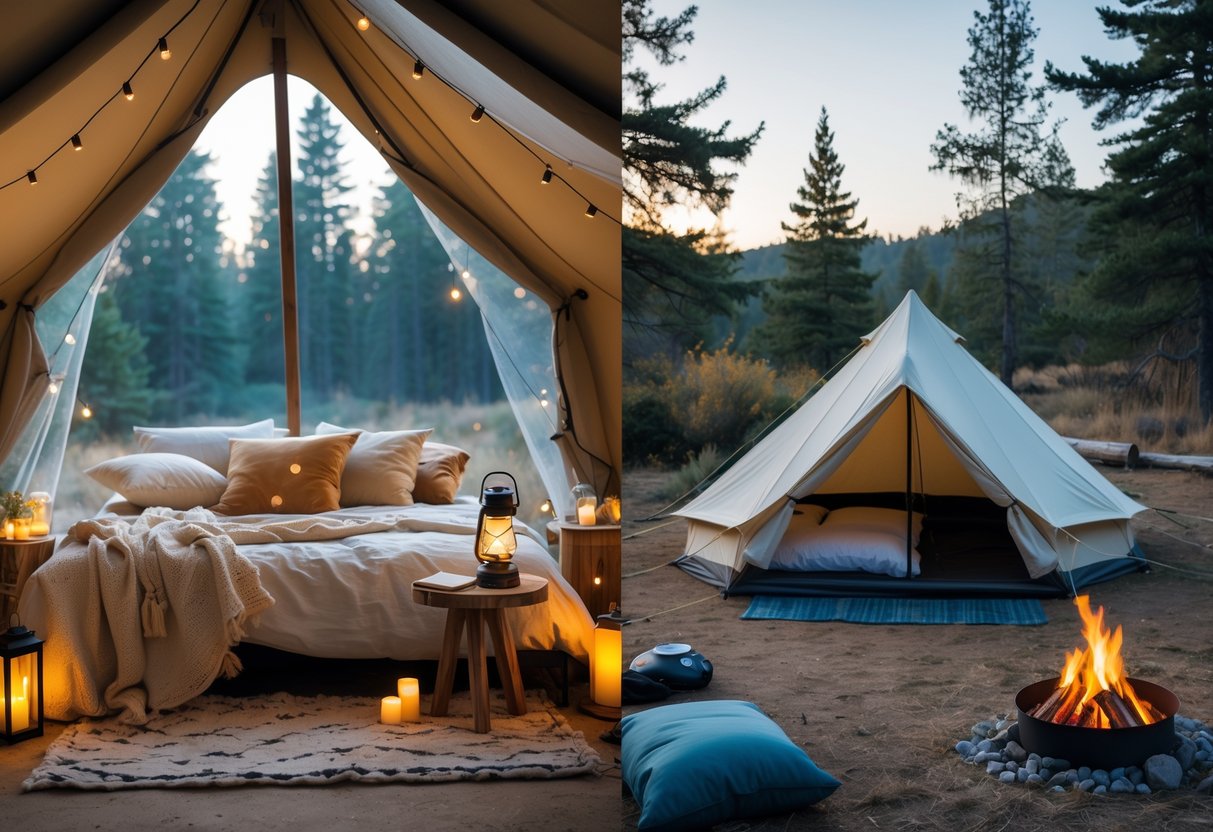
The comfort level is the easiest place to spot the difference. Sleep, bathroom access, and weather protection can shape the whole trip, especially if you’re traveling with kids or want an easier weekend.
Beds, Sleeping Bags, and Nighttime Comfort
Glamping often gives you a real bed or at least a thick mattress with proper bedding. That can make a big difference if you hate sleeping on the ground or wake up with a sore back.
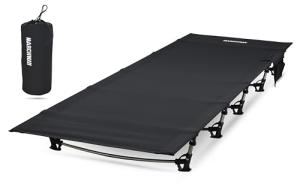
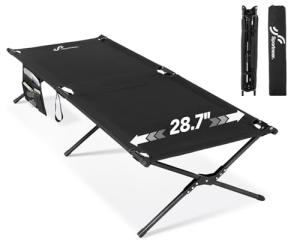
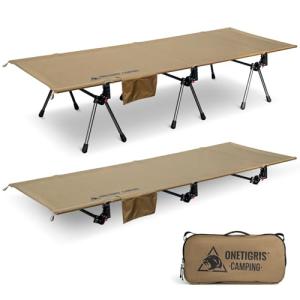
Traditional camping usually means sleeping bags, a pad, or an air mattress. An air mattress helps, but it still feels more like camping than a bedroom.
Bathrooms, Showers, and Privacy
Many glamping places include a private bathroom, and some even have private bathrooms inside the tent or cabin. A hot shower may be just a few steps away, which is a big plus after a hike or a long drive.
Traditional camping often uses shared restrooms or simple park bathrooms. Some sites have showers, some don’t, and privacy is usually limited.
Electricity, Climate Control, and Weather Protection
Glamping often includes electricity, fans, heaters, or air conditioning. That makes it easier to stay comfortable in hot or cold weather and to charge your phone or keep lights on at night.
Traditional camping usually has very little power unless you bring it yourself. If the weather changes fast, you feel it more directly.
Packing, Setup, and Camp Cooking
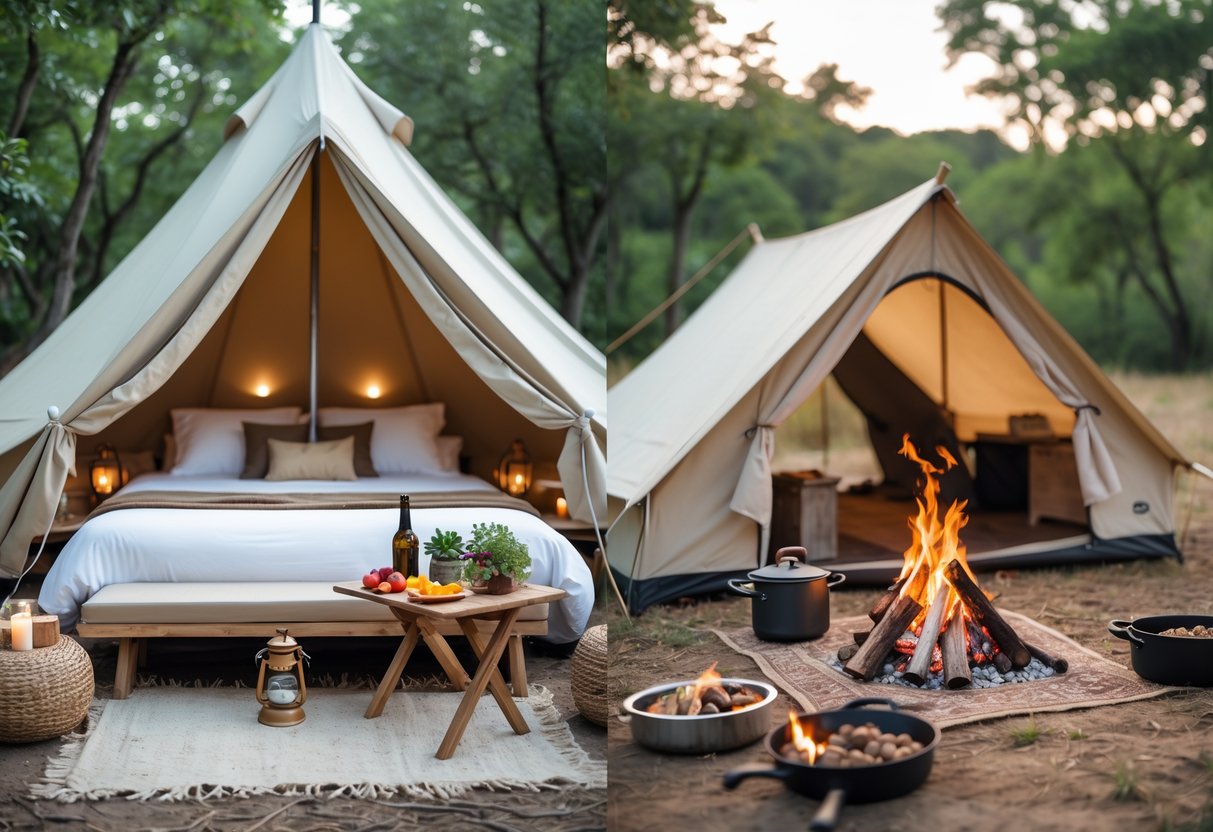
Packing looks very different depending on your style. Traditional camping means more gear, more planning, and more time spent setting up your spot.
What You Need to Bring for Traditional Camping
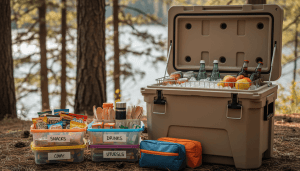
For traditional camping, you usually need camping gear like a tent, sleeping bags, an air mattress, cooking tools, food storage, and lighting. You may also bring a cooler or cool box for cold food and drinks.
If there’s no electricity, you need to plan ahead for power, phone charging, and nighttime lighting. It’s a good fit if you like being prepared and don’t mind hauling more stuff.
How Glamping Cuts Down on Gear
Glamping cuts down the load a lot because the accommodation is already ready. You usually don’t need to bring a tent, bedding, or much sleep gear.
That means less packing, less setup, and less cleanup. For a short getaway, that can make the trip feel easier from the moment you leave home.
Cooking at Camp Versus Ready-Made Facilities
Traditional camping often means camp cooking on a camping stove or over campfire meals. That can be fun, but it takes planning, cleanup, and a little patience.
Glamping sites may offer ready-made kitchens, grills, or even meal service. Not having to manage portable stoves and campfire timing can be a big plus if you want a relaxed trip.
Cost, Access, and Environmental Trade-Offs
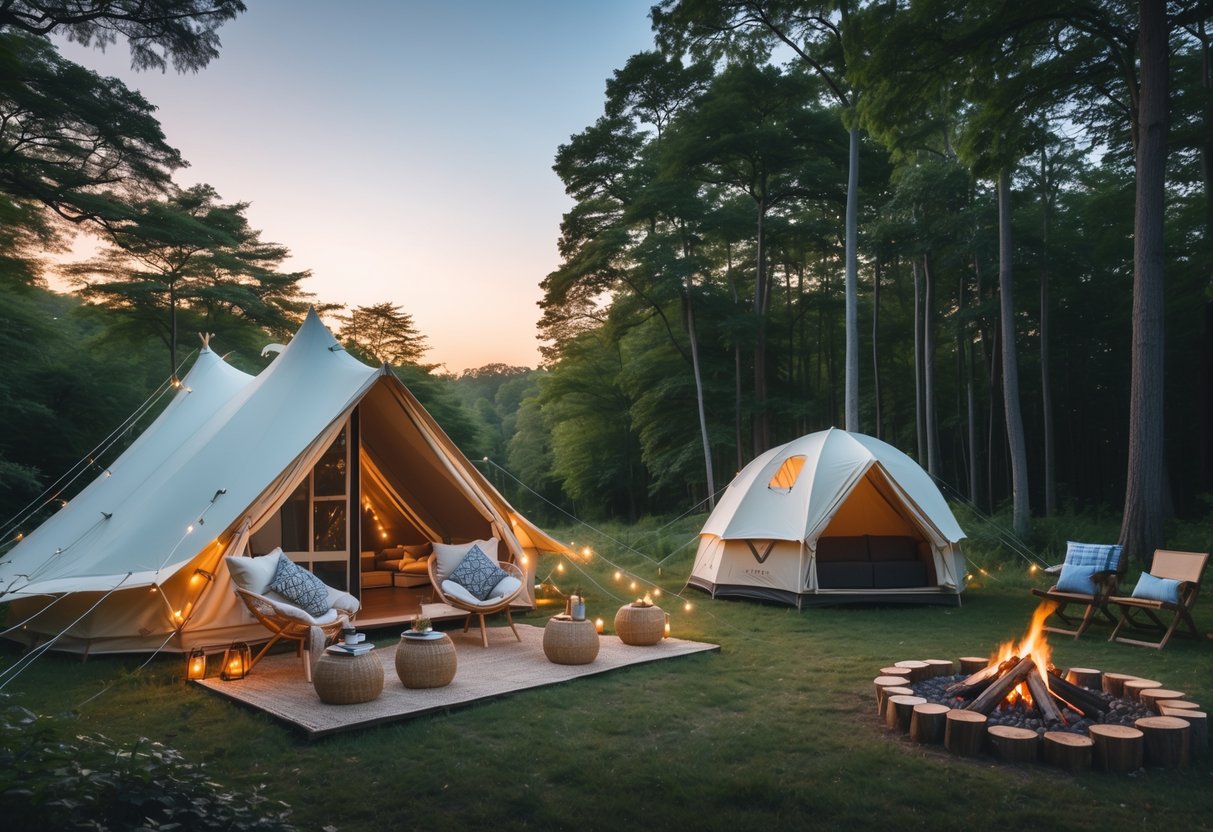
Your budget and travel style matter here just as much as comfort. Traditional camping usually costs less at first, while glamping often costs more per night because the setup and amenities are built in.
Upfront Gear Costs Versus Nightly Booking Costs
Traditional camping can be cheaper over time if you already own camping gear. If you still need to buy everything, though, the first trip can get expensive fast.
Glamping usually has a higher nightly booking cost, since you’re paying for accommodation and convenience. That can still make sense for short trips when you don’t want to buy gear.
Accessibility for Beginners and Short Getaways
Glamping is often easier for beginners, couples, and families who want a low-stress trip. You show up, settle in, and start relaxing.
Traditional camping takes more know-how and more effort, which can be great if you want a real outdoor challenge. For a quick weekend, glamping can feel much easier to fit into a busy schedule.
Environmental Impact and Leave No Trace
Both styles can be done responsibly, but your choices matter. Traditional camping often follows leave no trace habits closely, since you’re managing your own waste and gear.
Glamping sites can vary a lot in environmental impact depending on how they’re built and run. Either way, you’ll want to pack out trash, use water wisely, and respect the land.
The Feel of the Trip
This is where the choice gets personal. One trip feels more hands-on and rugged, while the other feels more like an easy outdoor escape with a few comforts built in.
Hands-On Adventure Versus Turnkey Escape
Traditional camping gives you a more active role in the whole trip. You set up, cook, clean, and solve small problems as they come up.
A glamping experience feels more turnkey. You spend less time managing the basics and more time relaxing, reading, or just sitting outside.
Nature Immersion, Stargazing, and Campfire Evenings
Both can help you connect with nature, see the great outdoors, and enjoy stargazing. The main difference is how much comfort surrounds that experience.
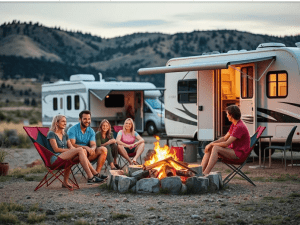
Traditional camping often feels more rustic around the campfire, since everything is simpler. Glamping still gives you the outdoor setting, just with more polish.
Outdoor Skills, Hiking, and Daily Activities
Traditional camping gives you more practice with outdoor skills like pitching a tent, packing food, and handling weather changes. That can make the trip feel rewarding if you like doing things yourself.
Glamping still works well if you want hiking, nature walks, or lazy mornings outside without a lot of setup. If your goal is to spend more time enjoying the day and less time managing gear, it fits nicely.
Which Option Fits You Best
If you’re choosing between camping vs glamping, your comfort level should lead the decision. Think about sleep, bathroom needs, cooking, and how much gear you want to bring.
Who Will Probably Enjoy Glamping More
Glamping usually works best if you want private bathrooms, hot showers, and less work. It’s a strong pick for beginners, couples, families with kids, and older adults who want an easier trip.
It also helps if you like the outdoors but don’t want to deal with a full load of camping gear. If convenience matters, glamping is often the smoother choice.
Who Will Probably Prefer Traditional Camping
Traditional camping usually fits people who enjoy planning, packing, and doing things themselves.
If you like sleeping bags, simple meals, and a more rugged setup, you’ll probably lean that way.
It’s also a good match if your goal is to disconnect and connect with nature in a more basic way.
Some folks just like the feeling of building the trip from scratch, you know?
A Simple Way to Choose for Your Next Trip
Ask yourself three questions. Do you want easy sleep, easy bathrooms, and easy meals?
Want to bring less gear? Are you hoping for a more relaxed stay or a more hands-on one?
If comfort and convenience keep coming up as your answers, glamping is probably your match.
If you’re nodding along to simplicity and self-reliance, traditional camping makes more sense.
Frequently Asked Questions
What makes glamping feel different from regular camping?
Glamping feels different because the accommodation and amenities are already set up for you.
You usually get a real bed, better privacy, and less work before you can relax. That’s a big deal for a lot of people.
Is glamping actually worth the extra cost compared to camping?
It can be, especially if you only want a short getaway and don’t own much camping gear.
If comfort, convenience, and a better night’s sleep matter most to you, the higher price might feel worth it. Sometimes you just want to show up and chill.
Do most glamping spots have private bathrooms or toilets?
Many do, though not all of them.
Some glamping sites offer private bathrooms inside the unit, while others use shared facilities that are still nicer than a basic campground setup.
What are the biggest downsides of glamping?
The biggest downsides are usually cost and a less rugged outdoor feel.
You may also have fewer choices for hands-on camp cooking or true off-grid living. It’s a trade-off, really.
How does glamping compare to staying in a cabin?
A cabin usually feels more like a solid indoor space, while glamping keeps more of the tented or outdoor vibe.
Both can be comfortable, though glamping tends to lean more toward the camping side of the experience. Depends what you’re after, honestly.
What are the main types of camping, and where does glamping fit in?
The main types? You've got tent camping, RV camping, backcountry camping, and car camping. Glamping sits a little off to the side—it's camping, sure, but with way more comfort and ready-made setups.
DISCLAIMER
This document is provided for general information purposes only and should not be relied upon as providing legal advice, technical, or specific operational guidance to the reader, whether as to the practices described in the document or the applicable legal requirements and regulations. bestcampingdeals.com expressly disclaims any responsibility for liability arising from or related to the use or misuse of any information in this document.