Stargazing Activities for Kids on a Camping Trip
There's something truly magical about looking up at a star-filled sky while surrounded by nature. When you combine the adventure of camping with the wonder of stargazing, you create an experience that can captivate children's imaginations and spark a lifelong interest in astronomy. Away from city lights, camping trips offer the perfect opportunity to introduce kids to the marvels of the night sky in a fun, engaging, and educational way.
Whether you're planning your first family camping trip or you're seasoned outdoor enthusiasts looking for new activities, stargazing is an accessible adventure that requires minimal equipment but delivers maximum wonder. In this guide, we'll explore creative stargazing activities specifically designed for kids, essential equipment to enhance the experience, safety considerations, and tips for making your nighttime sky exploration both educational and memorable.
The Educational Benefits of Stargazing for Kids

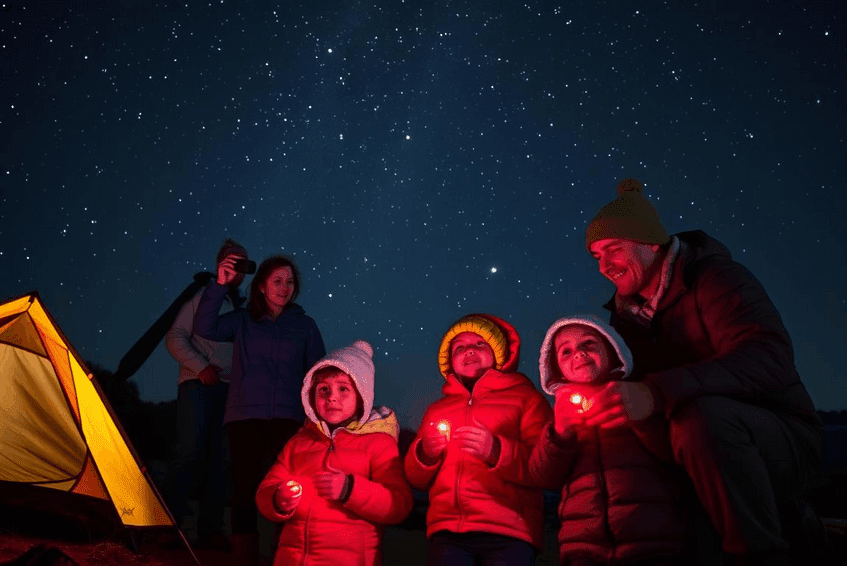
The wonder of discovery: Children experiencing the night sky during a camping trip
Stargazing is more than just a fun nighttime activity—it's a gateway to learning that spans multiple disciplines. When children gaze up at the stars, they're engaging with science, history, mythology, and more in a naturally integrated way.
Scientific Understanding
Observing the night sky helps children grasp fundamental concepts about our solar system, the movement of celestial bodies, and the vastness of space. They'll begin to understand concepts like rotation, orbit, and gravity through direct observation.
Spatial Awareness
Identifying constellations and tracking the movement of stars helps develop spatial reasoning skills. Children learn to recognize patterns and understand how objects relate to one another in three-dimensional space.
Cultural Appreciation
The stories behind constellations connect children to cultural traditions from around the world. These tales from ancient civilizations show how humans have always looked to the stars for meaning and guidance.
Beyond these specific benefits, stargazing nurtures a child's natural curiosity and sense of wonder. It encourages them to ask questions about the universe and their place within it. This kind of deep engagement with the natural world can foster environmental awareness and a lifelong appreciation for science.
Essential Stargazing Equipment for Kids
You don't need expensive equipment to enjoy stargazing with kids. Here are some basic items that will enhance your experience without overwhelming young astronomers:

Basic Equipment
- Binoculars: More practical than telescopes for beginners and younger children (ages 5+). Look for lightweight models with 7×35 or 10×50 magnification that are easy for small hands to hold.
- Red Flashlight: Essential for preserving night vision while reading star charts or moving around. You can make one by covering a regular flashlight with red cellophane.
- Star Charts or Astronomy Apps: Kid-friendly star charts with simple, clear illustrations are perfect for children ages 7+. For tech-savvy families, apps like Star Walk Kids or SkyView Lite make identifying stars interactive.
- Comfortable Seating: Reclining camping chairs or a large blanket with pillows prevents neck strain during extended stargazing sessions.
Optional Enhancements
- Laser Pointer: For adults to use when pointing out stars and constellations (never let children handle these).
- Thermos: Fill with hot chocolate or warm apple cider to keep cozy during nighttime observation.
- Star Wheel (Planisphere): A rotating star map that shows which constellations are visible at any given time and date.
- Notebook and Pencil: For older children (8+) to keep a stargazing journal, recording observations and drawings.
Get Your Free Printable Star Chart for Kids!
Download our specially designed constellation chart that makes it easy for children to identify the major stars and constellations. Includes simple connect-the-dots patterns and kid-friendly constellation stories!
Download Free Star ChartSafety Considerations for Nighttime Stargazing

Safety should always be a priority when stargazing with children, especially in a camping environment. Here are important considerations to ensure everyone has a safe and enjoyable experience:
Important Safety Reminders
Always maintain supervision of children during nighttime activities. Establish clear boundaries for where children can go, and use the buddy system for older kids.
Preparation and Planning
- Scout Your Location: During daylight hours, identify a flat, open area for stargazing that's free of hazards like holes, roots, or steep drops.
- Mark the Path: Use glow sticks or solar lights to mark the path between your campsite and stargazing spot.
- Weather Check: Monitor weather forecasts and be prepared to postpone if conditions might be unsafe.
- First Aid: Keep a first aid kit easily accessible, and know the location of the nearest emergency services.
During Stargazing
- Proper Lighting: Use red flashlights to preserve night vision while still allowing safe movement.
- Dress Appropriately: Temperatures can drop significantly at night, so dress in layers and bring extra blankets.
- Hydration and Snacks: Keep water and simple snacks on hand, but avoid excessive sugar before bedtime.
- Wildlife Awareness: Store food properly and be aware of local wildlife that might be active at night.
By taking these precautions, you can ensure that your family's stargazing adventure remains a positive experience that children will look forward to repeating on future camping trips.
7 Age-Appropriate Stargazing Activities for Kids
The best stargazing activities engage children's natural curiosity while being appropriate for their age and attention span. Here are seven creative activities designed for different age groups:

1. Constellation Connect-the-Dots (Ages 4-7)
Young children love finding patterns in the sky. This activity makes it accessible and engaging for them.
- Materials: Printable constellation cards with bright dots representing stars
- How to Play: Help children identify bright stars in the sky that match the pattern on their card. Use a red flashlight to illuminate the card without affecting night vision.
- Educational Benefit: Develops pattern recognition and introduces basic constellation shapes.
2. Star Stories (Ages 5-10)
Combine stargazing with storytelling to captivate young imaginations.
- Materials: Knowledge of simple constellation myths or a child-friendly astronomy book
- How to Play: Point out a constellation like Orion or Ursa Major (Big Dipper), then tell the traditional story behind it. Encourage children to create their own stories about what they see in the star patterns.
- Educational Benefit: Connects astronomy with cultural history and stimulates creativity.

3. Constellation Shadow Puppets (Ages 6-12)
This creative activity combines art and astronomy for a memorable experience.
- Materials: Flashlight, tent or light-colored surface
- How to Play: Use hands to create shadow puppets that represent constellations or space objects. Project them onto the side of a tent or light-colored surface.
- Educational Benefit: Encourages creativity while reinforcing knowledge of constellation shapes.
4. Planet Spotting Game (Ages 7-12)
Turn planet identification into an exciting challenge.
- Materials: Star chart or astronomy app showing visible planets
- How to Play: Research which planets will be visible during your camping trip. Create a simple scavenger hunt where children earn points for spotting different planets. Remind them that planets don't twinkle like stars.
- Educational Benefit: Teaches planet identification and observation skills.

5. Star Jars (Ages 8-12)
Create a take-home memento of your stargazing adventure.
- Materials: Clean mason jars, black construction paper, pushpin, scissors, tape, small flashlight
- How to Play: During the day, help children cut black construction paper to fit around the jar. Use a pushpin to poke holes in the paper in constellation patterns. Secure the paper around the jar with tape. At night, place a small flashlight inside to project stars onto the tent ceiling.
- Educational Benefit: Reinforces constellation recognition and creates a souvenir that can be used for bedtime stargazing at home.
6. Meteor Shower Watching (Ages 6+)
If your camping trip coincides with a meteor shower, it's an unforgettable experience for children.
- Materials: Comfortable blankets or reclining chairs, meteor shower calendar
- How to Play: Research upcoming meteor showers and plan your camping trip accordingly. Create a simple tally system where children count how many "shooting stars" they see. Make wishes on the brightest ones!
- Educational Benefit: Teaches patience and observation skills while introducing concepts about meteors and Earth's atmosphere.

7. Moon Phase Journal (Ages 9-12)
For multi-night camping trips, tracking the moon can be fascinating.
- Materials: Small notebook, pencils, binoculars (optional)
- How to Play: Have children observe and draw the moon each night of your camping trip. They can note its position in the sky, its phase, and any features they can see with or without binoculars.
- Educational Benefit: Introduces concepts of lunar phases and orbital mechanics in an observational, hands-on way.
Stargazing Activity Checklist
Never forget an essential item for your nighttime astronomy adventures! Our printable checklist includes equipment, safety items, and activity materials organized by age group.
Download Activity ChecklistMaking Stargazing Memorable: Comfort and Engagement Tips

The difference between a forgettable stargazing attempt and a magical memory often comes down to comfort and engagement. Here are practical tips to ensure your family's stargazing experience is one they'll talk about for years to come:
Creating a Comfortable Setting
- Cozy Seating Arrangement: Create a "star nest" with sleeping bags, blankets, and pillows. Reclining camping chairs work well for older children and adults to prevent neck strain.
- Temperature Management: Bring extra layers, hats, and blankets—temperatures can drop significantly at night, even in summer.
- Insect Protection: Apply child-safe insect repellent before starting and consider setting up in a screened area if bugs are particularly bothersome.
- Timing Consideration: Start your stargazing session early in the evening when children are alert but not overtired. The first hour after sunset often reveals the brightest stars and planets.

Engaging the Senses
- Themed Snacks: Prepare star-shaped cookies, "moon cheese," or "galaxy hot chocolate" with marshmallow "stars." Having special treats that are only available during stargazing makes the experience more anticipated.
- Gentle Background Music: Soft instrumental music can enhance the magical feeling without distracting from the experience. Space-themed classical music like Holst's "The Planets" can be particularly appropriate.
- Scent Association: The smell of a campfire or specific snacks can create powerful memory associations. Years later, these scents may trigger memories of your stargazing adventures.
Keeping Interest Alive
- Alternate Activities: Have several short activities planned rather than one long observation session. Switch between storytelling, games, and direct observation to maintain engagement.
- Personal Connection: Help children find their "birthday constellation" (the zodiac constellation visible during their birth month) or stars that share their initials.
- Photography Fun: For older children, try simple night photography with a smartphone. Many newer phones have night modes that can capture basic star fields or the moon.
- Question Time: Dedicate time for "space questions" where children can ask anything about the universe. If you don't know the answer, write it down to research together the next day.
"The greatest gift we can give children is not protection from challenge, risk, and struggle, but the confidence and tools to face and overcome them." — Stargazing offers the perfect blend of wonder, learning, and gentle challenge that builds confidence.
Remember that your enthusiasm is contagious. When you express genuine wonder at the night sky, your children are more likely to develop their own appreciation for the cosmos. Don't worry about knowing all the answers—focus instead on sharing the experience of discovery together.
Best Times and Conditions for Stargazing with Kids

Timing your stargazing session appropriately can make the difference between an awe-inspiring experience and a frustrating one. Here's how to plan for optimal viewing conditions:
Seasonal Considerations
| Season | Advantages | Challenges | Special Features |
| Summer | Earlier sunset times for younger children; warmer temperatures | Shorter darkness period; more insects | Milky Way most visible; Perseid meteor shower (August) |
| Fall | Moderate temperatures; earlier darkness | Variable weather conditions | Andromeda Galaxy visible; Orionid meteor shower (October) |
| Winter | Clearest skies; longest dark periods | Cold temperatures require extra preparation | Orion constellation; Geminid meteor shower (December) |
| Spring | Fewer crowds at camping sites; moderate temperatures | More precipitation in many regions | Leo constellation; Lyrid meteor shower (April) |
Moon Phases and Timing
- New Moon: The darkest skies occur during the new moon phase, making it ideal for seeing faint objects like the Milky Way and distant stars.
- First Quarter/Last Quarter: These phases offer a good balance—the moon provides some interesting viewing while not washing out too many stars.
- Full Moon: While not ideal for deep-sky stargazing, a full moon offers excellent opportunities for lunar observation. The moon's craters and "seas" are clearly visible.
- Twilight Advantage: Begin your session during twilight (30-60 minutes after sunset) when it's easier to set up equipment and orient yourself before complete darkness.
Finding Dark Skies
Light pollution significantly impacts stargazing quality. When planning your camping trip, consider these options for finding darker skies:
- Dark Sky Parks: Many national and state parks have been designated as Dark Sky Parks, offering protected viewing conditions.
- Higher Elevations: Camping at higher elevations often provides clearer viewing with less atmospheric interference.
- Remote Campgrounds: Choose campgrounds away from cities and towns for naturally darker conditions.
- Light Pollution Maps: Use online resources like the Dark Site Finder to identify areas with minimal light pollution near your planned camping location.
Weather Check Tip
Before your trip, check both general weather forecasts and astronomy-specific "seeing conditions" forecasts, which predict cloud cover, humidity, and atmospheric stability—all factors that affect stargazing quality.
By planning your stargazing session with these factors in mind, you'll maximize your chances of providing children with a clear, impressive view of the night sky that will spark their imagination and curiosity.
Extending the Learning: Before and After Your Trip

The learning opportunities from stargazing extend well beyond your camping trip. Enhance the educational value with these pre-trip preparation activities and post-trip reinforcement ideas:
Before Your Trip: Building Excitement and Knowledge
- Visit a Planetarium: If possible, take children to a planetarium show before your trip to introduce basic concepts and build anticipation.
- Read Age-Appropriate Books: Explore children's books about stars, constellations, and space. For younger kids (4-7), try "The Sky Is Full of Stars" by Franklyn Branley. For older children (8-12), "Find the Constellations" by H.A. Rey is excellent.
- Practice with Apps: Familiarize children with stargazing apps indoors by pointing them at the ceiling and explaining how they'll work outdoors.
- Make Constellation Cards: Create simple flashcards with constellation patterns that children can reference during your trip.

After Your Trip: Reinforcing the Experience
- Create a Star Journal: Help children compile their observations, drawings, and photos into a special "astronomy journal" they can add to on future trips.
- Build a Model Solar System: Use the knowledge gained during your trip to create a scale model of the solar system at home.
- Join a Local Astronomy Club: Many clubs offer special programs for children and families with access to larger telescopes and expert guidance.
- Stargazing Calendar: Create a calendar of celestial events for the coming year, marking meteor showers, eclipses, and planet alignments to anticipate.
- Space-Themed Crafts: Extend the experience with crafts like papier-mâché planets, constellation string art, or galaxy slime.
Stay Connected to the Stars!
Sign up for our monthly newsletter featuring seasonal stargazing tips, upcoming celestial events, and family-friendly outdoor activities. Perfect for planning your next adventure!
Subscribe to NewsletterBy connecting the stargazing experience to activities before and after your camping trip, you create a more comprehensive learning experience that reinforces concepts and maintains children's interest in astronomy over time.
Conclusion: Creating Cosmic Memories Together

Stargazing with children during a camping trip offers so much more than a science lesson—it creates a shared experience of wonder that strengthens family bonds and builds lasting memories. When we step away from screens and daily distractions to look up at the vast night sky together, we give our children a precious gift: perspective on their place in the universe and quality time with the people who matter most.
The activities and tips in this guide are designed to make stargazing accessible and engaging for children of all ages. Whether you're identifying constellations, telling star stories, or simply lying back to watch for shooting stars, these moments of cosmic connection can become cherished family traditions that children carry with them into adulthood.
Remember that you don't need to be an astronomy expert or have expensive equipment to create a meaningful stargazing experience. Your enthusiasm, preparation, and willingness to wonder alongside your children are the most important elements. So pack your red flashlight, grab your star chart, and head out on your next camping adventure with confidence—the universe is waiting to be discovered together.
"Teaching children about the natural world should be seen as one of the most important events in their lives."
Frequently Asked Questions
What if it's cloudy during our camping trip?
Cloud cover is an unavoidable challenge for stargazers. If your planned stargazing night is cloudy, have backup activities ready like telling constellation stories inside the tent with a star jar, or doing daytime solar activities if it's clear during the day. Check weather forecasts for your camping area and try to plan a multi-day trip to increase your chances of at least one clear night.
How do I keep my child interested if they can't immediately see what I'm pointing out?
Start with easy-to-find objects like the Moon, bright planets (Venus, Jupiter, Mars), or prominent constellations like the Big Dipper. Use references like "start at this bright star, then move up about the length of your thumb when held at arm's length." If frustration builds, switch to a different activity like storytelling or a constellation game, then try again later.
What's the best age to start stargazing with children?
Children as young as 3-4 can enjoy basic stargazing activities like identifying the Moon or very bright stars. By ages 5-7, they can begin to recognize simple constellation patterns and enjoy star stories. Ages 8 and up can appreciate more detailed observations and understand more complex astronomical concepts. Adjust your expectations and activities to match your child's attention span and interests.
Do I need a telescope to make stargazing worthwhile?
Absolutely not! Many astronomers recommend starting with just your eyes and perhaps binoculars. Learning to navigate the night sky and identify major features is an important first step before moving to a telescope. If you do want to use a telescope, consider attending a star party where experts can help, or rent/borrow one first to see if your children show sustained interest.
How can I find out about meteor showers or other special astronomical events?
Websites like NASA.gov, Space.com, and EarthSky.org publish annual calendars of meteor showers and other celestial events. Many stargazing apps also provide alerts for upcoming events. Major annual meteor showers include the Perseids (August), Leonids (November), and Geminids (December), but check specific dates for each year as they can vary slightly.
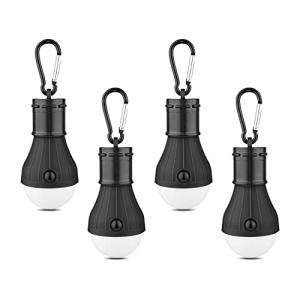
Bright LED Camping Lanterns - 4 Pack
Light up your campsite with this set of four powerful and energy-efficient lanterns
Product information
$11.98
Product Review Score
4.77 out of 5 stars
144 reviewsProduct links
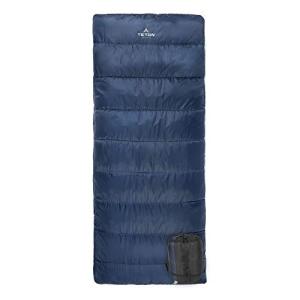
TETON Sports Polara 3-in-1 Sleeping Bag - Blue
Stay warm and cozy with this versatile sleeping bag that adapts to any camping adventure
Product information
$119.99
Product Review Score
4.12 out of 5 stars
106 reviewsProduct links
DISCLAIMER
This document is provided for general information purposes only and should not be relied upon as providing legal advice, technical, or specific operational guidance to the reader, whether as to the practices described in the document or the applicable legal requirements and regulations. Best Camping Deals expressly disclaims any responsibility for liability arising from or related to the use or misuse of any information in this document.