Morning Hikes vs. Evening Hikes: What Tent Campers Should Consider

Deciding when to hit the trail affects your whole trip: camp chores, daylight margin, and comfort. Seasoned hiker Erin Gifford notes two peak energy windows—one soon after waking and another later in the day—so planning around those bursts can make a big difference.
Early starts often bring cooler air, fewer bugs, easier parking, and extra daylight to fix navigation errors. A later window can reward you with sunset color and stargazing, but it narrows your margin for error.
This guide sets expectations by tying priorities—camp setup, route length, and campsite timing—to your energy and schedule. It previews trade-offs tent users face: temperature swings, visibility, and how late changes affect the return to camp.
In short, there is rarely one universal best time. The smarter approach is to align your hike with conditions, goals, and the chores that matter most at camp.
Key Takeaways
- Two daily peaks: plan your hike around natural energy windows for better pace and safety.
- Morning perks: cooler temps, fewer crowds, and more daylight to correct errors.
- Evening perks: sunsets and reduced trailhead pressure before nightfall.
- Camp chores matter: timing affects cooking, drying gear, and leaving no trace.
- Risk trade-offs: consider temperature swings and visibility when scheduling a trip.
Why hike timing matters for tent campers: safety, setup windows, and overall experience
Timing a day on the trail shapes safety margins, campsite chores, and the feel of your outing.
Erin Gifford notes that an early start keeps you out of the hottest noon–3 pm stretch in summer and adds daylight if you get off route. That daylight buffer gives more hours to find water, fix gear, or wait for help.
The 52 Hike Challenge community lists key reasons for early departures: cooler temps, solitude, safety, and a deeper connection with nature. Evening departures attract people who need post‑work access and want sunset views.
- Daylight buffer: Start early to allow time for route‑finding and unplanned breaks.
- Camp setup: Pitch before dark to check guylines and clear the approach without rushing.
- Trail traffic: More people mid‑day can increase the chance someone can assist in an emergency.
Match route length and energy to your chosen hour. Short, familiar routes work well late; longer itineraries are safer when you begin at first light.
| Factor | Morning start | Evening start | Best use |
|---|---|---|---|
| Safety margin | High — more daylight | Low — compressed hours | Long routes, uncertain terrain |
| Camp setup | Easy — pitch before dark | Risk of rushing | Arrive early to organize gear |
| Trail traffic | Moderate to busy | Fewer people | Factor in need for assistance |
Morning Hikes vs. Evening Hikes: What Tent Campers Should Consider
Choosing when to start affects comfort, chores, and safety for the whole day. Small timing shifts change how much daylight you have to sort gear, find water, and pick a safe pad.
Advantages of early starts
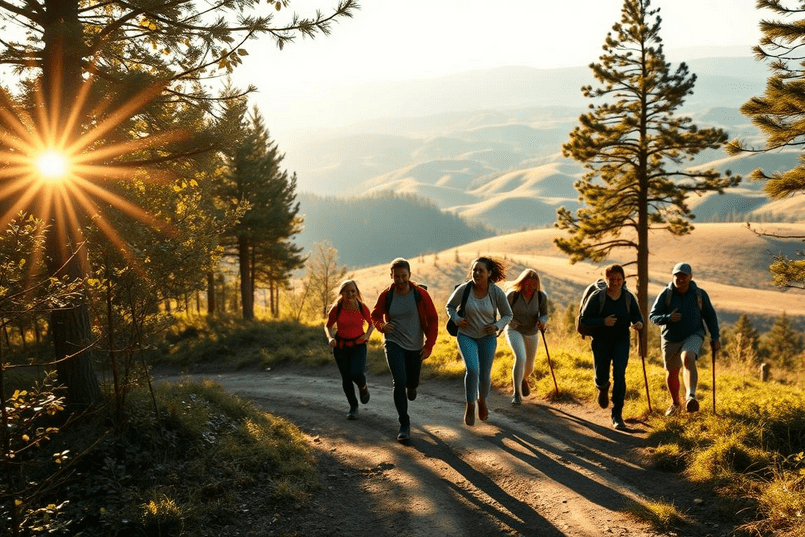
Early departures often bring cooler temperatures, fewer bugs, and easier parking. An early morning start gives more daylight to dry a rain fly, reach water, and move camp without rushing.
Fewer people on popular trails makes pacing easier and increases the odds of getting a good tent site before mid‑day crowds arrive.
Morning trade-offs
Expect dew‑soaked flysheets, earlier alarms, and extra wildlife awareness at first light near water sources. Plan quiet routes and keep food sealed.
Advantages for later departures
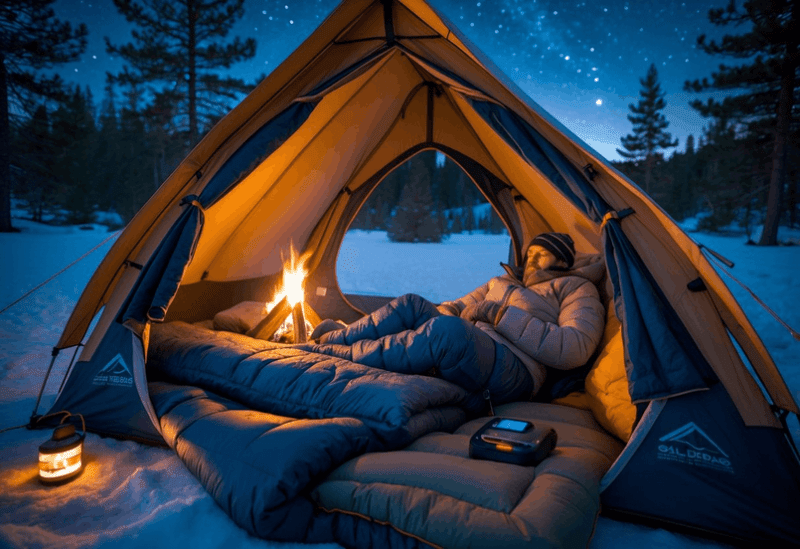
Evening outings reward you with sunsets, solitude, and post‑work access. Fewer daytime crowds mean calm camps and prime stargazing after dinner.
Evening trade-offs
Low‑light navigation requires a full‑power headlamp and conservative route choices. Temperatures can drop quickly after sunset, so pack warm layers.
Quick decision guide
- If forecast heat or high UV is likely, get early and beat the high sun.
- If day temps are punishing but evenings are mild, plan a short out‑and‑back that ends near camp.
- Tie timing to chores: decide whether to filter water first thing or after dinner, and aim to pitch before dark when possible.
Energy, safety, and light: aligning hikes with circadian rhythms and daylight hours

Aligning your energy curve with daylight makes trips safer and more enjoyable. Erin Gifford notes two reliable boosts: an early surge within about 90 minutes of waking and an evening rebound. Use those windows to fit hard or easy sections of your plan.
Peak energy windows
Use the morning surge for steep climbs or longer mileage. Reserve the evening rebound for short approaches, mellow summits, or photography. Match food, sleep, and caffeine to the plan so you maintain steady energy.
Daylight safety edge
Start when the sun is up to avoid the dangerous noon–3 pm heat window. Extra daylight gives hours of margin for route‑finding, creek crossings, or unexpected delays. Longer routes benefit from an early departure.
Night travel safety
For low‑light moves, adopt conservative tactics: wear a full‑power headlamp, stay on a well‑marked trail, load a GPS map, and hike with a partner when possible. Tell someone your plan and expected return time.
- Slow your pace at night; lift feet over roots and pause on rocky tread.
- Save technical terrain for daylight; use night segments for simple approaches.
- Good light helps spot durable tent pads and overhead hazards before staking out.
Seasonal and weather factors that affect morning vs. evening hikes for campers

Seasonal cues help you choose safer hiking hours and smarter times to rest at camp.
Summer brings clear guidance: avoid the noon–3 pm window when heat and humidity peak. Erin Gifford advises early starts to stay cool and avoid bugs. If you prefer evening outings in hot, arid places, keep routes short and close to camp so you can refill water and eat before dark.
Cold‑season nuances
Shorter days make late departures risky. By mid‑ to late‑November, fallen leaves hide roots and make descents slick. In winter you’ll see fewer bugs, ticks, and even snakes as activity drops. Bring traction and plan extra time for careful moves on icy or leaf‑covered sections.
- Summer tip: Schedule mileage early to beat the heat and afternoon storms.
- Shoulder seasons: early‑spring will have soft ground; late‑spring fills in foliage and alters sightlines.
- Desert use: evening can offer cooler air and a colorful sky from overlooks or camp.
Plan around forecasted swings in sun, wind, and temperature. A one‑ or two‑hour shift in start times can turn a slog into a safe, enjoyable hike. Factor in wildlife activity at dawn and dusk near meadows and water so you stay alert on popular trails.
Practical planning for tent campers: itineraries, campsite logistics, and gear
Good itineraries balance miles, daylight hours, and campsite tasks to reduce surprises. Plan backward from sunset so you finish chores with light to spare. Erin Gifford recommends early starts on popular routes to secure parking and extra daylight; tell someone your plan.
Sample itineraries
Sunrise long day: start at first light, push to the high point before midday, return with margin for delays. This day hike suits long objectives and gives buffer hours.
Post‑work sunset out‑and‑back: pick a short, familiar approach that finishes near camp within safe light. Great for after-work access with fewer people.
Campsite timing & gear
Aim to pitch before dark to square guylines and check hazards. Stage a quick water run before cooking: filter in the cool morning or top off before sunset so you aren’t searching at night.
Essentials by time of day: sun layers and a brimmed hat for mid‑day, insulating layers for night, a bright headlamp with spare batteries, offline navigation, and extra water.
Parking, crowds and a quick template
Get early on weekdays for quiet trails and better spaces, or choose alternate access if you can’t hit trails until later. If you leave after work, shorten objectives and set a strict turnaround.
- Answer template: objective • start time day • turnaround hours • camp chores order • contingencies (weather, pace)
Blending both times: how overnight trips maximize the benefits of day and night
Overnight trips let you split a single outing into two distinct experiences: quiet dawn and dramatic dusk.
Multi‑day hikes create continuity. You move at a slower pace and soak in both sunrise and sunset from camp. That lingering builds a calmer sense of place and adds energy to the next day’s miles.
With a tent you choose the way you use time. Stay at an overlook for golden light. Time dinner to the sunset and wake steps from first light. The result: two small trips in one hike.
Practical trade-offs and tips
- Reservations and crowds: official sites can be busy; remote spots may be quieter but require planning.
- Water planning: pack extra when sources are scarce so you don’t hike at night to fetch a trickle.
- Simple evening routine: warm layers, a hot drink, and a firm turnaround make any hiking night optional and safe.
| Benefit | What you get | Practical note |
|---|---|---|
| Sunset | Golden light, calmer trails | Time dinner to golden hour; pick nearby camps |
| Night | Starry sky, quiet site | Reserve gear for warmth and light |
| Morning | Fresh energy, clear views | Wake near viewpoints to avoid packing in dark |
Conclusion
There isn't a single best time to hike; the right choice aligns your plan with forecast, daylight, and your energy.
For longer objectives, start early to take advantage of cooler temperatures, calmer trails, and extra hours to solve problems before nightfall.
For after‑work access, an evening window brings sunset color and quieter paths. Keep hiking night segments short and familiar so you limit risk.
Practical safeguards: carry a bright headlamp, stay on trail, tell someone your route and turnaround hours, and budget a daylight buffer.
Try both times across seasons to see how sun, light, and wildlife change your pace. Use this planning approach to make hikes safer, more satisfying, and repeatable.
FAQ
Q: How do cooler temperatures affect early trail choices for tent campers?
A: Cooler air reduces heat stress and sweat so that you can hike longer with less water. It also slows dehydration and makes steep sections feel easier. Plan layers for warmth as the sun rises, and pack extra water if the day is expected to heat up.
Q: What are common drawbacks to getting on the trail at first light?
A: You may face dew-soaked gear, closed trailhead gates, and groggy teammates from early wake-ups. Wildlife is more active at dawn, so practice awareness and store food properly. Allow time for boots to dry and for hands to warm before technical sections.
Q: Why do many campers prefer setting out near sunset?
A: Late departures offer dramatic skies, fewer daytime crowds, and the chance to return to camp for stargazing. Evening walks work well after work or long travel days and can be cooler in summer, but they require reliable light and navigation gear.
Q: What specific gear do I need for low‑light outings?
A: Carry a full‑power headlamp with fresh batteries, a map or GPS, spare batteries or power bank, reflective clothing, and a whistle. Add trekking poles for stability and a lightweight emergency blanket in case you need to stop overnight.
Q: How should I plan water and food when choosing time of day?
A: Start early to minimize midday water needs; refill opportunities may be scarce in the afternoon heat. For evening hikes, bring extra water for the return and snacks that restore energy for cooler night temperatures. Know nearby water sources and treat water as needed.
Q: Are there safety differences between daytime and nighttime routes?
A: Yes. Daylight makes route‑finding, hazard spotting, and signaling easier. After dark, risks rise: roots, rocks, and drop-offs are harder to see. Stick to well‑marked trails at night and inform someone of your plan and expected return time.
Q: How do seasonal factors change the best time to hike?
A: In summer, early starts beat heat and bugs; evenings cool off but may still hold mosquitoes. In cold seasons, shorter days lead to tighter schedules and increase the risk of icy conditions. Adjust clothing, footwear, and start times to match daylight and the forecast.
Q: What campsite timing tips should tent users follow when hiking at different times?
A: Aim to pitch before darkness when possible. If hiking to camp at sunset, carry headlamps and have a simple setup plan. For morning departures, dry wet gear during the day and pack moisture‑resistant storage to avoid damp tents at night.
Q: Can combining morning and evening outings improve an overnight trip?
A: Yes. Splitting activity lets you enjoy sunrise peaks and sunset valleys, reduces daily mileage stress, and deepens immersion in nature. Overnight trips let you shift exertion to cooler windows and maximize wildlife and sky observations.
Q: How do crowds and parking influence when to hit the trail?
A: Weekday mornings usually offer the quietest parking and trail access. Popular parks fill midday, making evenings attractive for solitude. Check parking rules and arrive early when lots are limited to avoid fines or long walks from overflow areas.
DISCLAIMER
This document is provided for general information purposes only and should not be relied upon as providing legal advice, technical, or specific operational guidance to the reader, whether as to the practices described in the document or the applicable legal requirements and regulations. Best Camping Deals expressly disclaims any responsibility for liability arising from or related to the use or misuse of any information in this document.