Top 10 Must-Have Items for Your First Camping Trip
Embarking on your first camping trip is an exciting adventure that connects you with nature in a way few other experiences can. The anticipation of starry nights, campfire stories, and morning birdsong can quickly be overshadowed, however, by the overwhelming question: "What do I actually need to bring?" As a first-time camper, knowing which essentials to pack can make the difference between a memorable outdoor experience and a frustrating one. This guide breaks down the top 10 must-have items for your first camping trip, ensuring you're well-prepared without being weighed down by unnecessary gear.
First Time Camping? Start Here!
Before diving into the essentials, download our comprehensive first-time camper's checklist to make your planning process smoother.
Download Free Checklist1. A Reliable Tent: Your Home Away From Home

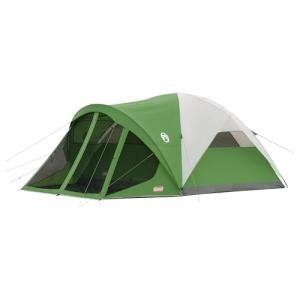
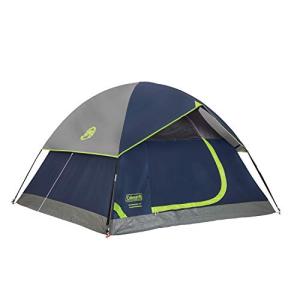
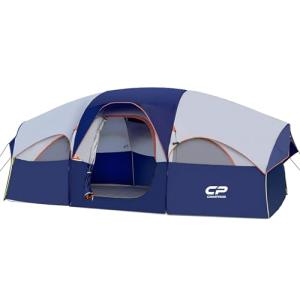
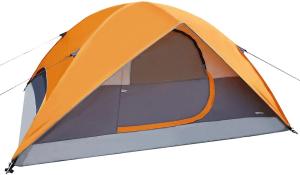
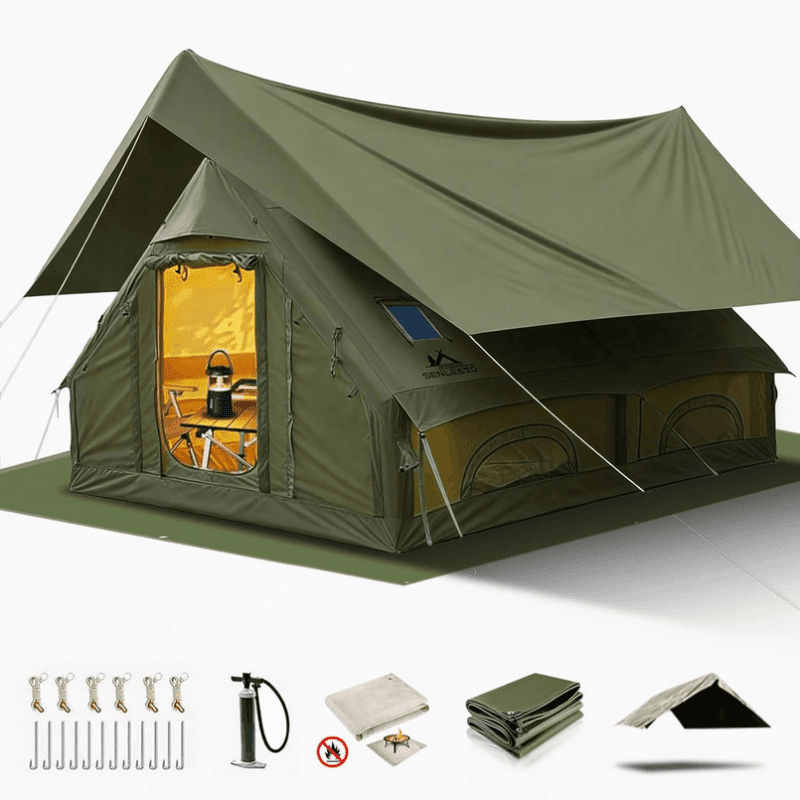
Your tent is arguably the most critical piece of first camping trip gear – it's your shelter, your sleeping space, and your protection from insects and weather. For beginners, selecting the right tent can seem daunting with so many options available.
Why It's Essential
A quality tent provides protection from rain, wind, cold, and insects while giving you a private space to sleep and store your belongings. Without proper shelter, even mild weather conditions can quickly turn an enjoyable camping experience into an uncomfortable one.
What to Look For
- Size: Choose a tent rated for at least one person more than your group (a 3-person tent for 2 people) to ensure comfortable space for sleeping and gear storage
- Weather rating: For beginners, a 3-season tent is versatile enough for spring, summer, and fall camping
- Setup complexity: Look for tents advertised as "quick setup" or "instant" if you're concerned about complicated assembly
- Weight: While car camping allows for heavier tents, aim for something manageable if you'll need to carry it any distance from your vehicle
- Ventilation: Ensure the tent has mesh panels and adequate ventilation to prevent condensation buildup
Practical Tips
Before your trip, practice setting up your tent at home. This familiarizes you with the process and confirms you have all necessary parts. Always bring a ground tarp to place beneath your tent for added protection from moisture and sharp objects. Position your tent on level ground away from dead trees or branches that could fall during wind.
2. Quality Sleeping Bag: The Key to Restful Nights

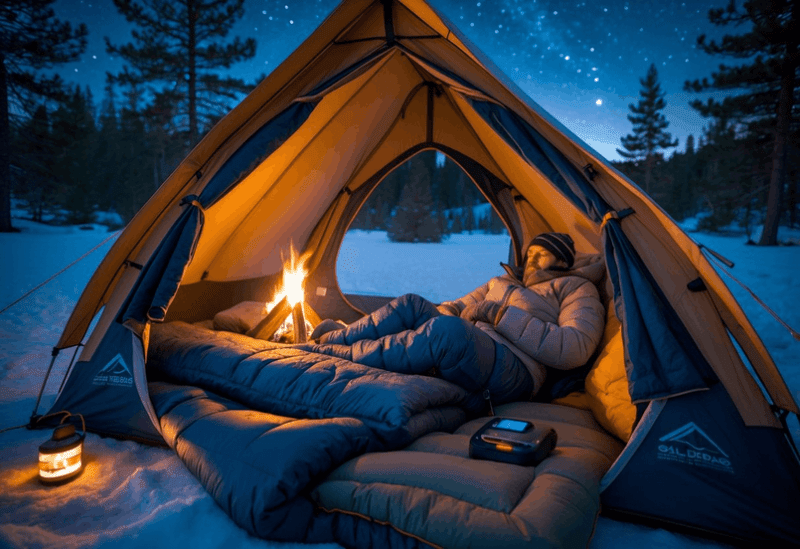
After a day of outdoor activities, a good night's sleep is essential – and that starts with the right sleeping bag. Your sleeping bag is your primary defense against nighttime temperature drops, which can be significant even during summer months.
Why It's Essential
Even in warm climates, nighttime temperatures can drop significantly. A proper sleeping bag insulates your body heat and prevents cold-related discomfort or, in extreme cases, hypothermia. Quality sleep also ensures you're energized for the next day's activities.
What to Look For
- Temperature rating: Choose a sleeping bag rated for temperatures at least 10°F lower than the coldest temperature you expect to encounter
- Insulation type: Synthetic insulation is more affordable and performs better when damp, while down provides better warmth-to-weight ratio but loses insulating properties when wet
- Shape: Mummy bags offer better heat retention but less room to move, while rectangular bags provide more space but less efficiency
- Size: Ensure the bag is long enough for your height – your feet shouldn't press against the end
- Compressibility: Consider how small the bag packs down for transport and storage
Practical Tips
Bring a sleeping bag liner to add warmth and keep your sleeping bag clean. Store your sleeping bag uncompressed when not in use to maintain its loft and insulating properties. If temperatures might drop unexpectedly, pack an emergency blanket as backup insulation.
3. Sleeping Pad: Don't Skip This Comfort Essential

Many first-time campers underestimate the importance of a sleeping pad, assuming the sleeping bag alone provides sufficient cushioning. However, a sleeping pad serves two crucial functions: insulation from the cold ground and cushioning for comfort.
Why It's Essential
The ground can quickly draw heat away from your body through conduction, even through a thick sleeping bag. A sleeping pad creates an insulating barrier between you and the ground, significantly improving warmth. Additionally, the hard, uneven ground can cause discomfort and poor sleep without proper cushioning.
What to Look For
- R-value: This measures insulating power – higher numbers (4-6) for cold weather, lower (1-3) for warm weather camping
- Type: Closed-cell foam pads are inexpensive and durable but bulky; inflatable pads are more comfortable and packable but can puncture
- Thickness: Generally, thicker pads (2+ inches) provide better cushioning, especially for side sleepers
- Size and weight: Consider how you'll transport the pad and ensure it's wide and long enough for your body
- Self-inflating vs. manual: Self-inflating pads offer convenience but may be heavier than manually inflated options
Practical Tips
Clear your tent site of rocks and sticks before setting up to prevent punctures in inflatable pads. Bring a repair kit if using an inflatable pad. For extra comfort, consider a camping pillow or stuff a jacket into a pillowcase rather than using bunched-up clothes.
4. Headlamp or Lantern: Essential Lighting for Camp

When the sun sets at your campsite, adequate lighting becomes crucial for safety, convenience, and enjoyment. Navigating to the bathroom, cooking dinner, or simply reading before bed all require reliable light sources.
Why It's Essential
Darkness at a campsite is often complete, especially in remote areas away from city lights. Without proper lighting, simple tasks become difficult and potentially dangerous. Hands-free options like headlamps are particularly valuable for tasks requiring both hands.
What to Look For
- Brightness: Measured in lumens – 200-300 lumens is sufficient for most camping needs
- Battery life: Look for options with 30+ hours on low setting, and consider rechargeable vs. disposable batteries
- Beam distance and type: Spot beams reach farther, while flood beams illuminate wider areas
- Water resistance: At minimum, choose weather-resistant options (IPX4 rating or higher)
- Red light mode: This preserves night vision and doesn't attract as many insects
Practical Tips
Always pack extra batteries or a charging method for rechargeable lights. Bring multiple light sources – a headlamp for tasks and a lantern for ambient lighting. Position lanterns strategically around camp for overall illumination. Consider solar-powered options if you'll be camping for multiple days.
5. Portable Stove: Hot Meals Make Happy Campers

While the romantic notion of cooking over an open campfire appeals to many, a portable camp stove provides reliability, convenience, and versatility that fire alone cannot match. For first-time campers, a good stove simplifies meal preparation and expands your culinary options.
Why It's Essential
Campfire cooking requires skill and favorable conditions. Fire bans are common in many areas during dry seasons, and wet weather can make fire-starting challenging. A portable stove ensures you can prepare hot meals and beverages regardless of conditions, providing comfort and nutrition when you need it most.
What to Look For
- Fuel type: Propane/butane canister stoves are user-friendly for beginners; liquid fuel stoves perform better in cold weather
- Number of burners: Single burners are lightweight and sufficient for simple meals; two-burner models allow for more complex cooking
- BTU output: Higher BTUs mean faster cooking but more fuel consumption
- Simmer control: Important for cooking more than just boiling water
- Wind resistance: Look for models with windscreens or built-in wind protection
Practical Tips
Always operate stoves on level, stable surfaces away from flammable materials. Bring more fuel than you think you'll need. Pack simple cookware – a pot, pan, and kettle cover most cooking needs. Plan meals in advance to ensure you have appropriate cooking equipment. Never operate stoves inside tents due to fire and carbon monoxide risks.
Ready to Start Planning Your First Camping Adventure?
We've covered the first five essential items for your camping trip. Get our complete printable checklist to ensure you don't forget anything important!
Download Your Free Camping Checklist6. Water System: Stay Hydrated Safely

Access to clean drinking water is non-negotiable for any camping trip. Whether you're at a developed campground with potable water or in a more remote location, having a system for water storage and purification ensures you stay safely hydrated.
Why It's Essential
Dehydration can quickly ruin a camping trip and pose serious health risks. Even if your campsite has water available, service interruptions can occur. Natural water sources like lakes and streams typically contain pathogens that can cause illness if consumed untreated.
What to Look For
- Water containers: Durable jugs for storage at camp (2+ gallons per person per day)
- Personal water bottles: Insulated bottles keep drinks cold or hot longer
- Filtration/purification: Options include pump filters, gravity filters, UV purifiers, or chemical treatments
- Filter pore size: 0.2 microns or smaller removes most bacteria and protozoa
- Treatment capacity: Consider how many liters the system can treat before requiring replacement parts
Practical Tips
Research water availability at your campsite before departing. If potable water is available, still bring containers for storage at your site. For natural water sources, understand the difference between filtration (removes particles and most pathogens) and purification (kills viruses too). Always treat water from natural sources, even if they look clean. Keep water containers in shade to prevent algae growth.
7. First Aid Kit: Be Prepared for the Unexpected

Even with careful planning, minor injuries and ailments can occur during camping trips. A well-stocked first aid kit allows you to address these issues promptly and effectively, preventing small problems from becoming major ones.
Why It's Essential
When camping, you're often far from immediate medical assistance. The ability to treat common injuries and ailments yourself can make the difference between continuing your trip comfortably and having to cut it short. Additionally, outdoor activities increase the risk of specific injuries like cuts, sprains, and insect bites.
What to Look For
- Wound care: Adhesive bandages in various sizes, gauze pads, medical tape, antiseptic wipes
- Medications: Pain relievers, antihistamines, anti-diarrheal medication, antacids
- Tools: Tweezers (for splinters or ticks), scissors, safety pins
- Emergency items: Emergency blanket, whistle, small flashlight
- Specialty items: Moleskin for blisters, insect sting relief, sunburn relief
Practical Tips
Customize your first aid kit based on your specific needs and any pre-existing medical conditions. Store medications in waterproof containers and check expiration dates before each trip. Familiarize yourself with the contents of your kit before departing. Consider taking a basic first aid course to learn proper treatment techniques. Keep your kit easily accessible, not buried at the bottom of a pack.
8. Appropriate Clothing: Layering for Comfort in Changing Conditions

Outdoor conditions can change rapidly, with significant temperature fluctuations between day and night or sudden weather shifts. Proper clothing selection and layering strategies help you stay comfortable regardless of conditions.
Why It's Essential
Inappropriate clothing can lead to discomfort at best and dangerous situations like hypothermia or heat exhaustion at worst. The ability to add or remove layers allows you to regulate your body temperature efficiently as conditions change throughout your camping trip.
What to Look For
- Base layers: Moisture-wicking materials like polyester or merino wool (avoid cotton as it retains moisture)
- Mid layers: Insulating materials like fleece or down for warmth
- Outer layers: Waterproof and windproof shells for weather protection
- Footwear: Sturdy, water-resistant hiking boots or shoes with good traction
- Accessories: Hat with brim for sun protection, warm beanie for cold, gloves, extra socks
Practical Tips
Check weather forecasts but prepare for conditions 10-15°F colder and wetter than predicted. Pack at least one complete change of clothes in case you get wet. Bring extra socks – wet feet can cause blisters and discomfort. Consider separate sleeping clothes to keep your sleeping bag clean. Remember that temperatures can drop significantly at night, even in summer, so always pack a warm layer.
9. Multipurpose Tool: Your Campsite Problem Solver

From preparing food to making emergency repairs, a quality multipurpose tool or knife serves countless functions at the campsite. This versatile item often becomes one of the most frequently used pieces of equipment during a camping trip.
Why It's Essential
Camping often presents unexpected challenges that require tools to solve – from cutting rope and opening food packages to repairing gear or whittling kindling. A good multipurpose tool combines several functions in one compact package, reducing the number of individual tools you need to pack.
What to Look For
- Quality construction: Durable materials that can withstand outdoor use
- Essential functions: Knife blade, scissors, can opener, screwdrivers
- Additional useful tools: Pliers, saw, bottle opener, tweezers
- Size and weight: Balance functionality with portability
- Locking mechanisms: Ensure blades lock securely for safety
Practical Tips
Keep your multipurpose tool easily accessible rather than packed away. Clean and dry it after use to prevent rust and maintain functionality. Learn how to use all the features before your trip. Consider local regulations – some parks have restrictions on blade length. For family camping, ensure tools are stored safely away from young children when not in use.
10. Proper Food Storage: Protect Your Provisions (and Wildlife)

Proper food storage serves two crucial purposes: keeping your food safe and edible throughout your trip, and protecting local wildlife by preventing them from accessing human food, which can alter their natural behaviors and create dangerous situations.
Why It's Essential
Food attracts wildlife from tiny insects to large predators like bears. When animals access human food, they can become habituated to human presence and food sources, leading to dangerous encounters and often resulting in the animal being euthanized. Additionally, proper storage keeps your food fresh and prevents contamination that could cause foodborne illness.
What to Look For
- Coolers: Durable, well-insulated models that maintain ice for multiple days
- Dry food storage: Sealed containers that prevent odor escape and moisture entry
- Animal-resistant containers: Bear canisters or bags where required by regulations
- Organization system: Way to separate raw and cooked foods to prevent cross-contamination
- Hanging system: Rope and stuff sacks for hanging food in trees where appropriate
Practical Tips
Research the wildlife concerns specific to your camping area – different regions have different requirements. In bear country, never store food in your tent or immediate campsite area. Use designated food storage lockers if provided at campgrounds. Pre-chill your cooler before packing it with food. Use block ice rather than cubed ice for longer cooling. Store scented items like toothpaste and soap with your food, as these also attract wildlife.
Ready for Your First Camping Adventure
With these ten essential items packed and prepared, you're well-equipped for a successful first camping trip. Remember that camping, like any skill, improves with experience. You might forget something or wish you'd packed differently – that's part of the learning process and provides valuable knowledge for your next adventure.
The beauty of camping lies in the connection with nature, the break from everyday routines, and the self-sufficiency that comes from carrying what you need. Start with these essentials, but don't let perfectionism prevent you from getting outdoors. Some of the best camping memories come from adapting to unexpected situations and discovering the simplicity of life outside.
As you gain experience, you'll refine your personal camping style and gear preferences. For now, focus on safety, basic comfort, and enjoying the experience. The wilderness awaits – and you're now prepared to meet it!
Take the First Step Toward Your Outdoor Adventure!
Now that you know the essential items for your first camping trip, it's time to start planning. Download our comprehensive checklist to ensure you're fully prepared for an amazing experience in nature.
Get Your Complete Camping Checklist