RV Camping for Beginners: What You Need to Know Before Your First Trip

There's something special about hitting the open road with no schedule. I love waking up in a new place every morning. At the same time, I keep the comforts of home close.
Choosing a motorized home means no hotel stress. It lets you enjoy true mobility.
This rv camping guide is for anyone starting out. I aim to make planning your trip fun and easy. With these steps, rv camping for beginners is a breeze to get into.
Key Takeaways
- Experience the ultimate freedom of mobile travel across the country.
- Bring the essential comforts of home directly into the wilderness.
- Eliminate the common stressors associated with traditional hotel stays.
- Follow a structured path to ensure a smooth and enjoyable initial outing.
- Gain the confidence required to manage your vehicle like a pro.
Getting Started with RV Camping for Beginners: What You Need to Know Before Your First Trip
Starting your first RV trip is a great way to see the country. It keeps your home comforts close. Many find rv camping for beginners perfect between tent camping and hotels. It lets you wake up in new places every day, keeping your favorite things with you.
Understanding the RV Lifestyle
The RV lifestyle is all about freedom and flexibility. You don't have to stick to a tight schedule. You can change plans easily if you find a beautiful spot.
Switching from a car to an RV might seem scary at first. But, it's easy once you get used to it. My top rv camping tips are to take it slow and practice in an empty lot before driving.
Setting Realistic Expectations for Your First Trip
Remember, your first trip won't be perfect. You might face some hiccups, like hookups or wrong turns. But, patience and a positive attitude are key.
Approach rv camping for first-timers with humor. Every challenge becomes a funny story. Don't expect to be an expert right away. Keep your expectations low for a joyful experience.
For more rv camping tips, preparation is crucial. Learn your RV's size and check your route before you go. Enjoy learning, and soon, the road will feel like home.
Choosing the Right RV for Your First Adventure

Choosing an RV is a big decision that shapes your entire vacation experience. Understanding which vehicle matches your comfort level and driving ability is key. Look at the different classes to see what feels right for your travel goals.
Comparing Rental Options: Class A, Class C, and Travel Trailers
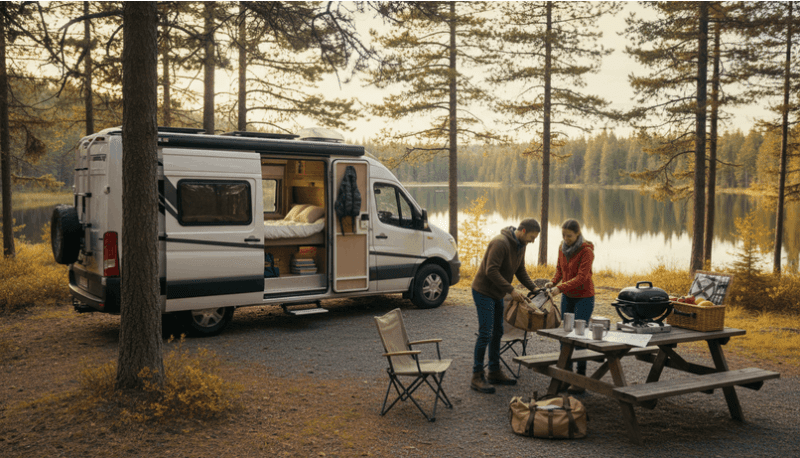
When you start your search, you'll notice three main categories. Class A motorhomes are the largest, offering a luxurious experience with plenty of living space. Class C models are easier to drive because they're built on a truck chassis, making them popular for families.
Travel trailers offer flexibility since you can unhook them at the campsite. This lets you use your tow vehicle for local errands without moving your entire home. Here's a quick breakdown to help you weigh your options:
| RV Type | Best For | Driving Difficulty | Space |
|---|---|---|---|
| Class A | Large Families | High | Very Spacious |
| Class C | Beginners | Moderate | Comfortable |
| Travel Trailer | Extended Stays | Moderate | Variable |
Why Renting Before Buying is the Smartest Move
Renting is the best way to test the waters before making a big financial commitment. You might think you want a giant rig, but a smaller trailer might suit your needs better after a few days on the road. This is crucial rv camping advice for newcomers.
Platforms like RVshare make renting simple by connecting you with local owners. You can browse a wide variety of rigs to find one that fits your budget and style perfectly. Testing the lifestyle this way ensures your first trip is joyful, not regretful.
Essential Gear and Packing Lists for New Campers

My first RV trip taught me the importance of being prepared. The right rv camping essentials make your journey smooth. A well-organized approach simplifies the process.
Must-Have Kitchen and Living Supplies
Begin your rv camping checklist with the kitchen. Choose lightweight, stackable dishes that won't shake while driving. Keep a set of pots and pans in the RV to avoid packing from home.
Don't forget the bathroom. Use RV-specific toilet paper to avoid clogs. Standard toilet paper can cause costly plumbing issues.
Technical Equipment for Hookups and Maintenance
Good rv camping gear is crucial for a successful trip. Be ready for different hookups to ensure your utilities work right. These items keep your RV in top shape.
Water Hoses and Power Adapters
Carry a white, food-grade drinking water hose. Avoid using garden hoses, as they can taste bad. Also, have a 30-to-50 amp power adapter for various electrical pedestals.
Leveling Blocks and Chocks
Leveling blocks are essential for parking on uneven ground. They help your fridge run well and improve sleep. Use sturdy wheel chocks to keep your RV stable once parked.
"The secret to a great adventure is not in how much you pack, but in how well you prepare for the unexpected."
Personal Items and Comfort Essentials
Remember the personal touches that make your RV feel like home. Bring comfortable outdoor chairs and a portable rug for a cozy patio. LED lanterns or string lights add to the evening ambiance.
Choose easy-to-wash bedding for RV beds. Standard sheets might not fit. Invest in fitted sheets made for RV mattresses to avoid hassle.
Planning Your Route and Booking Campsites
Planning your route is key to a stress-free trip. Driving an RV is different from a car. You need to follow rv camping guidelines to avoid trouble.
Using Apps to Find the Best RV Parks
Technology helps a lot when you're on the road. Apps like RV Life and Campendium are great for planning. They help you find parks that fit your RV.
These apps also show reviews and photos. This helps you pick a safe and clean park.
Understanding Campsite Hookups: Full vs. Partial
Knowing what your campsite offers is important. Campsites have different levels of hookups. This helps you pack the right things.
- Full Hookups: These sites have water, electricity, and sewer right at your spot.
- Partial Hookups: You get electricity and water, but you'll need to use a dump station for waste.
- Primitive/Dry Camping: These sites have no utilities. You must use your RV's water and battery.
Tips for Booking During Peak Season
Book early if you're traveling in summer or during holidays. Popular spots fill up fast. Securing your reservation early means you won't be left without a place to stay.
If your first choice is full, be flexible with dates. Or look for private campgrounds nearby. Sometimes, a quieter spot is just a few miles away.
Mastering RV Safety and Campground Etiquette

Safety and respect are key for a great camping trip. Driving an RV is different from a car. Follow these rv camping tips to feel confident and be a good guest at any campsite.
Driving and Parking Your RV Safely
Driving a big RV means you need to watch your surroundings closely. Always take wide turns to avoid hitting curbs or obstacles. Your side mirrors are your best friends for checking blind spots.
For parking, having a spotter is a good idea. They can help you avoid damaging your RV or the campsite. These rv camping safety tips help you arrive without stress.
Following the Unwritten Rules of the Campground
The RV community values respect and shared space. Quiet hours, from 10:00 PM to 7:00 AM, are important. Keeping noise down lets everyone enjoy the outdoors.
Also, keep your campsite clean. Don't leave trash or food out, as it attracts wildlife. Leaving your site clean shows you're a thoughtful camper.
Managing Waste and Dumping Tanks Responsibly
Dealing with your RV's waste is part of the RV life. You have a black tank for toilet waste and a gray tank for sink and shower water. Always use a dedicated sewer hose and wear gloves to maintain proper hygiene.
First, dump the black tank, then the gray tank. This keeps your system smelling good. Being careful with your tanks helps the environment and keeps campsites clean for others.
Conclusion
RV travel offers a unique freedom that's hard to find elsewhere. Getting ready for your first trip might seem overwhelming. But, the joy starts when you arrive at your first campsite.
Learning to manage hookups or park your RV can be a challenge. Yet, these moments become the best stories to share around the campfire. Everyone who's been on the road started with the same nervous feelings you have now.
Enjoy the journey of discovery more than aiming for perfection. Pack your essentials, plan your route, and love the freedom of life on wheels. The road is full of surprises waiting for you.
I'm excited to hear about your first trip plans. Tell me about your dream destination or the RV you want to rent. Your stories will inspire others to start their own adventures.
FAQ
Is driving a motorhome difficult for a first-timer?
Should I buy an RV immediately or rent one first?
Do I really need special toilet paper for my RV bathroom?
What is the difference between full and partial hookups at a campsite?
Can I use a regular smartphone GPS to navigate my route?
What should be on my must-have packing list for my first trip?
What are the most important safety rules for new RVers?
How do I handle my waste tanks without making a mess?
How can I be a respectful member of the RV community?
What is the best way to find a campsite during peak season?
DISCLAIMER
This document is provided for general information purposes only and should not be relied upon as providing legal advice, technical, or specific operational guidance to the reader, whether as to the practices described in the document or the applicable legal requirements and regulations. bestcampingdeals.com expressly disclaims any responsibility for liability arising from or related to the use or misuse of any information in this document.