Camping in the Wind: Tent Setup Made Easier

I love exploring nature, but strong winds can ruin my day. When I plan outdoor activities, I know the weather can change fast. Learning to set up a tent in the wind takes patience and skill.
Being prepared is key to fighting off harsh weather. I practice setting up my tent at home before going camping. This habit makes setting up camp easy and stress-free.
Good camping tips help me keep my gear safe from the wind. I make sure to place guy lines right to keep my tent stable. These steps are crucial for my safety and comfort on every trip.
Preparation and Site Selection
Camping in the wind needs more than just a good tent. You must prepare well and choose the right campsite. Before setting up your wind resistant tent, pick a spot that shields you from the wind.
Korrin Bishop says picking the right spot is key in windy weather. Look for natural barriers like big rocks or strong trees and bushes. Adventure.com advises to avoid valleys and hilltops that get hit hard by wind.
Scouting for Natural Windbreaks
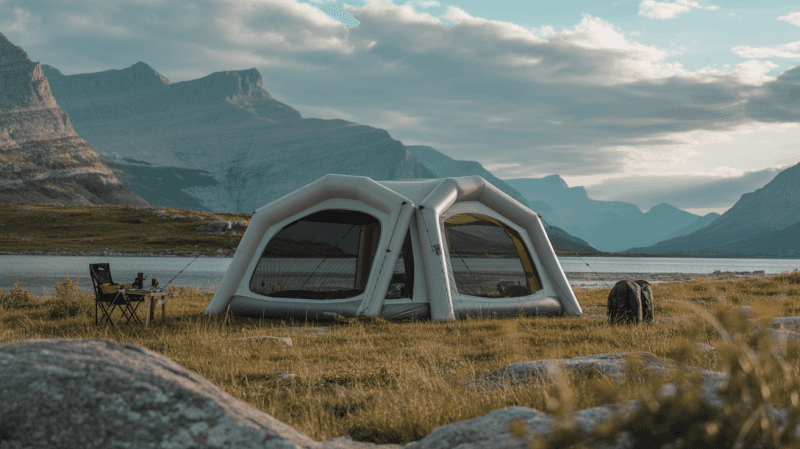
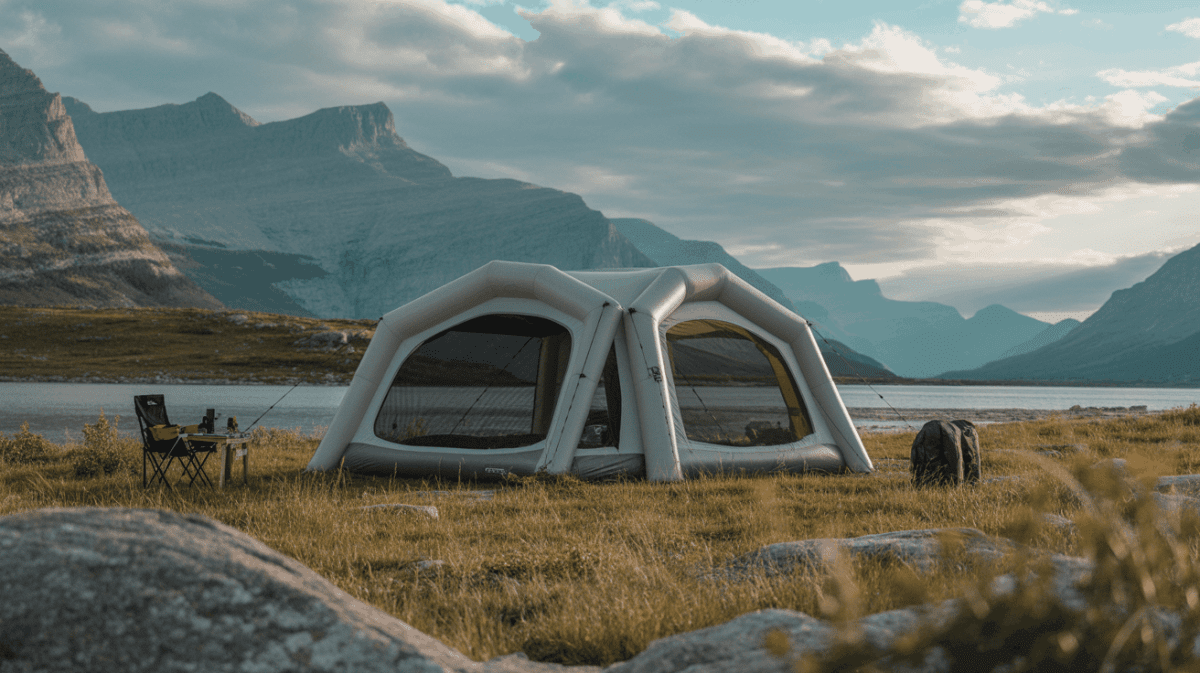
Looking for natural windbreaks can help a lot. When searching for a site, find ridges, stands of trees, or big boulders. These can block the wind from reaching your tent. They are part of the best camping shelter solutions for windy days.
Orienting Your Tent Against the Gusts
Also, make sure your tent faces the wind with its smallest side. This reduces its chance of being damaged or lifted. Adventure.com says how you orient your tent is very important. Using the right camping gear and camping essentials means setting it up right.
By choosing the right campsite and setting up your tent correctly, you can enjoy camping even when it's windy.
Essential Gear for Windy Conditions
Camping in windy weather requires the right gear. The right equipment keeps you safe and comfortable. It's all about choosing the right stuff.
Choosing the Right Tent Design
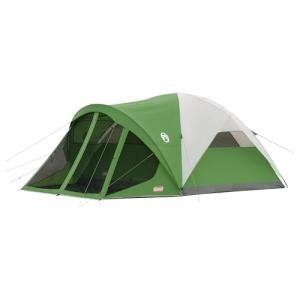
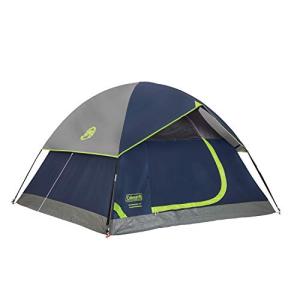
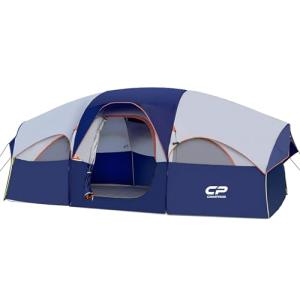
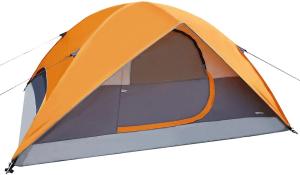
The design of your tent is key in windy weather. Geodesic or dome-shaped tents are best because they let wind slide over them. Cabin-style tents, with their flat surfaces, are more likely to get damaged by wind.
Look for a wind-resistant tent with a double-wall design and full fly. This setup adds extra protection and spreads wind force evenly.
Upgrading Your Stakes and Guy Lines
Sturdy stakes and guy lines are also essential for windy weather. Standard stakes often can't hold up, losing their grip in loose soil or sand.
Why Standard Stakes Often Fail
Standard stakes are made for regular camping, not windy weather. They can easily get pulled out, making your tent unstable.
Benefits of Sandbags and Heavy-Duty Anchors
For better anchorage, switch to longer, heavier-duty stakes like 12" aluminum Y-stakes. They grip better in different soils. Sandbags or rocks can also make your tent more stable.
- Use durable, non-stretch guy lines made from materials like paracord.
- Opt for sandbags or heavy-duty anchors for added stability.
- Ensure your tent is designed for windy conditions, such as a geodesic or dome-shaped model.
Investing in the right gear and knowing how to use it makes camping in windy weather better.
Camping in the Wind: Tent Setup Made Easier
Camping in the wind needs a smart tent setup to stay stable and strong. Getting your tent right is key to handle strong winds and keep your camp comfy.
Laying Out the Footprint
Start by laying out the footprint. It makes a clear spot for your tent and keeps moisture out. Make sure the footprint is properly aligned with the wind direction to lessen wind impact.
Dan Durston of Durston Gear says to practice setting up your tent at home before you go. This helps you know how your tent handles wind and makes setting it up easier.
Securing the Windward Side First
Securing the windward side of your tent first is key. It stops the tent from being blown away or bent by strong winds. Use sturdy stakes and guy lines to keep this side firmly on the ground.
- Choose stakes made for windy weather.
- Make sure guy lines are tight and well-attached to the tent and ground.
- Consider using Dyneema core cord for guy lines to reduce stretch.
Step Three: Raising the Poles with Assistance
Raising the poles in strong winds can be tough. Having help is very useful as it helps stabilize the tent structure while you put the poles in place.
For tents like the X-Mid, swapping the shockcord at stake points with static cord can make it more stable. This change reduces the stretch that can make pole setup harder in windy weather.
Tensioning the Rainfly Properly
Lastly, making sure the rainfly is tight is key to stopping it from flapping and tearing. A tight rainfly also makes the tent more stable by cutting down wind resistance.
- Adjust the rainfly to make sure it's tightly over the tent.
- Use guy lines to tighten the rainfly and stop it from sagging.
- Make sure all connections between the rainfly and the tent are secure.
By following these steps and using the right gear, you can have a safe and comfy campout even in windy weather. Practicing at home and using expert tips can really help.
Advanced Anchoring Techniques

A well-anchored tent is key to fighting off the elements in windy areas. Advanced anchoring methods make your tent more stable and secure. This leads to a safer and more comfortable camping trip.
Stakes and guy lines alone might not be enough, even in loose soil or strong winds. That's when advanced techniques come in. They offer extra security and peace of mind.
Creating Deadman Anchors in Loose Soil
Creating deadman anchors is a great way to anchor your tent in loose soil. You bury a heavy object, like an anchor or a large stick, at an angle. Then, you attach a line from the anchor to your tent. This buried object acts as a counterweight, fighting the wind.
To make a deadman anchor, dig a trench at a 45-degree angle to your tent. Place the anchor in it and cover it with soil. Make sure it's buried deep enough. Then, attach a guy line from the anchor to your tent, keeping it tight and secure.
Utilizing Rocks and Logs for Extra Stability
Using rocks and logs can also help your tent stay stable. If you're in an area with lots of rocks or logs, you can use them. Attach guy lines to them for extra stability and to protect your tent from strong winds.
To use rocks or logs, wrap a guy line around the object and make sure it's secure. Then, attach the other end to your tent. Choose an object big enough to offer enough resistance and keep the guy line tight.
Doubling Up on Guy Lines
Doubling up on guy lines, on the windward side of your tent, is another good idea. It spreads the wind's force across multiple lines. This reduces the pressure on any one point, lowering the risk of damage or collapse.
To double up on guy lines, attach an extra line to the same spot on your tent. Secure it to a different anchor point. This is very helpful in extreme winds, adding an extra layer of security to your tent.
Managing Tent Ventilation and Airflow
Effective tent ventilation is key for campers to manage moisture and airflow in windy weather. It's not just about keeping the tent stable; it's also about keeping it comfortable inside. Good ventilation reduces moisture, making camping more comfortable and protecting gear.
Preventing Condensation Without Sacrificing Stability
Camping in windy weather can be tough. It's hard to stop moisture inside the tent without making it unstable. Korrin Bishop advises keeping guy lines tight but not too tight. This balance is important to prevent damage to the tent's fabric and poles.
To find this balance, campers should adjust guy lines to keep the tent's shape but flexible. This flexibility is key for handling sudden wind gusts. Also, having mesh panels and adjustable vents helps a lot in reducing moisture.
Adjusting Vents to Minimize Wind Buffeting
Adjusting tent vents in windy weather is a delicate task. The goal is to reduce wind buffeting while keeping air flowing. Buffeting can cause noise and discomfort, and even destabilize the tent. To lessen this, campers should adjust vents based on wind direction.
If the wind is coming from the side, close vents on the windward side and keep the leeward side vents open. This setup helps in reducing buffeting. It's about finding the right balance for a comfortable and stable camping experience.
By following these tips, campers can have a drier and more comfortable camping experience even in windy weather. It's all about finding the right balance between stability and ventilation.
Troubleshooting Common Wind-Related Issues

Dealing with wind-related problems is key to keeping your tent safe and sound. Even with careful planning, wind can still cause issues. Knowing how to fix these problems is very important.
Fixing Collapsed Poles During a Storm
When poles collapse in a storm, it's a big problem. You might need to replace them or use a temporary fix. First, check the damage and find out why it happened.
Using camping gear tips like securing guy lines can help. If you don't have a spare, use trekking poles or other strong objects to hold the tent up.
Dealing with Flapping Fabric Noise
Flapping fabric is not only annoying but can also damage your tent. Check the guy lines and tighten them if needed. Also, make sure the rainfly is securely attached to the tent.
Adjusting how you pitch your tent can help. Use more guy lines and secure the rainfly better. If the noise doesn't stop, try moving your tent to a less windy spot.
Repairing Torn Guy-Out Points
Torn guy-out points can weaken your tent. You'll need a repair kit with fabric patches and adhesive. Clean the area around the tear and apply the patch as the maker says.
If the tear is big or you're not sure how to fix it, get help from a pro. Regular checks and maintenance can also prevent these problems.
Safety Precautions for High-Wind Camping
High-wind camping requires knowing how to stay safe. It can be tough, but being ready is key. Before I go camping in windy areas, I think a lot about safety.
It's vital to understand the dangers of camping in high winds. Adventure.com says to have a plan if winds get too strong. This shows how important it is to be ready for bad weather.
Knowing When to Abandon the Site
Knowing when to leave is a big safety rule. If the weather is too rough, it's safer to wait or find another place. Your safety is more important than your camping plans.
Experienced campers say, "If you're not sure you can handle it, leave." This thinking can save you from trouble.
Monitoring Weather Forecasts and Wind Speeds
Keeping an eye on the weather and wind speeds helps you prepare. By staying updated, you can make smart choices and stay safe.
Experts say checking the weather forecast often is key for windy camping.
"The key to safe high-wind camping is being prepared and knowing when to call it quits," says a seasoned camper.
I always watch the weather and wind speed. This helps me plan and take steps to keep my tent secure, like using extra stakes and guy lines, as shown in
- Check the weather forecast regularly
- Understand wind speed predictions
- Be prepared to abandon the site if necessary
Conclusion
Camping in windy conditions needs careful planning and the right gear. By using the camping hacks and outdoor tent setup tips from this article, you can make your camping better. It's important to pick wind-resistant tents and camping gear for strong winds for a safe and fun trip.
When setting up your tent, make sure to secure it well using advanced anchoring techniques. Also, manage tent ventilation to avoid condensation. Being ready for wind-related issues and knowing when to leave can keep you safe.
With the right gear and approach, you can still enjoy nature's beauty even on windy days. Always check the weather forecast and wind speeds before planning your camping trip.
FAQ
Q: What are the best camping gear tips for surviving high winds?
Q: Are there any specific camping hacks for setting up in a gale?
Q: Why is a tent setup guide focused on the windward side so important?
Q: What should I look for in camping equipment for strong winds?
Q: How do these camping tips help with overall outdoor activities?
Q: Can you recommend any camping shelter solutions for very sandy areas?
DISCLAIMER
This document is provided for general information purposes only and should not be relied upon as providing legal advice, technical, or specific operational guidance to the reader, whether as to the practices described in the document or the applicable legal requirements and regulations. bestcampingdeals.com expressly disclaims any responsibility for liability arising from or related to the use or misuse of any information in this document.