The Dos and Don’ts of Campfire Safety

Enjoying a campfire is a wonderful part of camping. It brings warmth, light, and a sense of togetherness. But, it's important to remember that having a campfire is a big responsibility.
Irresponsible campfire behavior can lead to devastating wildfires. These fires can harm people, animals, and the environment. In the United States, nearly nine out of 10 wildfires start from human actions. Knowing campfire safety tips and fire safety precautions is key to staying safe outdoors.
Key Takeaways
- Understand local fire safety regulations
- Choose a safe location for your campfire
- Monitor weather conditions
- Keep a fire extinguisher nearby
- Fully extinguish your campfire before leaving it unattended
Understanding the Importance of Campfire Safety
Knowing how to keep campfires safe is key for a good camping trip. Campfires are loved by many, but they can be dangerous if not handled right. It's important to know the risks and take steps to stay safe.
The Potential Dangers of Uncontrolled Fires
Uncontrolled campfires can start big wildfires. These fires can harm the environment and threaten lives. It's vital to watch the area and stop the fire from spreading. Always have water or a fire extinguisher ready and keep the fire in a fire ring or pit.
Statistics on Campfire-Related Accidents in the US
Campfire accidents are more common than you might think. Dr. Anjay Khandelwal, director of Akron Children's Adult and Pediatric Burn Institute, says "Campfires are a leading cause of camping injuries." The numbers show we need to be careful and follow campfire safety guidelines. Here are some campfire accident statistics:
| Type of Accident | Number of Incidents | Percentage of Total |
|---|---|---|
| Burns from campfires | 450 | 30% |
| Wildfires caused by unattended campfires | 200 | 20% |
| Other campfire-related injuries | 350 | 50% |
By understanding these numbers and taking action, we can lower the risks of campfires.
Preparing for a Safe Campfire Experience
Preparing for a campfire is more than just collecting wood. It's about careful planning and following safety rules. When I plan to have a campfire, I think about several things to make sure it's safe and fun.
Checking Local Regulations and Obtaining Permits
Before starting a campfire, I check local fire rules and get any needed permits. This is important because fire laws change by location. Following these rules helps avoid fines and keeps everyone safe. I visit the campground's website or call their office to learn the specific rules.
Choosing the Right Location
Finding the right spot for a campfire is key to safety. I look for a place away from trees, tents, and things that can catch fire. It's best to use a fire pit or ring, as they keep the fire in. In the wild, I pick a spot with little grass and no branches overhead.
Gathering Proper Materials and Tools
Getting the right stuff is another important step. I make sure to have dry, seasoned wood, kindling, and tinder to start the fire. I also have water and a shovel ready to put out the fire when it's done. Using local wood helps prevent the spread of bugs and diseases.
Weather Considerations Before Starting a Fire
Weather is a big deal for campfire safety. I check the weather forecast before starting a fire. I don't start a fire in strong winds or when it's very dry. Winds can spread sparks, and dry conditions make fires spread fast.
By taking these steps, I can make campfires safer and enjoy the outdoors more.
The Dos and Don'ts of Campfire Safety

When we head outdoors, it's key to know the dos and don'ts for campfire safety. Campfires are loved for their warmth, light, and cooking. But, they can be dangerous if not managed right.
Essential Dos for Campfire Safety
To have a safe and fun campfire, follow some important steps. Build a proper fire pit, keep the fire small, and have water and a shovel ready.
Building a Proper Fire Pit
Start with a proper fire pit. Clear a circle of three feet around the fire of leaves and branches. Use the fire pit at campsites or make one with rocks if there isn't one.
Maintaining a Manageable Fire Size
Keep the fire small. A small fire is safer and easier to control. It also helps prevent fires from spreading and makes it simple to put out when you leave.
Keeping Water and a Shovel Nearby
Always have water and a shovel near the fire. This lets you quickly put out the fire if it gets too big or when you're leaving.
Supervising Children and Pets
Watch children and pets near the fire. Teach kids about fire dangers and keep them away from the flames.
Storing Flammable Items Away from Fire
Keep flammable items like fuel and matches away from the fire. This lowers the chance of accidental fires.
| Campfire Safety Dos | Description |
|---|---|
| Build a proper fire pit | Clear a circular area and use rocks to contain the fire. |
| Maintain a manageable fire size | Keep the fire small to reduce risks and make it easier to control. |
| Keep water and a shovel nearby | Have the means to extinguish the fire quickly if needed. |
Critical Don'ts for Campfire Safety
Knowing what not to do is just as important as knowing what to do for campfire safety. There are several don'ts to remember.
Never Leaving a Fire Unattended
Never leave a campfire alone. Make sure someone is always there to watch the fire and act if needed.
Avoiding Accelerants and Dangerous Materials
Don't use gasoline, lighter fluid, or other dangerous items to start or add to a fire. They can cause explosions and are very dangerous.
"A campfire is not just a source of warmth; it's a responsibility. Treat it with respect, and it will reward you with a safe and enjoyable experience." - Outdoor Safety Expert
Not Building Fires During High-Risk Conditions
Avoid starting fires in dry or windy weather. These conditions can make fires spread quickly.
Avoiding Horseplay Around the Campfire
Playing too close to the fire can be dangerous. Make sure everyone is careful and aware of the risks.
Never Burying Coals or Burning Trash
Don't bury hot coals as they can start underground fires. Also, don't burn trash as it can release harmful fumes and is often against the rules.
| Campfire Safety Don'ts | Description |
|---|---|
| Never leave a fire unattended | Always have someone monitoring the campfire. |
| Avoid accelerants | Never use flammable liquids to start or accelerate a campfire. |
| Avoid high-risk conditions | Don't build fires during dry or windy conditions. |
By following these dos and don'ts, you can greatly reduce the risk of accidents. This ensures a safe and fun outdoor experience for everyone.
Properly Extinguishing Your Campfire

When it's time to leave your campsite, make sure your campfire is out. This is key for safety and the environment. I always follow the best campfire safety practices to avoid hazards.
Extinguishing a campfire is more than just using water. It's a detailed process. The importance of campfire safety is huge, and putting out your fire right is a big part of it.
Step-by-Step Fire Extinguishing Process
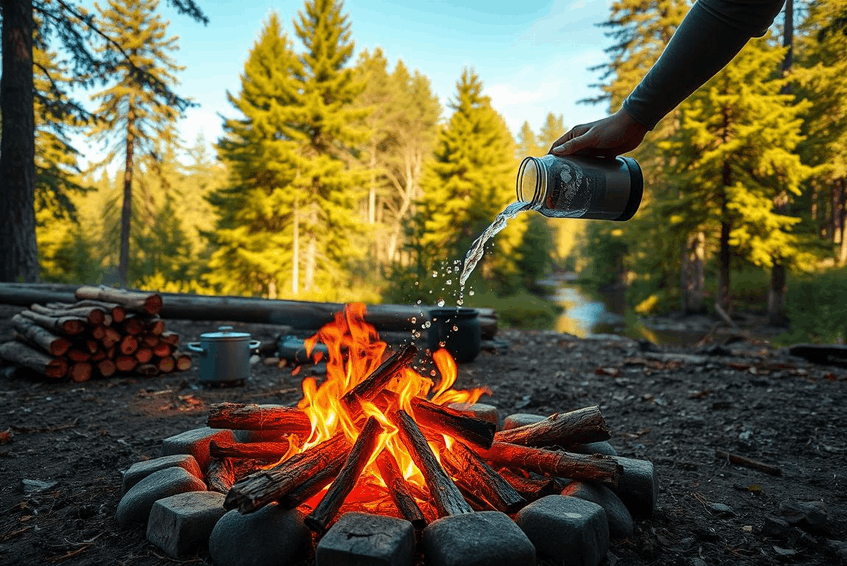
To safely put out your campfire, start by dumping water on it. Then, stir the ashes with a shovel to make sure all embers are gone. After that, add more water to cool it down completely. This advice is key to preventing forest fires and keeping your camping trip safe.
Verifying Your Fire is Completely Out
After following the steps, make sure your fire is really out. Check the ashes and embers by feeling them with your hand. If they're still warm, keep dousing them with water and stirring until they're cool. Never leave a campfire alone, even if you think it's out.
Common Mistakes When Putting Out a Campfire
Many campers don't use enough water to put out the fire. Another mistake is not stirring the ashes well enough, leaving smoldering embers. Knowing these common mistakes helps you avoid them and have a safe camping trip.
What to Do in Case of Emergency
If your campfire gets out of control, have a plan ready. Keep water and a fire extinguisher nearby. Also, know how to call local emergency services. Being prepared and following campfire safety best practices helps you avoid accidents and enjoy your camping trip.
Conclusion
When we're outdoors, keeping campfires safe is everyone's job. By sticking to the campfire safety rules we've talked about, we can avoid accidents. This way, we can all have a great time camping.
Before starting a campfire, make sure you know the local rules. Pick a safe spot and have all the right stuff ready. Remember, building a fire safely means keeping an extinguisher close and watching the wind.
Putting out your campfire right is as key as starting it. Follow the steps to make sure it's fully out. This helps prevent forest fires and keeps nature beautiful for everyone. Let's make sure to enjoy campfires safely and protect nature for the future.
FAQ
Q: What are the most common causes of campfire-related accidents?
A: Campfire accidents often happen because of unattended fires. They also occur when fires aren't properly put out. Using things like gasoline to start fires is another big mistake.
Q: How can I check if campfires are allowed in the area I'm camping in?
A: To see if campfires are okay, I check the local park or forest service's website. Or, I call their office to ask about fire rules.
Q: What should I do if my campfire gets out of control?
A: If my campfire gets too big, I stay calm. I call for help if I need to. Then, I use dirt or a fire extinguisher to control it.
Q: How do I properly extinguish a campfire?
A: To put out a campfire right, I first use water to douse the flames. Then, I stir the ashes to make sure everything is out. Lastly, I check to make sure the fire is really gone.
Q: What are some essential items to have nearby when having a campfire?
A: When having a campfire, I keep a bucket of water, a fire extinguisher, and a shovel ready. These help if the fire gets too big.
Q: Can I leave my campfire unattended if it's burning well?
A: No, I should never leave a campfire alone, even if it's burning well. It can quickly spread and cause a wildfire or other dangers.
Q: How can I minimize the risk of a campfire starting a wildfire?
A: To avoid starting a wildfire, I pick a safe spot for my campfire. I follow local fire rules. And, I make sure to fully extinguish the fire when I'm done.
Q: What are some common mistakes people make when putting out a campfire?
A: People often make mistakes when putting out a campfire. They might not use enough water or stir the ashes. Or, they don't check to make sure the fire is really out.
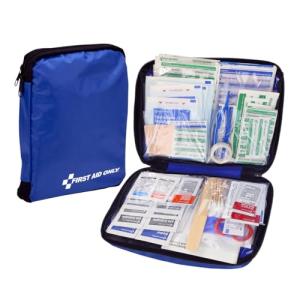
Emergency First Aid Kit for Home and Outdoor
Be prepared for anything with this all-in-one first aid kit for your home and outdoor adventures
Product information
$19.19
Product Review Score
4.84 out of 5 stars
108 reviewsProduct links
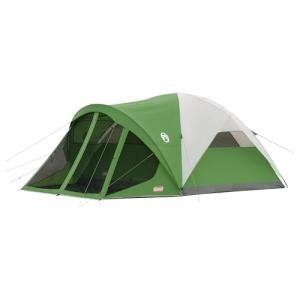
Coleman 6-Person Dome Tent with Screen Room
Stay comfortable and protected from the elements with this spacious tent that includes an extra screen room for relaxing or keeping bugs out
Product information
$300.00
Product Review Score
4.09 out of 5 stars
63 reviewsProduct links
DISCLAIMER
This document is provided for general information purposes only and should not be relied upon as providing legal advice, technical, or specific operational guidance to the reader, whether as to the practices described in the document or the applicable legal requirements and regulations. bestcampingdeals.com expressly disclaims any responsibility for liability arising from or related to the use or misuse of any information in this document.