Ultimate Guide to Hiking for Beginners: Start Your Outdoor Adventure
Hiking’s one of the easiest ways to get outside, connect with nature, and get fit. You don’t need fancy gear or expert skills to start, but let’s be honest—stepping onto a trail for the first time can feel a bit intimidating.
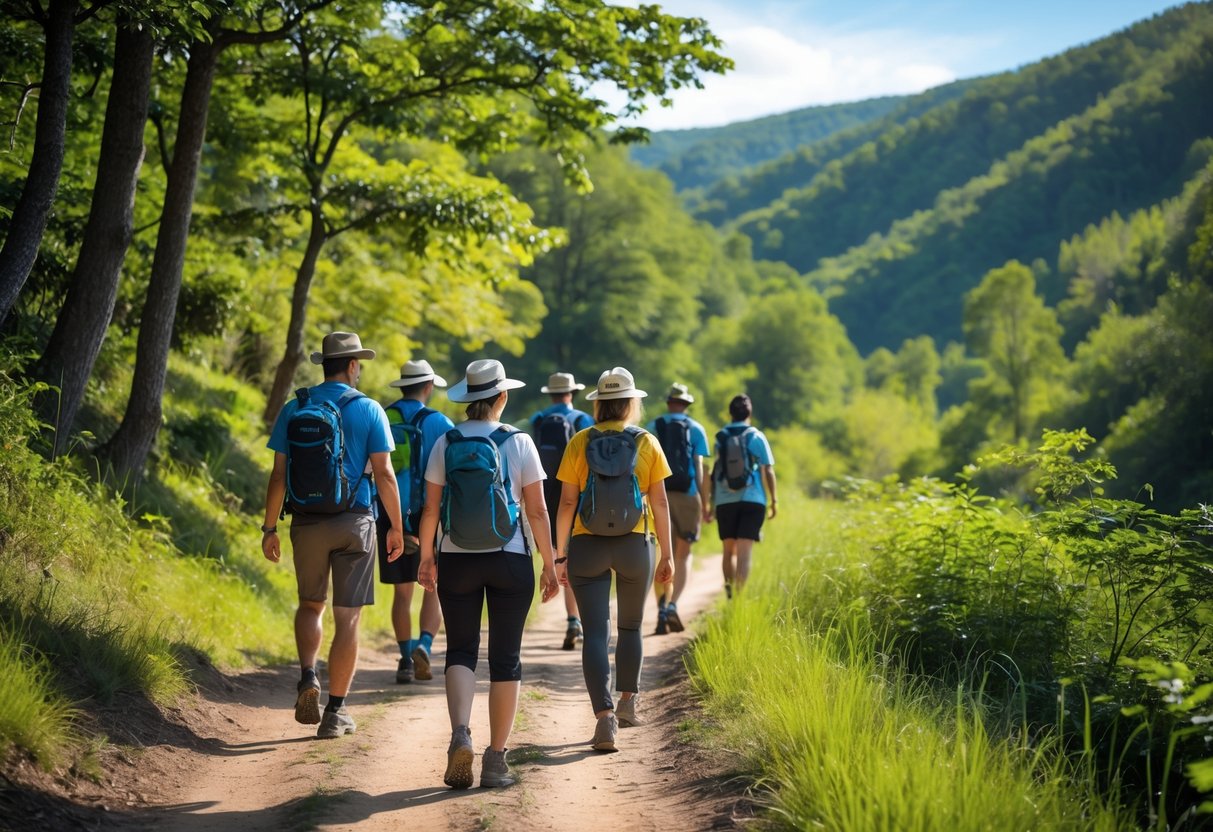
The key to successful hiking is really about preparing well, picking trails that fit your ability, and carrying a few safety basics. With a little knowledge about trails, gear, and staying safe, anyone can soak up the mental and physical perks hiking brings.
This guide breaks down everything beginners need: picking your first trail, gathering essential gear, learning trail etiquette, and staying out of trouble. Whether you’re eyeing a local park or dreaming of wilder places, these basics will help you feel confident and actually enjoy your time outside.
Key Takeaways
- Start with easy, well-marked trails that fit your fitness level. Work up to tougher hikes over time.
- Bring the right shoes, the Ten Essentials, appropriate clothing for the weather, and sufficient food and water.
- Always tell someone your plans, follow Leave No Trace, and know basic trail manners before you go.
Why Hiking is the Perfect Outdoor Activity for Beginners
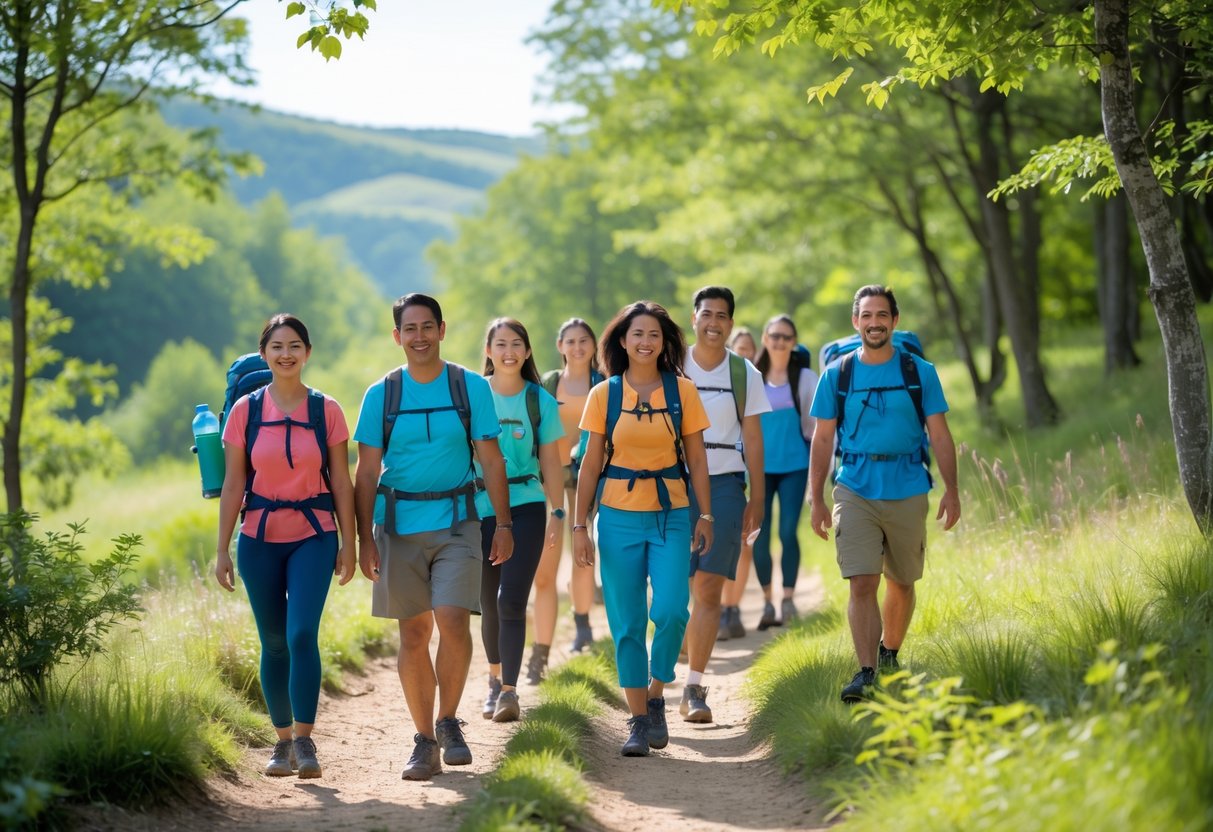
Hiking gives new outdoor folks an easy way in, with instant rewards for your body and mind. It’s an adventure that brings real health benefits and a chance to reconnect with the world around you.
Physical and Mental Health Benefits
Even one hike can make you feel better physically. Depending on the trail, you might burn 400-700 calories an hour, which isn’t too shabby.
Physical Benefits Include:
- Better cardiovascular fitness
- Stronger legs and core
- Improved balance
- Lower blood pressure
The mental boost is just as real. Studies suggest that time spent outside can reduce stress hormones, such as cortisol, by up to half.
Just 90 minutes walking in the woods can quiet your brain’s worry center. Hiking’s a legit way to manage anxiety or low moods.
Mental Health Improvements:
- Less stress and anxiety
- Deeper, better sleep
- Sharper focus and more creativity
- Better mood and self-esteem
Honestly, hiking doesn’t feel like a workout. It’s more like exploring. Lots of beginners are surprised by how far they can go outside compared to a treadmill.
Connecting with Nature and Personal Growth
Hiking drops you right into nature—something a lot of us miss in daily life. That break from screens and city noise can really clear your head.
Time outside sharpens your attention and helps you solve problems. It’s funny, but some of the best ideas seem to pop up on a trail.
Personal Growth Benefits:
- Boosts confidence in outdoor skills
- Helps you learn your limits
- Deepens appreciation for nature
- Gives a sense of accomplishment
Every hike teaches you something about weather, terrain, or just how to handle yourself outside. These skills are invaluable for a wide range of adventures.
Trails are often quiet, providing you with space to think. If you’re wrestling with a big decision or just need a mental reset, hiking can help.
Plus, regular hikes make you more aware of local ecosystems and the seasons changing. That awareness sometimes sparks a real urge to protect wild places.
How to Start Hiking: Key Steps for First-Time Hikers
If you’re new, take a moment to think about your fitness and what you want out of hiking. Deciding whether to go with a buddy or solo is also a big call, especially for safety.
Setting Comfort Levels and Fitness Goals
Start with easy trails that match where you’re at now. For your first few hikes, stick to 2-3 miles or less.
Try walking your neighborhood for an hour. If that feels good, you’re probably ready for a beginner trail.
Fitness goals should ramp up slowly:
- Week 1-2: 1-2 mile flat trails
- Week 3-4: 2-3 miles, maybe a little uphill
- Month 2+: 3-5 miles, moderate hills
Take it slow to avoid injuries and build confidence. Day hikes are ideal since you don’t need to camp or plan for overnight stuff.
Listen to your body and rest when you need to. Pushing too hard too soon can ruin the fun—or worse, get you hurt.
Choosing a Hiking Partner or Solo Hiking
It’s usually a good idea to hike with someone at first. A partner adds safety, motivation, and can help if you get turned around.
Why hike with a partner?
- Someone else helps keep things safe
- Two heads are better for navigation
- Backup in an emergency
- Honestly, it’s more fun
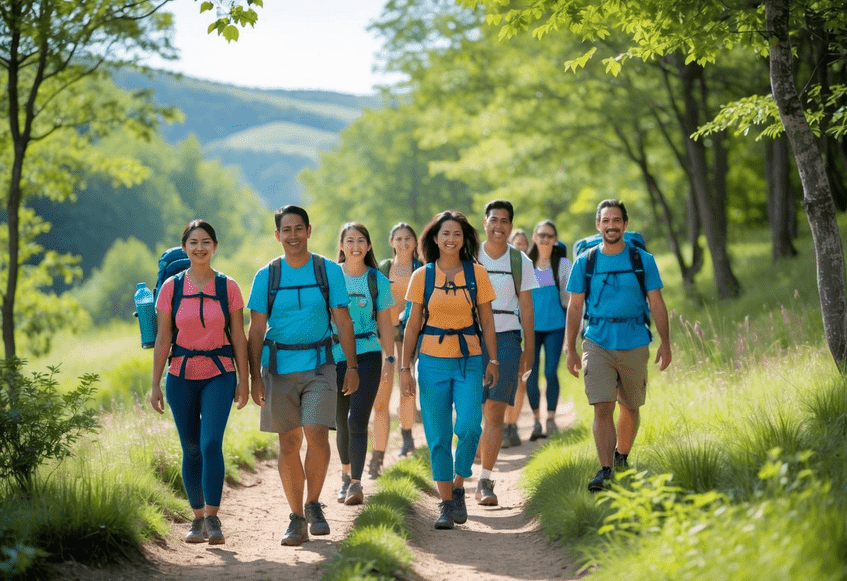
Friends, family, or local hiking groups all make good partners. Plenty of areas have clubs that welcome beginners.
Some people prefer hiking alone for the peace and quiet. If that’s you, just know solo hiking takes extra caution and should only be on easy, popular trails.
If you’re going solo, always let someone know where you’re headed and when you expect to return. Don’t forget to check in after the hike, too.
How to Plan Your First Hike
A little planning goes a long way. Do your homework on the trail before you leave.
Don’t skip these steps:
- Look up trail and weather conditions
- Double-check park hours and parking
- Download offline maps to your phone
- Start early enough to finish before dark
Check the trail’s distance, elevation, and recent reviews. Apps and websites often have up-to-date info from other hikers.
Have a backup trail in mind in case your first pick is closed or packed. It saves you a wasted trip or disappointment.
Pack water, snacks, a first aid kit, and an extra layer—even for short hikes. You never know what’ll pop up.
Heading out early gives you more daylight and usually better weather. Afternoon storms can sneak up, so don’t risk it.
Choosing the Right Hiking Trail
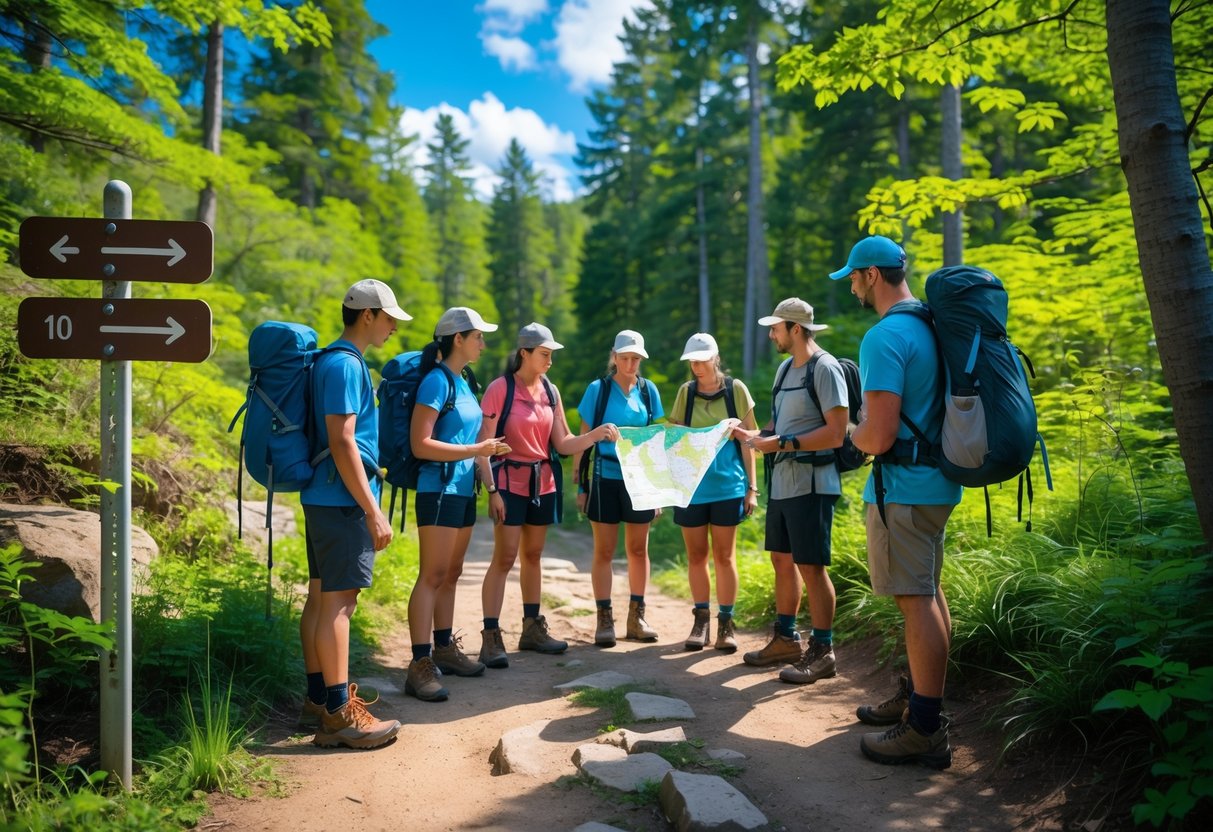
The right trail can make or break your first hiking experience. Focus on understanding trail ratings, checking current conditions, and utilizing reliable resources to make informed choices.
Understanding Trail Difficulty and Elevation Gain
Most trails get labeled as easy, moderate, or difficult. Easy usually means 1-3 miles and not much climbing. Moderate is 3-6 miles with some hills. Difficult? More than 6 miles or steep climbs.
Elevation gain is a bigger deal than distance sometimes. A 2-mile trail with 1,000 feet up is way tougher than a flat 4-mile stroll. Try to stick to trails with less than 250 feet of gain per mile at first.
Trail difficulty depends on:
- Distance: Start with 2-4 miles
- Elevation gain: Under 500 feet total is good
- Trail surface: Paved or smooth dirt is ideal
- Weather: Dry, clear days make life easier
Apps like AllTrails show elevation charts, so you can spot the steep parts before you go.
Assessing Trail Conditions and Terrain
Trail conditions change fast with weather and seasons. Always check recent reviews. Rain can turn a trail into a mud pit, and snow can close things down.
Different terrain needs different prep:
| Terrain Type | Difficulty | Best For |
|---|---|---|
| Paved paths | Easy | Complete beginners |
| Dirt trails | Easy-Moderate | Most beginners |
| Rocky paths | Moderate | Experienced beginners |
| Stream crossings | Difficult | Advanced hikers |
Look for well-marked, well-kept trails. It’s just way easier not to get lost. Popular spots usually have better upkeep than remote ones.
Seasons matter. Spring gets muddy. Summer’s great weather but can be crowded. Fall is cooler. Winter? Only go if you’ve got the right gear and know-how.
Using Trail Maps, Apps, and Local Resources
AllTrails is the go-to app for many, with trail details, filters for difficulty and distance, photos, and GPS tracking.
Hiking Project is another solid choice. Both let you download maps to use offline—super helpful if your phone loses service.
Old-school tools matter, too. Bring a map and a compass just in case your phone dies. Park websites typically feature official maps and information on closures.
Local tips are gold:
- Visitor centers know the latest trail news
- Park rangers can point you to good beginner trails
- Local hiking groups share recent trail experiences
- Gear shops often know the best nearby hikes
Download your maps before you leave. Save them on your phone and print a backup if you can. Always check for permits, fees, or seasonal rules that might change your plans.
Essential Hiking Gear for Beginners
New hikers need a few key pieces of gear to stay safe and comfy. The ten essentials are your foundation, and the right shoes will save your feet from blisters or worse.
The Ten Essentials Every Hiker Needs
The Ten Essentials are safety systems every hiker should bring. These items help prevent emergencies and give you a fighting chance if things go sideways.
Navigation tools mean a map and compass as backup for your phone’s GPS. Paper maps don’t run out of batteries.
A simple compass helps you get your bearings when the trail gets confusing. It’s not high-tech, but it works when nothing else does.
Illumination means packing a headlamp and spare batteries. Hikes sometimes run later than you expect.
Once it’s dark, you’re more likely to trip or get lost. A good light can make all the difference.
Sun protection covers sunglasses, sunscreen, and a hat. Sun bouncing off rocks or snow can roast you fast.
Getting burned is no joke and can really mess up your day. That’s why it’s worth tossing in the extra gear.
First aid supplies treat common trail mishaps, such as blisters and cuts. A basic kit should include bandages, antiseptic wipes, and blister treatment.
Painkillers help with those annoying aches that pop up. It’s better to have them and not need them than to need them and not have them.
Fire starting materials give you emergency warmth. Waterproof matches and a lighter are solid backups.
A fire can keep you warm and signal for help if you’re lost. Don’t count on just one method to get a flame going.
Emergency shelter shields you from wind and rain. A tiny bivy or space blanket barely weighs anything, but it could save your life.
These simple items keep hypothermia at bay if you end up out overnight. Better safe than sorry.
Extra food and water keep you going when the hike takes longer than planned. Energy bars and trail mix are easy to pack and eat.
Dehydration can lead to poor decision-making and heat exhaustion. Always bring more water than you think you’ll need.
Selecting the Best Hiking Footwear
Hiking footwear is probably the most important choice for new hikers. Bad shoes mean blisters and an early end to your adventure.
The right fit stops most foot problems before they start. Don’t just grab any old pair for the trail.
Trail runners are great for easy trails and short hikes. They’re lighter and more comfortable than boots.
These shoes dry quickly if they get wet. Many people prefer them for casual hikes.
Hiking shoes give your ankles more support than trail runners. They handle rocky trails better and have stiffer soles.
That extra protection helps when the ground gets rough. They’re a nice middle ground.
Hiking boots offer the most support and protection. High ankles help prevent sprains on uneven ground.
Waterproof boots keep your feet dry in wet weather. They’re a bit heavier, but sometimes that’s worth it.
You want a thumb’s width between your longest toe and the front of the shoe. Feet tend to swell as you walk, so try on shoes in the afternoon.
Wear your hiking socks when fitting shoes. That way, you know how they’ll really feel on the trail.
Break in new shoes on short hikes first. This helps you avoid hot spots that turn into blisters.
Good hiking socks—wool or synthetic—pull moisture away from your skin. It’s a small thing, but it makes a big difference.
Dressing in Layers and Choosing the Right Clothing
The layering system lets you adjust as the weather or activity changes. Three layers cover most conditions you’ll face.
Base layers move sweat away from your skin. Merino wool or synthetic fabrics work well.
Cotton holds moisture and loses warmth when wet. Seriously, leave the cotton at home.
Insulation layers trap heat close to your body. Fleece jackets and down vests add warmth without much weight.
It’s easy to peel these off if you get too warm. Layers give you options.
Shell layers block wind and rain. A waterproof jacket is a must if there’s any chance of storms.
Breathable fabrics help you avoid getting soaked from your own sweat. It’s a balance.
Skip cotton for every layer. It dries slowly and won’t keep you warm if it gets wet.
This can lead to hypothermia, even in mild weather. Not worth the risk.
Hiking pants should let you move freely and dry quickly. Many people enjoy convertible pants that can be converted into shorts.
Synthetics stand up to rough brush way better than cotton. It’s just practical.
Daypacks and Hiking Backpacks
A solid daypack lets you carry everything you need without killing your back. The right size and fit make a huge difference.
Capacity for day hikes usually falls between 20 and 30 liters. That’s enough for the essentials, food, and water.
Bigger packs tempt you to overpack. Trust me, you’ll feel every extra pound.
Fit matters more than fancy features. The hip belt should hold most of the weight.
Shoulder straps help balance the rest. Try a few packs to see what feels right.
Look for side pockets for water bottles. A sleeve for a hydration reservoir is handy if you like sipping on the go.
Load lifter straps help adjust the weight's position. Small tweaks can make a big difference.
Torso length, not your overall height, decides proper pack size. Outdoor stores often offer free fitting services.
A well-fitted hiking backpack feels much better, even when it’s full.
Adjust all the straps before you hit the trail. The hip belt should rest on your hip bones, not your waist.
Shoulder straps shouldn’t dig into your neck or shoulders. Please take a minute to get it right.
Safety, Hydration, and Trail Preparedness
Smart planning cuts your risk of injury and boosts your confidence out there. Essential skills include navigation with a map and a compass, maintaining good hydration habits, and emergency readiness, including first aid basics and energy-boosting food supplies.
Navigation Tools and Orientation Skills
A map and a compass are the backbone of trail navigation. Phones die, but these tools work in any weather.
Get comfortable reading topographic maps before you go. Elevation lines show you where it gets steep or flat.
Contour lines close together? That means a tough climb ahead. Knowing this helps you plan breaks.
Practice with a compass at home. Point the red arrow north and match it with your map’s directions.
Check your position every half hour or so. It’s easy to get turned around if you don’t pay attention.
Key navigation tools include:
- Topographic trail map
- Compass with adjustable declination
- GPS device with offline maps
- Backup phone charger or power bank
Stick to marked trails and watch for blazes on trees. These marks keep you on the right route.
Three short whistle blasts are the universal distress signal. Don’t hesitate to use it if you’re lost.
Staying Hydrated and Water Filtration
Proper hydration keeps you sharp and healthy on the trail. Sip small amounts every 15–20 minutes, rather than chugging a large amount at once.
Bring about one liter of water for every two hours of hiking. Hot weather or steep climbs mean you’ll need more.
Check your urine color—pale yellow means you’re doing fine. Darker? Drink up.
Water filtration systems let you safely drink from streams and lakes. Portable filters remove bacteria and parasites.
| Filter Type | Best For | Weight |
|---|---|---|
| Pump filters | Groups, base camps | 12-20 oz |
| Squeeze filters | Day hikes, solo trips | 2-4 oz |
| UV purifiers | Clear water sources | 4-6 oz |
Always treat water from natural sources. If you don’t have a filter, boil water for three minutes to kill any bacteria or other contaminants.
First Aid, Emergency Readiness, and Energy Food
First aid knowledge helps you handle trail injuries like blisters and cuts. Clean wounds with antiseptic wipes and cover them with bandages.
Pack these emergency essentials:
- Adhesive bandages (various sizes)
- Antiseptic wipes and antibiotic ointment
- Pain relievers and anti-inflammatory meds
- Emergency whistle and signal mirror
- Space blanket for warmth and visibility
Energy food keeps your blood sugar steady and your energy up. Go for snacks with carbs and protein for longer-lasting fuel.
Trail mix, energy bars, dried fruit, and nuts are solid choices. Skip super sugary stuff—it’ll just make you crash.
Eat a little bit every hour if you’re out for a while. Emergency food should be non-perishable and ready to eat, like nut butter packets or energy bars.
Trail Etiquette and Responsible Hiking
Good trail etiquette keeps the outdoors wild and enjoyable for everyone. Following Leave No Trace principles cuts down on your impact, and respectful trail behavior keeps things smooth between hikers, bikers, and horse riders.
Leave No Trace Principles
The seven Leave No Trace principles guide responsible hiking. They’re not just rules—they help keep wild places wild.
Plan ahead and prepare by checking trail conditions and rules. Make sure pets are allowed and grab any permits you need.
Travel and camp on durable surfaces like marked trails and campsites. Stay on the path, even if it’s muddy.
Walking through puddles keeps trails from getting wider and damaging plants. It’s a little thing that matters.
Dispose of waste properly—pack out all trash, including food scraps and toilet paper. For human waste, dig a cathole 6-8 inches deep and 200 feet from water.
Leave what you find. Don’t pick flowers, move rocks, or carve your name on trees. Take photos, not souvenirs.
Minimize campfire impacts by using existing fire rings if fires are allowed. A camp stove is usually a better bet.
Respect wildlife by watching from a distance. Feeding animals messes up their natural habits and can get dangerous fast.
Be considerate of other visitors. Keep noise down and yield the trail when you should.
Trail Etiquette for Hikers, Mountain Bikers, and Equestrians
Right-of-way rules keep shared trails safe. Knowing them makes everyone’s day better.
Hikers yield to horses and pack animals like mules. These animals can spook easily.
Step off the downhill side of the trail when horses come by. It’s safer for everyone.
Mountain bikers yield to both hikers and equestrians. Cyclists should slow down, announce themselves, and wait for the all-clear to pass.
Fast bikes can startle people or animals, so take it easy around others. Communication goes a long way.
Uphill hikers have the right-of-way over downhill hikers. If you’re headed down, step aside for those climbing up.
Going uphill takes more effort, so a little courtesy helps. It’s just good manners.
When passing slower groups, say hello and ask if you can get by. Wait for a safe spot to pass.
Large groups need to be extra thoughtful. They take up more room and can be noisy.
Let others go by, even if you technically have the right-of-way. It keeps things friendly.
Keep your noise reasonable. Most folks want to hear birds, not your playlist.
If you want music, use headphones instead of speakers. It’s just considerate.
Interacting with Wildlife and Other Trail Users
Good interactions with wildlife and people make the trail better for everyone. Safety comes first, always.
Wildlife encounters call for calm, respectful behavior. Don’t approach wild animals, no matter how cute they look.
Keep your food locked up so you don’t attract bears or critters. In bear country, make noise by talking or clapping.
This gives bears a heads-up so you don’t surprise them. Carry bear spray if you’re in their territory.
Dog owners have their own responsibilities. Keep dogs on leash where required, or under voice control if it’s allowed.
Not everyone is a dog person, so don’t let your pup jump on strangers. It’s common sense.
Clean up after your dog and pack out the waste. Never leave poop bags on the trail, not even for a minute.
Greeting other hikers with a smile or “hello” goes a long way. It helps everyone feel welcome and safe.
Keep advice to yourself unless someone asks. Some folks just want to hike in peace.
Be aware of your surroundings and the space you take up. Move to single file to let others pass when the trail narrows.
Top Hiking Tips for Beginners
Smart packing keeps your energy steady during a day hike. Weather awareness and knowing the trail can help you avoid rookie mistakes that slow people down.
Packing and Energy Management
Water is the most important item in any hiking pack. Beginners should carry about half a liter of water for every hour they plan to hike at a moderate pace.
A 30-liter daypack usually fits most day hiking needs. It holds water, snacks, and a layer or two without weighing you down too much.
Energy food should be easy to eat on the trail. Some good options:
- Trail mix with nuts and dried fruit
- Energy bars
- Fresh fruit like bananas or apples
- Crackers with cheese
Pack around 200-300 calories of food for each hour you expect to hike. This helps keep you from running out of steam.
Weight matters more than beginners think. Every extra pound in your pack makes hiking feel harder. Only bring what you’ll really use.
Keep insect repellent handy, maybe in a side pocket. Bugs love dawn and dusk, so be ready for them.
Bring a bit more food and water than you think you’ll need. Hikes sometimes take longer than planned, especially when you’re new.
Dealing with Weather and Trail Challenges
Check the weather forecast before every hike. Mountain and forest weather can change fast. Rain can turn a trail into a slip-and-slide in no time.
Always pack a waterproof jacket, even if the sky looks clear. Weather at higher elevations is unpredictable.
Layer your clothes instead of wearing one thick item. That way, you can add or shed layers as the temperature shifts. Start with a moisture-wicking base—wool or synthetic is best.
Cotton stays wet and will chill you. Stick with synthetic or wool since they dry quickly.
Start early in the day to dodge afternoon storms and the worst heat. Early birds also snag better parking at busy trailheads.
If the weather turns ugly, just turn back. No hike is worth risking your safety.
Save your trail route on your phone or GPS before you go. Don’t count on cell service in the backcountry.
Budget-Friendly Tips and Avoiding Common Mistakes
Borrow gear before spending big money. Most hikers are happy to lend boots or a rain jacket. It’s a smart way to test what works for you.
Try easy trails near home first. You’ll save on gas and get to know what kinds of hikes you actually like.
Don’t splurge on top-tier gear right away. Entry-level boots from a discount store often work fine for mellow trails. Upgrade only after you’ve caught the hiking bug.
State and local parks can be cheaper than national parks. You’ll often find great beginner trails with lower fees.
Choosing a trail that’s too hard is the biggest rookie mistake. Pick something shorter and easier than you think you can handle. Confidence grows faster than mileage does.
Hiking alone as a beginner isn’t safe. Go with a group or an experienced friend whenever possible.
Let someone know your route and when you expect to be back. It’s a small step that can make a huge difference if things go sideways.
Frequently Asked Questions
New hikers usually have a lot of questions—gear, trail choices, safety, how far to go, fitness, and what shoes to wear. Asking these things makes sense and helps you feel more confident out there.
What essential gear do I need for my first hiking trip?
Beginners should pack the Ten Essentials: navigation, sun protection, insulation, a light source, basic first aid, fire starter, repair kit, food, water, and emergency shelter. A 15-20 liter daypack is usually plenty for a short hike.
Some basics: water bottle, snacks, an extra clothing layer, headlamp or flashlight, and a basic first aid kit. Always bring a waterproof jacket, no matter what the forecast says.
A simple rule: 200-300 calories of food per hour, and half a liter of water per hour of moderate hiking. Extra snacks and water are a good backup plan.
How can I find beginner-friendly hiking trails close to my location?
Guidebooks and websites rate trail difficulty, distance, elevation, and give directions. You’ll often find recent reports from other hikers too.
Local hiking groups and ranger stations are goldmines for up-to-date info. Rangers can suggest trails that match your skill level and current conditions.
Word of mouth is underrated—ask hiking friends for their favorites. Online groups and clubs also help you connect with folks who know the area.
What are the top tips to ensure safety and enjoyment during my first hike?
Always tell someone your hiking plan: trail name, start time, and when you’ll be back. Leave a note in your car with your route, just in case.
Stick with short, popular trails that are well maintained. Bring a friend, especially if it’s your first time.
Check the weather before you leave. If things get sketchy or you’re worn out, there’s no shame in turning back.
Bring a basic first aid kit and know how to use it. Stay on marked trails, and try to follow Leave No Trace as best you can.
What is a good distance to aim for on a beginner hiking outing?
For your first hike, 1-3 miles on mostly flat ground is a solid start. It gives you a feel for your gear and your pace.
Plan for a slower pace than you’d walk in town—hiking is often slower because of hills and rough ground. Add an hour for every 1,000 feet you climb.
Don’t forget to factor in the drive to the trailhead. A short hike can still take up half a day once you add travel time.
How should someone out of shape start preparing for hiking?
Start with regular walks on flat ground. Walk for half an hour a few times a week to build up your stamina.
Once that feels easy, add some hills or stairs. It’ll help your legs get ready for climbing on the trail.
Begin with short, easy hikes and add distance slowly. Listen to your body—rest when you need to, and don’t push too hard.
Be honest about your fitness level when picking your first trail. It’s better to start easy and enjoy it than to bite off too much and get discouraged.
What should I keep in mind when choosing hiking footwear for the first time?
Start by thinking about the kind of trails you'll hike. Supportive over-the-ankle boots work best for rocky or root-filled paths.
If you're mostly on well-maintained trails, lightweight trail shoes might be all you need. It's not one-size-fits-all, so trust your gut a little.
Break in your footwear before you actually head out. Nothing ruins a hike faster than brand-new shoes causing blisters.
Skip cotton socks—go for wool or synthetic. Cotton just traps moisture, and that's a recipe for hot spots.
Your foot shape and comfort preferences matter a lot. What feels great for someone else might not work for you at all.
DISCLAIMER
This document is provided for general information purposes only and should not be relied upon as providing legal advice, technical, or specific operational guidance to the reader, whether as to the practices described in the document or the applicable legal requirements and regulations. bestcampingdeals.com expressly disclaims any responsibility for liability arising from or related to the use or misuse of any information in this document.