RV Won’t Start: The Most Common Causes and Simple Fixes

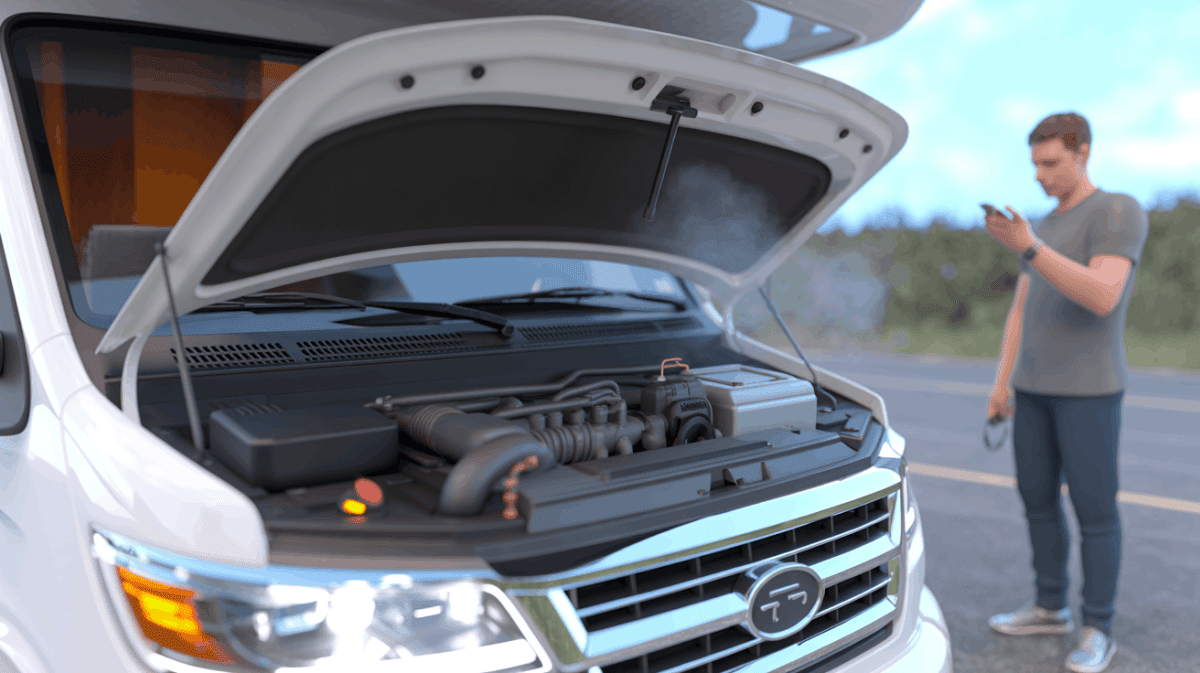
Having a vehicle that won't start is frustrating and inconvenient. RV issues can be even more challenging, leaving you stuck and unsure what to do.
Knowing how your RV's electrical systems work is key to solving starting problems. Cruise America, a top RV rental company, says understanding these systems helps spot potential issues.
We'll show you the main reasons RVs won't start and how to fix them easily. By knowing the causes, you can avoid these problems in the future.
Understanding Why Your RV Won't Start
RV starting problems can be puzzling. But, by recognizing signs and understanding the electrical system, you can find the issue. Knowing how to troubleshoot electrical problems is key. First, learn about your RV's electrical systems.
Common Symptoms of Starting Problems
When your RV won't start, there are signs to look for. Dim lights, clicking sounds when you turn the key, or no engine response are common. Cruise America says knowing these symptoms is key for fixing problems.
Dim lights might mean a battery issue. Clicking sounds could point to starter motor or solenoid problems.
Essential Tools for Troubleshooting
To fix RV starting problems, you need some tools. A multimeter is key for checking voltage and electrical issues. A circuit tester helps find electrical system problems.
Understanding your RV's electrical systems is crucial. AUTO-VOX notes the importance of knowing both 12-Volt DC and 120-Volt AC systems. With the right tools and knowledge, you can solve common RV engine issues and hit the road again.
Battery-Related Issues: The #1 Culprit

Battery problems are the main cause of RV starting issues. Regular checks on battery charge and fluid levels can spot issues early. This helps avoid bigger problems later.
Dead or Weak Battery: Testing and Replacement
A dead or weak battery can leave you stuck. Use a multimeter to test the battery voltage. A good battery should read about 12.6 volts.
If the voltage is low, it might be time for a new battery. Make sure the new one fits your RV's needs. Also, check the battery's age. Most RV batteries last 3 to 5 years, depending on use and care.
Cleaning Corroded Battery Connections
Corrosion on battery terminals can stop your RV from starting. To clean, mix baking soda and water for a paste. Apply it to the terminals, wait a few minutes, then rinse with water.
After cleaning, use petroleum jelly or silicone-based lubricant on the terminals. This helps prevent future corrosion.
Proper Battery Maintenance for RVs
Keeping your RV's battery in good shape is crucial. For flooded batteries, check and top up electrolyte levels with distilled water. For maintenance-free batteries, keep terminals clean and secure.
Also, try not to let your battery get too low. Use a battery monitor to track its charge. This helps avoid sudden failures.
By following these maintenance tips, you can cut down on starting problems. Enjoy a smoother RV experience with proper battery care.
Fuel System Problems That Prevent Starting
Many RVs won't start because of fuel system issues. The fuel system is key for your RV's engine to run. If it fails, starting problems can occur.
Checking Fuel Levels and Gauge Accuracy
Start with the basics. Make sure your fuel level is good. Sometimes, the fuel gauge is off, causing more trouble. Check the fuel level manually by looking at the tank or following your RV's manual.
How to Inspect and Replace Fuel Filters
Fuel filters keep your RV's engine healthy by removing dirt from fuel. They can get clogged, blocking fuel flow and causing problems. Here's how to check and replace them:
- Find the fuel filter, usually near the fuel line or in the engine area.
- Turn off the engine and release the fuel system pressure.
- Take off the filter and see if it's dirty or damaged.
- Put in a new filter and make sure it's tight.
Diagnosing Fuel Pump Failures
The fuel pump moves fuel from the tank to the engine. If it fails, you might have starting issues or the engine might stall. Signs of a bad fuel pump include:
| Symptom | Description |
|---|---|
| Whining Noise | A loud whining noise from the fuel tank area |
| Engine Stalling | Engine stalls or fails to start due to lack of fuel |
| Low Fuel Pressure | Fuel pressure is lower than the manufacturer's specification |
If you think the fuel pump is failing, get a pro mechanic to check it out.
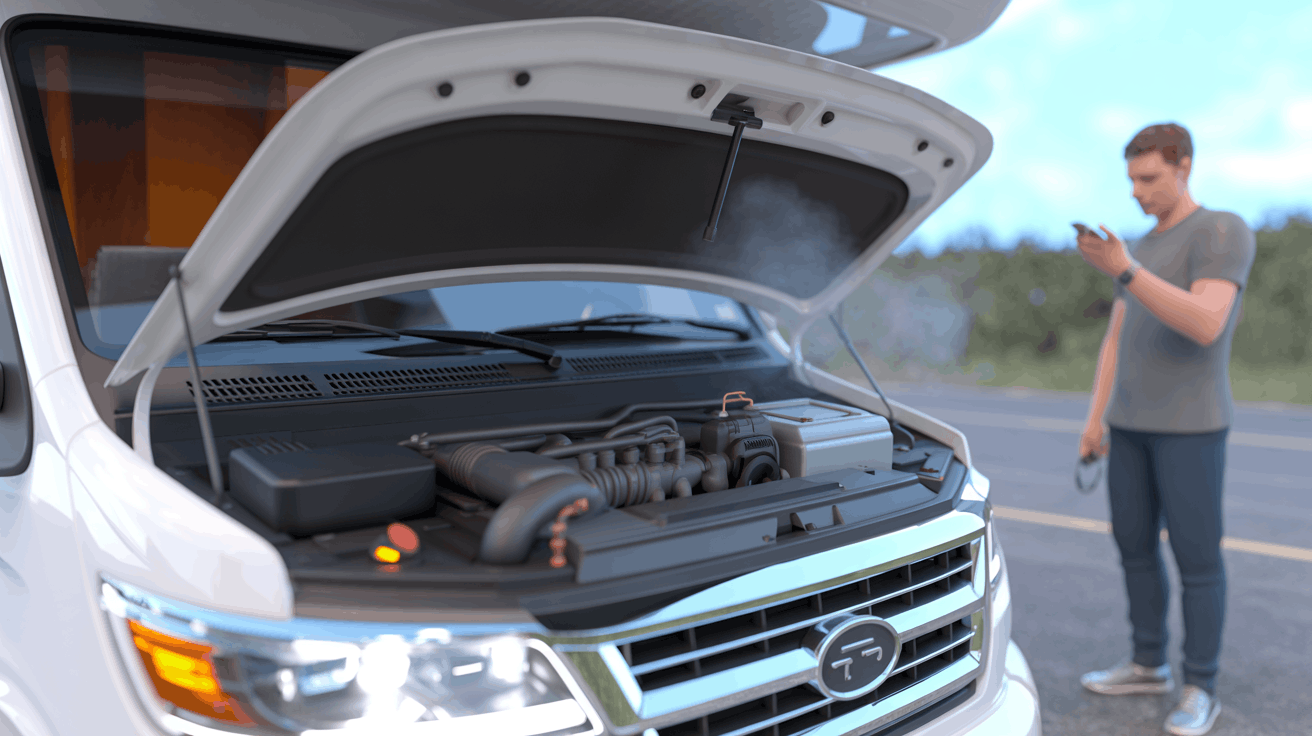
RV Won't Start: The Most Common Causes the Simple Fixes
Fixing an RV that won't start needs patience and a careful plan. It's important to find the main problem to fix it right.
Troubleshooting Starter Motor Issues
The starter motor turns the engine over when you turn the key. If it's broken, your RV won't start. Listen for a clicking sound when you turn the key. If you hear it but the engine doesn't start, it might be the starter motor.
Start by checking the starter motor connections. Make sure they are clean and tight.
Fixing Ignition Switch Problems
The ignition switch is key to starting your RV. It can wear out and stop working. If it's not working, look for loose connections or worn contacts.
If it's damaged, you might need to replace it.
"Regular maintenance is key to preventing RV starting problems. Ensuring that all electrical connections are clean and secure can significantly reduce the risk of starting issues."
When to DIY vs. When to Seek Professional Help
Some RV starting problems you can fix yourself, but others need a pro. If you're not sure or feel uneasy, get help from a qualified RV technician. Simple tasks like checking battery connections or replacing fuel filters are easy to do yourself.
But, if you need to replace the starter motor or ignition switch, it's best to let a pro do it.
| Issue | DIY Fix | Professional Help |
|---|---|---|
| Dead Battery | Check connections, charge or replace | Replace if unable to charge |
| Starter Motor Issues | Check connections | Replace if faulty |
| Ignition Switch Problems | Check for loose connections | Replace if worn out |
Knowing when to DIY and when to get professional help is key. Being ready and knowing your limits helps you fix RV problems fast.
Conclusion: Preventing Future RV Starting Problems
To avoid the frustration of an RV that won't start, regular maintenance is key. Understanding common causes like battery issues and fuel problems helps us act early. This way, we can prevent these issues.
Regular checks on connections, battery voltage, and fuel levels can spot problems early. Knowing the signs of wear on parts like the starter motor and ignition switch is also important. This helps in fixing issues before they get worse.
By keeping up with maintenance, we lower the chance of engine failure. This ensures our RV stays in top shape. Whether you're new to RVs or have been around for a while, these simple checks can save you time and money. They also prevent the hassle of an RV engine that won't crank.
FAQ
Q: What are the most common causes of RV starting problems?
Q: How do I troubleshoot my RV's starting problem?
Q: What tools do I need to troubleshoot my RV's electrical system?
Q: How do I maintain my RV's battery to prevent starting issues?
Q: What are the signs of a faulty fuel pump in my RV?
Q: Can I fix my RV's starting problem myself, or do I need professional help?
Q: How often should I inspect and replace my RV's fuel filters?
Q: What are some preventive maintenance tips to avoid future RV starting problems?
DISCLAIMER
This document is provided for general information purposes only and should not be relied upon as providing legal advice, technical, or specific operational guidance to the reader, whether as to the practices described in the document or the applicable legal requirements and regulations. Best Camping Deals expressly disclaims any responsibility for liability arising from or related to the use or misuse of any information in this document.