Great Smoky Mountains National Park Camping: Complete Guide
Nestled between Tennessee and North Carolina, Great Smoky Mountains National Park offers some of the most breathtaking camping experiences in the United States. As America's most visited national park, the Smokies provide a perfect backdrop of lush forests, misty mountain views, and abundant wildlife for your camping adventure. Whether you're a seasoned outdoor enthusiast or planning your first family camping trip, this comprehensive guide will help you navigate the park's diverse camping options and ensure a memorable stay in this natural wonderland.
Camping Options in the Smokies

The diverse camping options in Great Smoky Mountains National Park cater to all types of outdoor enthusiasts
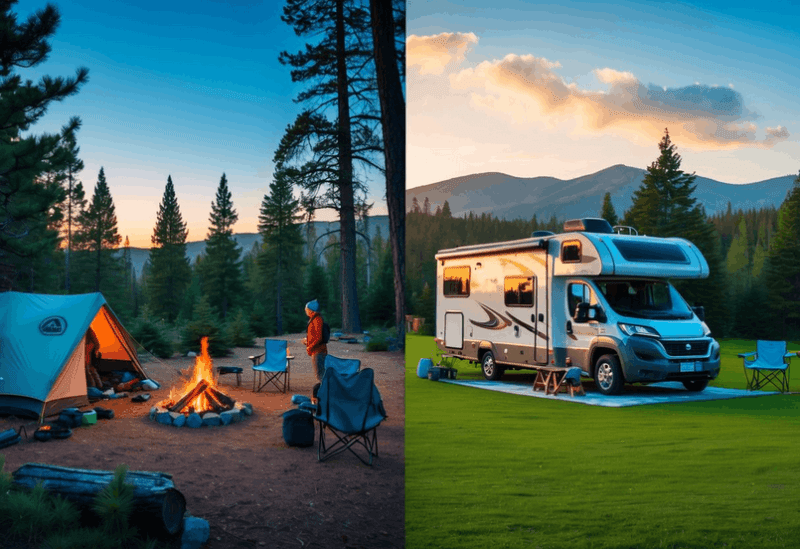
Great Smoky Mountains National Park offers three main types of camping experiences to suit different preferences and group sizes. Understanding these options will help you choose the perfect camping experience for your visit.
Frontcountry Campgrounds
The park maintains nine developed campgrounds with a total of over 900 sites. These frontcountry campgrounds provide amenities such as restrooms with flush toilets, cold running water, and fire rings with grates for cooking. Each campsite includes a picnic table and a designated area for your tent or RV. However, it's important to note that none of the campgrounds offer electrical, water, or sewer hookups, except for a few sites reserved for medical needs.
Backcountry Camping
For those seeking a more remote experience, the park offers over 100 backcountry campsites and shelters accessible only by hiking trails. These sites provide a true wilderness experience but require proper preparation and a backcountry permit. Backcountry camping allows you to immerse yourself in the park's natural beauty away from roads and crowds.
Group Camping
Seven campgrounds in the park offer designated group camping sites for parties of seven or more people. These sites are perfect for family reunions, scout troops, or other organized groups. Group sites are tent-only facilities and require advance reservations.
Ready to Plan Your Camping Trip?
Explore all camping options and check availability for your preferred dates.
View All CampgroundsReservation Process and Important Deadlines
Planning ahead is essential for securing your preferred campsite in Great Smoky Mountains National Park, especially during peak seasons. Here's what you need to know about the reservation process:
Campgrounds Requiring Reservations
Five of the park's campgrounds accept reservations: Cades Cove, Cataloochee, Cosby, Elkmont, and Smokemont. For these campgrounds, you can make reservations up to six months in advance. Cataloochee is the only campground that strictly requires reservations before arrival - no walk-up reservations are accepted.
First-Come, First-Served Campgrounds
The remaining campgrounds (Abrams Creek, Balsam Mountain, Big Creek, and Deep Creek) operate on a first-come, first-served basis. During busy periods, these campgrounds can fill up quickly, so arriving early in the day is recommended.
Group Campsite Reservations
All group campsites require reservations, which can be made up to one year in advance. These sites are in high demand, especially during summer months, so booking well ahead of time is strongly advised.
Backcountry Permits
For backcountry camping, permits are required and can be obtained up to 30 days in advance. The park charges a small fee for backcountry permits, which can be reserved online through the park's backcountry reservation system.
| Reservation Type | Booking Window | How to Reserve |
| Frontcountry Campgrounds | Up to 6 months in advance | Recreation.gov or call (877) 444-6777 |
| Group Campsites | Up to 12 months in advance | Recreation.gov or call (877) 444-6777 |
| Backcountry Permits | Up to 30 days in advance | Park's backcountry reservation system |
Secure Your Campsite Today
Don't miss out on your preferred dates and locations. Make your reservation now through the official booking system.
Book Your CampsiteBest Campgrounds in Great Smoky Mountains National Park
Each of the nine campgrounds in the park offers a unique experience. Here's a breakdown of the most popular options to help you choose the right one for your trip:
Elkmont Campground

Located just 8 miles from Gatlinburg, Elkmont is the largest and busiest campground in the park with 220 sites. Situated at an elevation of 2,150 feet, it enjoys a moderate climate with mild winters and warm summers. The Little River and Jakes Creek run through the campground, offering excellent opportunities for fishing and cooling off during hot summer days. Elkmont is also close to several popular hiking trails, including the Laurel Falls Trail.
Amenities: Flush toilets, cold running water, fire rings, picnic tables
Unique Features: Historic buildings from the old Elkmont resort community, riverside sites, proximity to Gatlinburg
Cades Cove Campground

Open year-round, Cades Cove is one of the most popular campgrounds due to its location near the scenic Cades Cove Loop Road, where wildlife viewing opportunities abound. The campground features 159 sites and is situated in a beautiful wooded area with Abrams Creek running nearby. A campground store with a snack bar, bike rentals, and horse stables add to the convenience of this location.
Amenities: Flush toilets, cold running water, fire rings, picnic tables, camp store
Unique Features: Open year-round, proximity to Cades Cove Loop Road for wildlife viewing, bike rentals
Smokemont Campground

Located near the Oconaluftee Visitor Center and Cherokee, NC, Smokemont is open year-round and offers 142 sites. This campground is situated along Bradley Fork Creek and provides easy access to several hiking trails. Smokemont also features a historic church and is close to the Mountain Farm Museum, offering cultural experiences alongside natural beauty.
Amenities: Flush toilets, cold running water, fire rings, picnic tables
Unique Features: Open year-round, horse stables for rentals, proximity to Cherokee and cultural attractions
Other Notable Campgrounds
Cosby Campground
A quieter option with 157 sites, located in a remote area of the park. Great for those seeking a more peaceful experience away from crowds.
Deep Creek Campground
Popular for tubing activities with 92 sites. Located near Bryson City, NC, this campground offers easy access to beautiful waterfalls.
Cataloochee Campground
A small, remote campground with 27 sites, famous for elk viewing opportunities. Advance reservations are required.
Seasonal Considerations for Camping

Fall brings spectacular colors to the Smokies, making it one of the most popular camping seasons
The Great Smoky Mountains experience distinct seasons, each offering a unique camping experience. Understanding these seasonal variations will help you plan the perfect trip:
Spring (March-May)
Spring brings wildflowers and moderate temperatures, but also unpredictable weather and frequent rainfall. Campgrounds begin to open in March and April. This is an excellent time to avoid crowds while enjoying the park's natural rebirth.
Summer (June-August)
The busiest season with warm days (70s-80s°F) and cool nights. All campgrounds are open, but reservations are essential as sites fill quickly. Afternoon thunderstorms are common, and higher elevations offer relief from summer heat.
Fall (September-November)
Perhaps the most popular season due to spectacular fall foliage, especially in October. Temperatures are pleasant, and rainfall is typically low. Campgrounds are extremely busy during peak fall color weeks.
Winter (December-February)
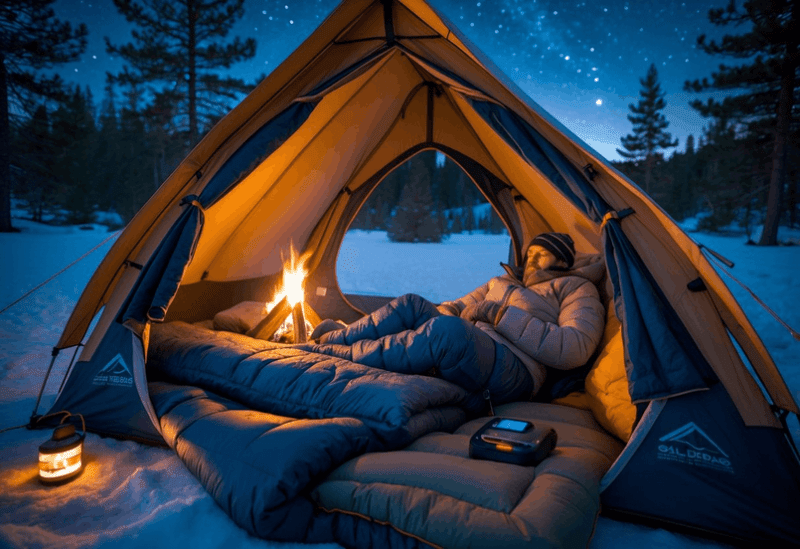
A quiet season with few crowds but limited camping options. Only Cades Cove and Smokemont campgrounds remain open year-round. Temperatures can drop below freezing, especially at night, and snow is possible, particularly at higher elevations.
Pro Tip: For the best balance of good weather and smaller crowds, consider camping in late April to early June or mid-September to early October (avoiding peak fall color weekends).
Essential Gear and Packing List
Being well-prepared is key to an enjoyable camping experience in the Smokies. Here's a comprehensive packing list to ensure you have everything you need:
Camping Equipment
- Tent with rainfly and footprint
- Sleeping bags appropriate for the season
- Sleeping pads or air mattresses
- Camp chairs and table
- Headlamps or flashlights with extra batteries
- Multi-tool or knife
- Rope or cord for clothesline
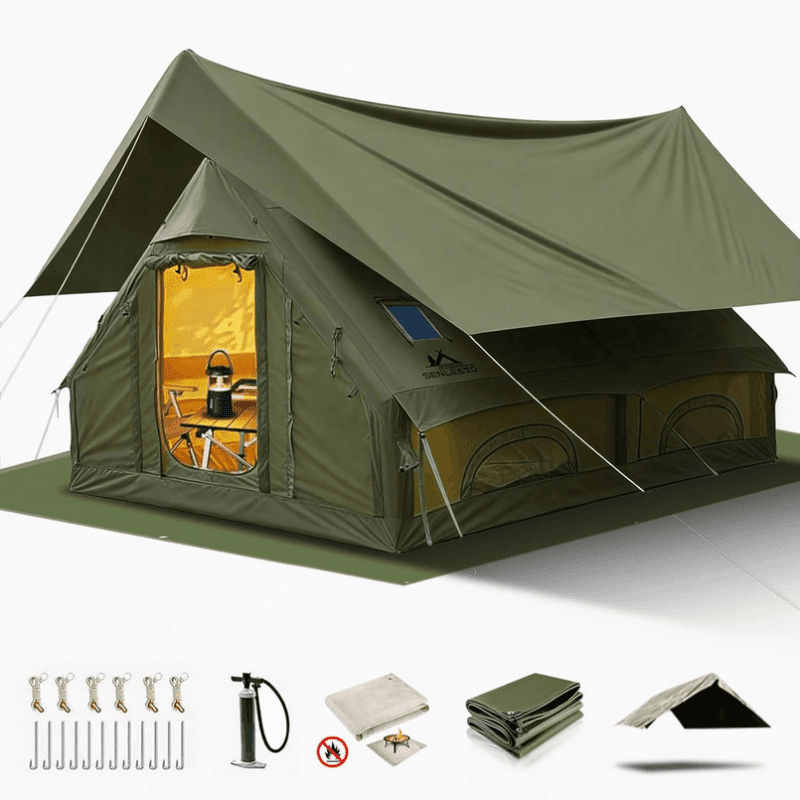
- Tarp (for additional rain protection)
Cooking Supplies
- Camp stove and fuel
- Matches or lighter in waterproof container
- Cookware and utensils
- Plates, bowls, and cups
- Dish soap and sponge
- Cooler with ice
- Water containers
- Trash bags
Clothing
- Moisture-wicking base layers
- Insulating mid-layers
- Waterproof/windproof outer layer
- Hiking boots or sturdy shoes
- Extra socks (more than you think you'll need)
- Hat for sun protection
- Warm hat for cool evenings
- Gloves (depending on season)
Personal Items
- First aid kit
- Medications
- Sunscreen and insect repellent
- Toiletries in a portable container
- Quick-dry towel
- Hand sanitizer
- Park map and compass
- Bear spray (optional but recommended)

Essential camping gear for a safe and comfortable experience in the Smokies
Need Camping Gear?
If you don't have all the necessary equipment, consider renting gear from outfitters near the park.
Learn About Gear RentalsCamping Regulations and Safety Guidelines
Following park regulations and safety guidelines is essential for protecting both visitors and the park's natural resources. Here are the key rules and safety considerations to keep in mind:
Bear Safety
Proper food storage is essential for bear safety in the Smokies
The Great Smoky Mountains are home to approximately 1,500 black bears, making bear safety a top priority for campers:
- Store all food, coolers, and scented items (including toiletries) in your vehicle or camping unit when not in use
- Never leave food unattended, even for a short time
- Clean cooking areas thoroughly after use
- Dispose of garbage in designated bear-proof dumpsters
- Never approach or feed bears (or any wildlife)
- If you encounter a bear, maintain a safe distance of at least 50 yards
Fire Regulations
Campfires are permitted only in designated fire rings provided at each campsite:
- Never leave fires unattended
- Completely extinguish fires before going to sleep or leaving your campsite
- Only heat-treated firewood in original packaging with USDA certification seal may be brought into the park
- You may collect dead and down wood within the park for campfires
- Fire restrictions may be implemented during dry periods
General Camping Regulations
| Regulation | Details |
| Quiet Hours | 10:00 PM to 6:00 AM in all campgrounds |
| Generator Use | Restricted to 8:00 AM to 8:00 PM; prohibited in some loops during peak season |
| Maximum Stay | 14 consecutive days during peak season |
| Group Size | Maximum of 6 people per individual campsite |
| Pet Policy | Pets allowed in campgrounds but must be leashed (6 ft max) at all times; not allowed on trails |
Important Safety Note: Cell service is limited or non-existent in many areas of the park. Download maps and information before your trip, and consider bringing a portable weather radio for emergency updates.
Stay Safe in Bear Country
Learn more about bear safety and proper food storage techniques before your trip.
Bear Safety GuidelinesNearby Attractions and Activities
One of the advantages of camping in Great Smoky Mountains National Park is the abundance of activities and attractions within and near the park. Here are some of the best ways to enhance your camping experience:
Within the Park

Hiking is one of the most popular activities in the park, with over 800 miles of trails to explore
Hiking
With over 800 miles of trails ranging from easy walks to challenging backcountry routes, hiking is the premier activity in the Smokies. Popular trails include Laurel Falls (2.6 miles round-trip), Alum Cave to Mount LeConte (11 miles round-trip), and Andrews Bald (3.6 miles round-trip).
Wildlife Viewing
The Smokies are known for diverse wildlife, including black bears, white-tailed deer, and over 200 bird species. Cades Cove and Cataloochee Valley are prime spots for wildlife viewing, especially during early morning or evening hours.
Historic Sites
Explore the park's rich cultural heritage at preserved historic buildings like those at Cades Cove, Elkmont, and the Mountain Farm Museum at Oconaluftee. These sites offer a glimpse into the lives of early settlers in the Appalachian Mountains.
Surrounding Areas
Gatlinburg, TN
Just outside the park's northern entrance, Gatlinburg offers restaurants, shops, and attractions like Ripley's Aquarium, the Space Needle, and the Gatlinburg SkyLift Park. The town also has numerous outfitters for equipment rentals.
Pigeon Forge, TN
Home to Dollywood theme park, dinner shows, shopping outlets, and family attractions like The Island and WonderWorks. Located just a short drive from Gatlinburg and the park's northern entrance.
Cherokee, NC
Near the park's southern entrance, Cherokee offers cultural experiences related to the Eastern Band of Cherokee Indians, including the Museum of the Cherokee Indian and Oconaluftee Indian Village. The town also has restaurants, shops, and tubing on the Oconaluftee River.

Cades Cove offers a scenic 11-mile loop with historic buildings and excellent wildlife viewing opportunities
Tips for First-Time Visitors
If this is your first time camping in Great Smoky Mountains National Park, these practical tips will help ensure a smooth and enjoyable experience:
Proper preparation makes for a more enjoyable family camping experience
Before You Go
- Make reservations well in advance, especially for summer and fall weekends
- Check weather forecasts and pack accordingly, including rain gear regardless of the forecast
- Download offline maps and save important information, as cell service is limited in the park
- Plan your activities and hikes based on your group's abilities and interests
- If camping with children, choose a campground with amenities like Cades Cove or Elkmont
During Your Stay
- Arrive at the campground early in the day to set up camp before dark
- Visit popular attractions early in the morning or late in the day to avoid crowds
- Store food properly at all times to prevent wildlife encounters
- Respect quiet hours and be considerate of neighboring campers
- Stop by a visitor center to get updated information and ranger program schedules
Family Camping Tips
Camping with children can create lasting memories. Here are some specific tips for family camping in the Smokies:
- Choose a campsite near restrooms for convenience
- Pack games and activities for rainy days or downtime
- Participate in Junior Ranger programs at visitor centers
- Select family-friendly hikes like Laurel Falls or the Elkmont Nature Trail
- Bring glow sticks for nighttime visibility and fun
- Plan simple meals that children can help prepare
- Create a scavenger hunt for natural items (leaves, rocks, etc.) to keep kids engaged
"The best way to enjoy the Smokies is to slow down and immerse yourself in the natural surroundings. Take time to listen to the streams, watch for wildlife, and breathe in the fresh mountain air."
Alternative Accommodations Near the Park
If traditional camping isn't your preference or if you'd like to combine camping with other lodging options, several alternatives are available near Great Smoky Mountains National Park:

Cabin rentals offer a comfortable alternative to camping while still enjoying the mountain setting
Cabin Rentals
Numerous cabins are available for rent in Gatlinburg, Pigeon Forge, Townsend, and other surrounding communities. These range from rustic to luxury and often feature amenities like hot tubs, fireplaces, and mountain views.
LeConte Lodge
The only lodging within the park boundaries, this rustic lodge is accessible only by hiking trails (5-8 miles one-way). It offers a unique overnight experience with meals included, but reservations are extremely competitive and must be made well in advance.
Hotels and Motels
All gateway communities offer a range of hotels and motels at various price points. Gatlinburg and Pigeon Forge have the most options on the Tennessee side, while Cherokee offers several choices on the North Carolina side.
Glamping
For those who want a camping experience with more amenities, several glamping (glamorous camping) options are available near the park, offering canvas tents with real beds, electricity, and sometimes private bathrooms.
RV Parks
Private RV parks outside the national park offer full hookups, Wi-Fi, swimming pools, and other amenities not available at park campgrounds. These can be found in Pigeon Forge, Townsend, Cherokee, and other nearby towns.
Wrangler Campground
Located at Smokemont, this campground caters specifically to visitors with horses, providing access to numerous equestrian trails in the park. Reservations are required.
Explore Lodging Options
Find the perfect place to stay for your Great Smoky Mountains adventure.
View Lodging OptionsFrequently Asked Questions
What are the camping fees in Great Smoky Mountains National Park?
Camping fees vary by campground and type of site. For frontcountry campgrounds, fees range from $17 to $27 per night for individual sites. Group campsites range from $40 to $75 per night, depending on group size. Backcountry camping requires a permit that costs $4 per person per night, with a maximum of $20 per permit.
Are pets allowed in the campgrounds?
Yes, pets are allowed in all campgrounds but must be kept on a leash of 6 feet or less at all times. However, pets are not allowed on most hiking trails, in buildings, or in backcountry campsites. The Gatlinburg Trail and Oconaluftee River Trail are the only two walking paths that allow pets.
Is there cell phone service in the campgrounds?
Cell service is limited and unreliable throughout most of the park, including campgrounds. Some campgrounds near the park boundaries, such as Elkmont and Smokemont, may have spotty service, but it's best to plan as if you won't have connectivity during your stay.
Are there showers available in the campgrounds?
None of the campgrounds within Great Smoky Mountains National Park have shower facilities. However, there are pay showers available in nearby communities, including Gatlinburg, Townsend, and Cherokee. Some campground offices can provide information about the nearest shower facilities.
Can I collect firewood in the park?
You may collect dead and down wood for campfires within the park. However, if you bring firewood from outside, it must be heat-treated and in its original packaging with a USDA or state department of agriculture certification seal. This restriction helps prevent the spread of invasive insects and diseases.
What is the best time of year to camp in the Smokies?
Late spring (May-early June) and early fall (September-early October) offer the best combination of pleasant weather and moderate crowds. Summer provides full access to all facilities but comes with larger crowds and afternoon thunderstorms. Fall colors peak in mid-October at higher elevations and late October to early November at lower elevations, drawing the largest crowds of the year.

The magical evening atmosphere is one of the many rewards of camping in the Smokies
Plan Your Great Smoky Mountains Camping Adventure
Camping in Great Smoky Mountains National Park offers an unparalleled opportunity to immerse yourself in one of America's most beloved natural treasures. From the misty mountain views to the diverse wildlife and rich cultural history, the Smokies provide a camping experience that creates lasting memories for visitors of all ages.
Whether you choose the convenience of a frontcountry campground, the solitude of a backcountry site, or the camaraderie of a group camping area, proper planning and preparation will ensure your camping trip is safe, comfortable, and enjoyable. Remember to respect park regulations, practice proper food storage, and leave no trace to help preserve this magnificent park for future generations.
Now that you're equipped with comprehensive information about camping in the Great Smoky Mountains, it's time to secure your reservations, pack your gear, and embark on an unforgettable adventure in this remarkable national park.
Ready for Your Smokies Adventure?
Start planning your camping trip today with official park information.
Plan Your Trip Now
DISCLAIMER
This document is provided for general information purposes only and should not be relied upon as providing legal advice, technical, or specific operational guidance to the reader, whether as to the practices described in the document or the applicable legal requirements and regulations. bestcampingdeals.com expressly disclaims any responsibility for liability arising from or related to the use or misuse of any information in this document.