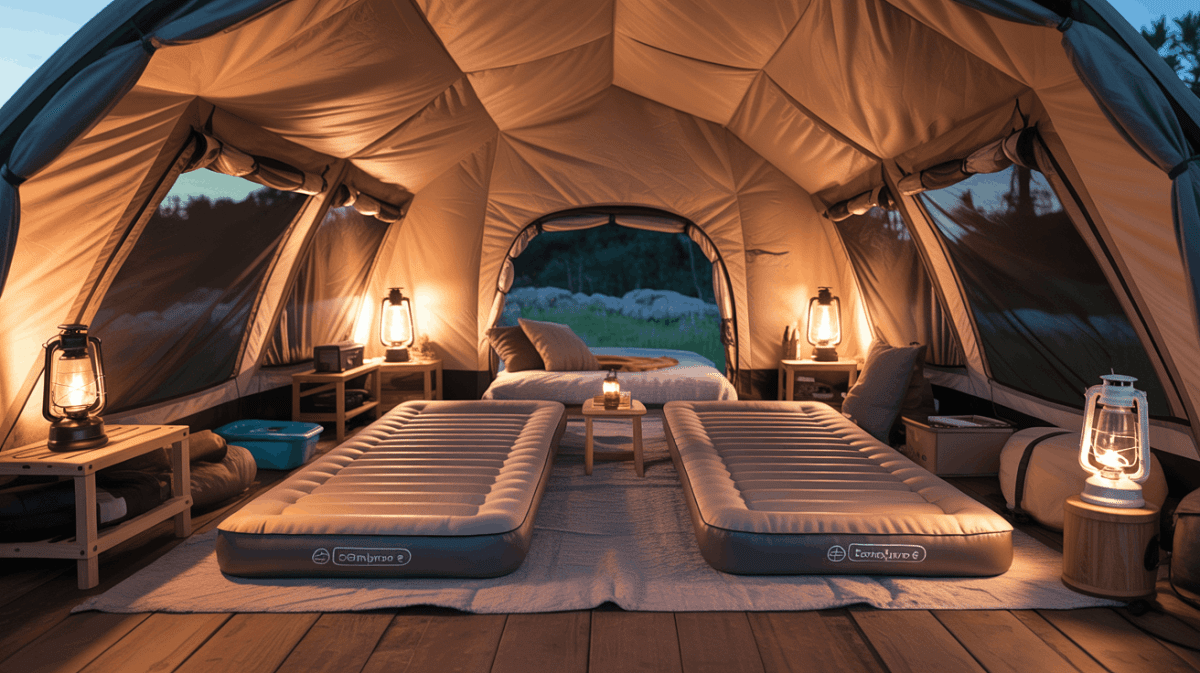
Inflatable Tents: Are They Built to Withstand High Winds

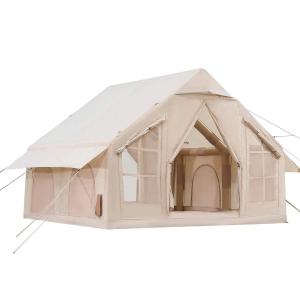
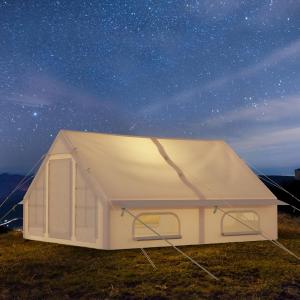
Quick setup and a soft frame can look fragile, but modern air-supported shelters often perform better than they seem. Many use flexible beams that bend with gusts instead of breaking like rigid poles. That flex reduces stress on seams and keeps the shelter stable in changing weather.
Performance depends on more than the airframe. Proper anchoring, full pegging at every point, and smart guy-line geometry matter as much as fabric strength and pressure management. Fast pitching—often under ten minutes—is a practical edge when conditions shift.
This guide is for family campers, festival-goers, and car campers across the United States who want quick, reliable shelter. Ultralight backpackers should weigh durability against carry weight before choosing an air model.
We’ll cover shape and sail area, pegging points, pump reliability, and the signs that mean it's time to pack up. Above all, safety first: no shelter is storm-proof, but secure pitching and controlled flex lower common failure modes.
Key Takeaways
- Air-supported frames flex under gusts, which can reduce damage compared with rigid poles.
- Anchoring, pegging points, and guy lines are critical for stability.
- Fast pitching gives an advantage when weather worsens quickly.
- Consider shape, sail area, and fabric strength when choosing a model.
- Know your pack-down thresholds — safety beats stubbornness in strong winds.
How inflatable tents handle wind compared to pole tents
Air-beam shelters and pole models respond very differently when gusts arrive at camp.
Why flexible beams bend rather than snap: Pressurized air tubes spread load along their length. A gust causes the beam to flex and absorb energy, lowering peak stress on any single point. That controlled flex often prevents the sudden break common with rigid poles.
When poles fail: A side-on gust concentrates force at joints and segments. Poles can invert, crease, or fracture after repeated cycles, especially lower-grade fiberglass. A broken pole may still leave partial shape, but it can mean collapse at critical seams.
Shape, sail area, and stability
Large vertical walls raise the sail area and boost drag. Low profiles and rounded forms cut exposed area and improve wind resistance. Orienting the narrow end toward gusts reduces load on guy points and stakes.
| Feature | Pole System | Air-Beam System |
|---|---|---|
| Load distribution | Concentrated at joints | Spread across pressurized beams |
| Failure mode | Segment snap/crease | Deform then recover if pressure holds |
| Feel under gusts | Rigid, may break | Bouncy if under-guyed or low pressure |
| Best use | Traditional campers preferring partial structure | Fast pitching and controlled flexibility |
Bottom line: Flexibility can be an advantage, but poor guying or low pressure makes the frame feel floppy. Not all inflatable tents are equal—materials, beam design, and stress-point construction decide how well a model handles strong winds.
Choosing inflatable tents in high wind: design and materials that matter
How a shelter is cut, reinforced, and pegged determines whether it stays standing in rough conditions.
Aerodynamic profiles reduce load. Look for rounded noses, sloped panels and low sidewalls. These shapes cut exposed area and lower drag. Orient the most streamlined end toward prevailing gusts for calmer nights.
Airtight beams and pressure choices
Beam diameter matters: larger tubes give stiffness at moderate pressure. Smaller tubes need higher pressure to feel rigid and can require stronger pumps. Rigidity is a system result: beam geometry, internal pressure, and how well the shelter is guyed all combine to produce stability.
Fabrics, seams, and stress-point construction
Choose ripstop polyester or similar weaves and double-stitched seams. Reinforced webbing at pegging points and stress patches stop stitch creep and reduce blowout risk.
"Wind-driven rain will amplify fabric tension; seam integrity is as important as profile."
- Prioritize aerodynamic shapes over tall, flat walls.
- Check for multiple anchor points and clean load paths.
- Avoid oversized models for exposed sites; more area equals more force.
Shopping checklist: rounded front, low walls, reinforced pegging, ripstop material, and clear guy-out locations. These features improve wind resistance and long-term durability under mixed weather.
How to set up an inflatable tent fast and secure it before the winds build

A quick, repeatable pitching routine turns setup time into a safety margin when conditions shift. Practice a short sequence so you can get the shelter standing within minutes and reduce exposure to tearing or dragging across rough ground.
Using quick setup time to your advantage
Partial stake first: mark and partially peg corners before inflation to stop the fabric from blowing. Inflate and then fully tension the guylines.
Anchoring with all pegging points and guy lines
Use every anchor provided. Skipping points turns the tent into a sail. Tighten each guy after the airframe equalizes and re-check after 10–15 minutes.
Stake and guy tips for different ground
- Hard-packed soil: drive longer, angled stakes and back them off slightly for a firm bite.
- Sand: Use longer or wider sand stakes or deadman anchors for pull resistance.
- Rocky ground: wrap guylines around heavy rocks (where allowed) and protect webbing from abrasion.
Pitch tight and add weight when gusts are likely
A taut fly reduces flapping, abrasion, and long-term damage. For gusty forecasts, upgrade to stronger stakes, low-stretch guy lines, and add safe weight at low points to improve stability.
"Keep doors zipped and loose gear secured so sudden gusts can't balloon the shelter."
Managing pressure, pumps, and performance during a windy trip
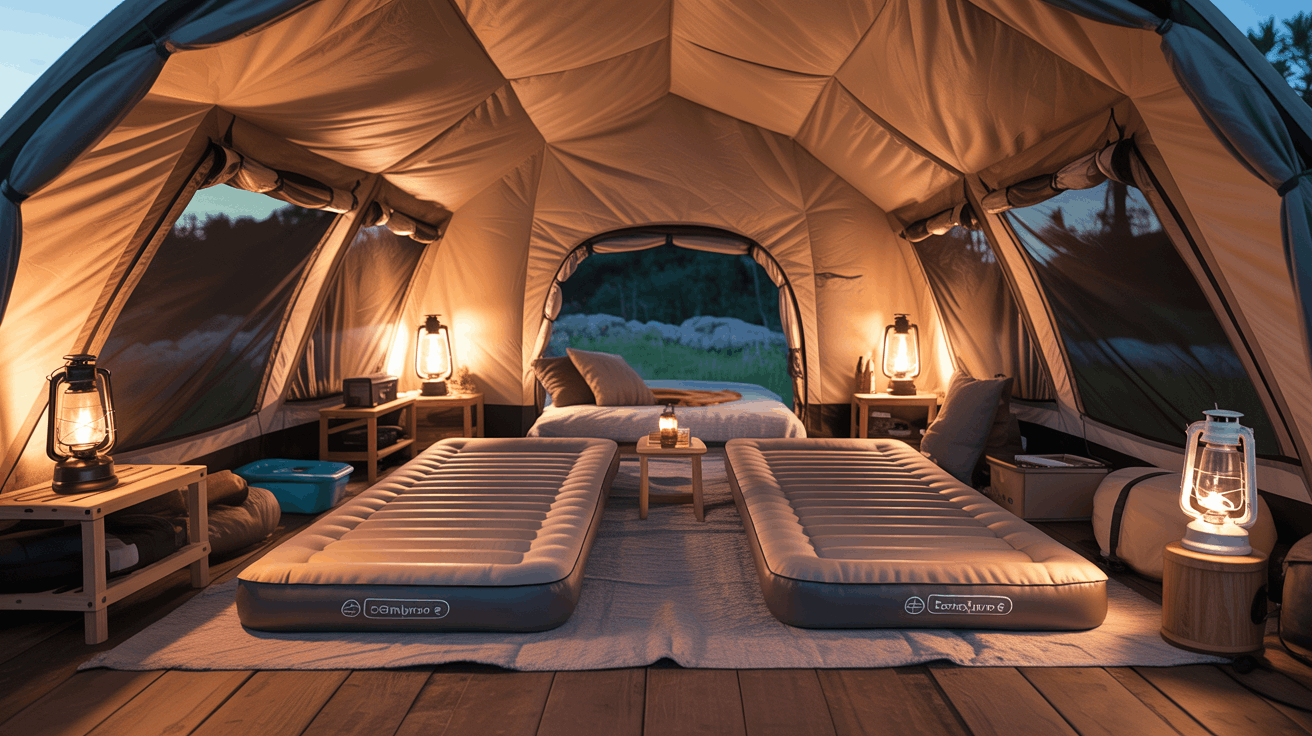
How you manage air pressure and pump reliability on a trip shapes shelter performance under rough conditions. Beam firmness keeps the structure true to its designed profile and reduces panel flutter during gusts.
Keeping beams at the right pressure as temperatures shift
Pressure drops when nights get cool. Check beam firmness before sleeping and after big temperature swings. Underinflated tubes bend too much and let fabric deform. Correct pressure helps the shelter resist load and recover after gusts.
Manual vs electric pumps: reliability and what to pack
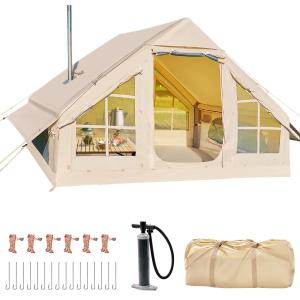
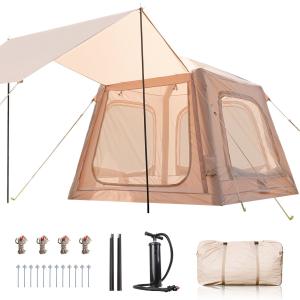
Electric pumps speed setup but add dependency on batteries or power. Manual pumps weigh less than many battery packs and are easy to fix in the field.
- Carry a small manual pump as a reliable backup.
- Add spare adapters and a battery pack if you use an electric unit.
- Label your pump fittings so you can swap hoses quickly.
High-pressure airframe concepts and bounce-back
Higher pressure gives stiffer beams and better bounce-back after a gust. That often means smaller-diameter tubes pumped to higher psi for rapid recovery.
Trade-off: greater pressure raises the impact of a breach and needs tougher materials.
"Treat pump choice as part of your safety gear; if beams are mission-critical, pump failure is a risk to plan for."
| Item | Typical weight | Why it matters |
|---|---|---|
| 1-person tent | 4.4 lbs | Light for car or short trips; heavier than sub-1 lb shelters |
| 2-person tent | 5.0 lbs | Good balance of space and durability for car camping |
| Air pump (manual) | 0.6 lbs | Reliable, low-tech backup for pressure maintenance |
| Electric pump | 1.2–2.0 lbs (with battery) | Faster setup but adds weight and failure points |
Simple field routine: morning check for guy tension and pegs, midday pressure check if temps change, and an evening re-tension after fabric relaxes. Pack spare adapters, a backup manual pump, and a charged battery if you rely on electric inflation.
Risk management in high winds: punctures, deflation, and emergency options

When pressurized beams start to lose air, the priorities are assessing structure, limiting tear spread, and choosing a safer plan fast.
What happens if one air beam fails and how to reduce collapse risk
Realistic failure modes: stake pull-out, guyline snap, fabric tear propagation, valve leaks, and punctures that lower beam pressure. Any of these can let a frame sag quickly.
If one beam fails, the shelter may partially collapse or lose its geometry fast. Models with isolated tubes often hold shape better than those with shared chambers. Redundant guying and a low-profile site reduce collapse risk.
Field repair basics for leaks, punctures, and seam stress
Quick repair steps: find the leak by sound or a soapy water check, dry and clean the area, apply a compatible patch and adhesive, then reinflate slowly while monitoring pressure. Test for continued air loss before trusting the shelter overnight.
Seam stress from repeated flapping causes stitch separation and webbing creep. Catch early signs—loose threads, puckering, or missing bar-tacks—and reinforce with webbing tape or short-term stitching if you can.
When to take the tent down and switch to a safer shelter plan
Take it down if anchors keep failing, beams repeatedly deflate, or structure movement threatens injury or a runaway shelter. Escalating conditions, failing pumps, or loss of tether points are clear triggers.
Safer emergency options include moving into a vehicle, pitching a low-profile tarp behind natural windbreaks, or relocating to a protected site. Prior planning and a repair kit make these options practical.
"Carry a compact repair kit and a clear exit plan; an air frame is fast to pitch but needs an equally fast fallback."
| Issue | Likely effect | Short-term fix | When to abandon |
|---|---|---|---|
| Single beam puncture | Partial sag or asymmetric load | Patch, re-inflate, add extra guylines | Rapid pressure loss despite patching |
| Valve leak | Gradual deflation over hours | Seal valve, use spare core or tape | Valve cannot hold after re-seat |
| Seam/webbing failure | Local tear can spread under load | Reinforce with tape or short stitches | Large seam opening or fabric tearing |
| Anchors pull out | Whole shelter lifts or shifts | Use heavier stakes, deadmen, or vehicle tie-off | Stakes repeatedly fail under sustained gusts |
Conclusion
Key point, a flexible air frame can perform well when matched to site and skill.
For campers, the main takeaway is clear: a properly pressurized inflatable tent with a streamlined shape and every anchor used can stand up better than it looks. Orient the narrow face toward gusts, stake early, inflate, guy out fully, and re-tension after the fabric settles.
When buying, favor strong materials, reinforced seams, and smart pegging locations rather than assuming all models behave the same. Carry a reliable pump and a compact backup so pressure management does not become a failure point.
If anchors keep failing or beams repeatedly lose pressure, take the tent down and move to a safer shelter plan. Practice setup before your trip and match shelter choice to expected weather and site exposure.
FAQ
Are air-beam shelters built to withstand strong gusts?
How do air beams compare with traditional pole frames in wind performance?
Why do flexible beams bend and absorb gusts rather than break?
When do traditional poles fail, and how do airframes act differently?
How do the tent shape and sail area affect resistance and stability?
What design features improve performance in rough weather?
How do fabric choice and seam construction matter for windy conditions?
Does beam diameter or higher internal pressure make a shelter stiffer?
What should I look for in pegging points and guy-out locations?
How can a quick setup time be used when conditions change rapidly?
How should I anchor the shelter fully before winds increase?
Which stake and guyline tips work for different ground conditions?
How tight should the pitch be to prevent flapping and abrasion?
When should I add weight, extra stakes, or upgraded guylines during gusty periods?
How do I manage beam pressure as temperature and weather shift on a trip?
Should I carry a manual or electric pump, and what backups are wise?
What does a high-pressure airframe mean for wind bounce-back?
What happens if one air beam fails, and how can I reduce collapse risk?
What are basic field repairs for leaks, punctures, and seam stress?
When should I take the shelter down and seek a safer option?
DISCLAIMER
This document is provided for general information purposes only and should not be relied upon as providing legal advice, technical, or specific operational guidance to the reader, whether as to the practices described in the document or the applicable legal requirements and regulations. bestcampingdeals.com expressly disclaims any responsibility for liability arising from or related to the use or misuse of any information in this document.