How to Find Free and Cheap Campsites

Exploring the vast wilderness of the United States offers an unmatched sense of freedom. We believe that everyone deserves the chance to sleep under the stars without breaking their budget. Learning how to find free and cheap campsites is the ultimate skill for any outdoor enthusiast looking to stretch their travel dollars further.
Our team relies on public lands and community-driven databases to locate hidden gems across the country. By mastering these resources, you can spend less on lodging and more time enjoying nature. This free camping guide provides the essential tools you need to navigate land designations and confidently plan your next great adventure.
Key Takeaways
- Utilize public lands like Bureau of Land Management areas for zero-cost stays.
- Leverage digital databases to verify site accessibility and local regulations.
- Prioritize Leave No Trace principles to protect our natural environments.
- Check seasonal weather patterns before planning your outdoor excursion.
- Always carry offline maps to navigate remote regions without cellular service.
Understanding Public Land Camping Opportunities
Discovering affordable camping options in the U.S. starts with knowing public land access. By understanding which agencies manage vast wilderness areas, you can avoid pricey private parks. This way, you can enjoy nature at a much lower cost.
Exploring Bureau of Land Management (BLM) Lands
The Bureau of Land Management manages millions of acres, mainly in the West. These areas are great for finding free camping sites for self-sufficient travelers.
BLM lands allow dispersed camping, letting you camp outside designated spots. You can stay in one spot for up to 14 days. After that, you must move at least 25 miles away.
Utilizing National Forest Dispersed Camping
National Forests offer lush landscapes and dense forests. Many prefer these areas for their low-cost camping options and secluded feel.
Dispersed camping is common here, as long as you follow local rules and stay on forest roads. Always check the ranger district website before you go to avoid fire restrictions or area closures.
Identifying State-Managed Low-Cost Areas
Many states have hidden gems in Wildlife Management Areas and state forests. These spots are often missed by the public, making them idea,l affordable campgrounds for those seeking tranquility.
While some areas might need a permit or hunting license, the costs are much lower than at commercial sites. Exploring these state-managed zones is a smart way to find affordable camping locations that are less crowded.
| Land Type | Typical Cost | Stay Limit | Primary Benefit |
|---|---|---|---|
| BLM Land | Free | 14 Days | Open desert access |
| National Forest | Free | 14 Days | Forest seclusion |
| State Wildlife Areas | Low Fee | Varies | Local wildlife viewing |
Essential Digital Tools and Apps to Find Free and Cheap Campsites
Today, finding free campsites near me is much easier thanks to technology. We no longer drive around hoping to find a spot. Now, we use apps to plan our trips and find safe places to camp.
Leveraging Campendium for Real-Time Reviews
Campendium is a top choice for finding camping deals. It's powered by user reviews and updates. This helps us make smart choices before we get to a campsite.
Using iOverlander for Off-Grid Locations
iOverlander is key for finding low-cost campsites. It's perfect for those who love remote spots. It's not found on regular booking sites.
Filtering Results on FreeRoam and The Dyrt
FreeRoam and The Dyrt help us find cheap camping grounds. They let us filter by map layers. This makes it easy to find what we need.
How to set filters for price and amenities
To find budget-friendly campsites, use filters wisely. Set the price to zero for free sites. Then, choose amenities like toilets or fire rings.
Verifying site accessibility for different vehicle types
Using a free campsite locator is just the start. Make sure your vehicle can get there. Check comments for road info. RV owners should look for big-rig friendly tags.
| App Name | Primary Strength | Best For |
|---|---|---|
| Campendium | Cell Signal Data | Digital Nomads |
| iOverlander | Remote Locations | Off-Grid Explorers |
| The Dyrt | User Reviews | Planning Trips |
| FreeRoam | Public Land Maps | Finding Free Sites |
Navigating Regulations and Leave No Trace Principles

Choosing to camp for free means we must care for the wilderness. Our actions help decide if these places stay open for others. By following rules, we make sure our visit doesn't harm the environment.
Understanding Stay Limits on Public Lands
Public lands, like those managed by the Bureau of Land Management or the Forest Service, have stay limits. These rules help everyone enjoy these areas fairly. You usually can stay for 14 days within a 30-day period.
Always check the local office website or signs before camping. Exceeding these limits can result in fines or site closures. We must respect these rules to keep our favorite spots open.
Practicing Responsible Waste Management
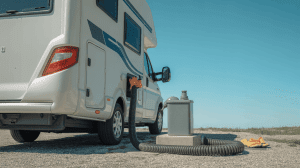
Proper waste disposal is key to Leave No Trace. If there are no facilities, pack out everything you brought in. This includes food, trash, and human waste.
In primitive areas, using a portable toilet system is a good idea. Never bury waste near water, as it can harm the ecosystem. Keeping the area clean shows respect for the land.
Respecting Wildlife and Local Ecosystems
We are guests in wildlife's homes. It's important to keep a safe distance and never feed them. Store food in bear-resistant containers to avoid attracting animals.
Also, camp on durable surfaces like gravel or rock to avoid damaging plants. Staying on paths protects the ecosystem's balance.
Fire safety protocols and seasonal restrictions
Fire safety is crucial when camping. Always check if there are fire bans or seasonal restrictions before lighting a fire. Dry months can make fires very dangerous.
If fires are allowed, keep them small and in fire rings. Make sure your fire is out before leaving or sleeping. Never leave a fire alone, even briefly.
| Practice | Action Required | Impact |
|---|---|---|
| Waste Disposal | Pack out all trash | Prevents pollution |
| Fire Safety | Use existing rings | Reduces wildfire risk |
| Wildlife | Store food securely | Protects animal health |
| Stay Limits | Follow posted rules | Ensures fair access |
Strategic Planning for Budget-Friendly Camping Trips

We think that camping on a budget begins long before you pack. By planning ahead, you can find affordable camping options that others miss. This way, you can enjoy more time outdoors without spending too much.
Timing Your Trips for Off-Peak Discounts
Traveling during the shoulder season is a great camping-on-a-budget suggestion. Many affordable campgrounds lower their rates when summer crowds leave. Visiting popular spots in late spring or early autumn can save you money.
Joining Camping Membership Programs
Membership clubs are great for finding low-cost camping options nationwide. They give you access to private spots or discounts at commercial parks. For a small annual fee, you can save a lot, making it worth it after just a few trips.
Benefits of Passport America and Harvest Hosts
Passport America gives you a 50% discount at many parks, offering camping deals. Harvest Hosts connects you with unique places, such as wineries and museums. These memberships let you save money on camping and have a more memorable trip than usual.
Mapping Routes to Minimize Fuel Costs
Fuel costs are often the biggest expense for campers on the road. Use mapping tools to plan efficient routes. This can help you avoid high fuel costs by steering clear of steep mountains and busy roads.
| Strategy | Primary Benefit | Estimated Savings |
|---|---|---|
| Off-Peak Travel | Lower nightly rates | 20% - 40% |
| Membership Clubs | Discounted site fees | 50% per night |
| Route Optimization | Reduced fuel consumption | 10% - 15% |
Pro Tips for Securing Inexpensive Outdoor Accommodations
Finding inexpensive outdoor accommodations is a mix of tech and research. Apps are good for a start, but the best spots are often hidden. With these tips, you can find great places that won't break the bank.
Scouting Locations via Satellite Imagery
Using tools like Google Earth is a top low-cost camping tip. It shows clearings and roads not on regular maps. Look for flat spots near water or under trees for wind protection.
Make sure these spots are public land before you go. Use satellite images and official maps to stay legal. This way, you avoid crowds and find peace.
Communicating with Ranger Stations
Calling a local ranger station is very helpful. They know the area well and can suggest inexpensive camping spots not online. They also give updates on roads, fires, and wildlife.
Be clear about your vehicle and how private you want to be. Rangers share secrets with polite, prepared visitors. This direct contact ensures a great trip.
Managing Expectations for Primitive Sites
Budget-friendly campsites mean no luxury. They lack running water, electricity, and trash services. You must take out all trash to keep places clean for others.
Being self-sufficient is key to enjoying these spots. Without hookups, you can explore more public land. The quiet and beauty are worth it.
Essential gear for self-sufficient camping
To master cheap campground hacks, you need the right gear. Being self-reliant lets you stay longer and explore more. Here's a comparison to help you prepare.
| Gear Category | Primitive Camping | Developed Campground |
|---|---|---|
| Water Supply | Portable filtration system | On-site spigot |
| Waste Disposal | Pack-it-out protocol | Dumpsters provided |
| Power Source | Solar panels or batteries | Electrical hookups |
| Privacy Level | High (Isolated) | Low (Shared space) |
Conclusion
Learning to travel on a budget changes how you see the wilderness. Finding free and cheap campsites lets you explore far-off places without spending a lot.
Try these tips on your next trip across the United States. Whether you like the wild BLM areas or the quiet of National Forests, being prepared is key.
Digital tools like Campendium and iOverlander help you find great spots. They make finding free and cheap campsites easy and legal.
Being a good camper is crucial. Always take your trash with you and respect nature. This way, we keep public lands beautiful for others to enjoy.
We hope this guide helps you on your travels. Get your camping gear ready, plan your trip, and enjoy the quiet of off-grid living.
FAQ
Q: How do we initiate a comprehensive budget-friendly campsite search across the United States?
Q: What are some effective, cheap campground hacks for reducing nightly fees at established parks?
Q: Which platforms serve as the most reliable free campsite locator for off-grid travel?
Q: How can we find free campsites near me when we are traveling through more developed regions?
Q: What are the best websites for camping deals and booking low-cost stays?
Q: What low-cost camping tips help us maintain a minimal footprint while we save money on camping?
Q: What are some practical camping on a budget suggestions for first-time travelers?
DISCLAIMER
This document is provided for general information purposes only and should not be relied upon as providing legal advice, technical, or specific operational guidance to the reader, whether as to the practices described in the document or the applicable legal requirements and regulations. bestcampingdeals.com expressly disclaims any responsibility for liability arising from or related to the use or misuse of any information in this document.