How to Childproof Your Campsite: The Complete Safety Guide for Parents
Camping with kids creates lasting memories and wonderful opportunities to connect with nature, but it also comes with unique safety challenges. The great outdoors offers endless adventures for curious little explorers, which is precisely why childproofing your campsite is essential. This comprehensive guide will walk you through practical steps to create a safe camping environment where your children can explore, learn, and play while giving you peace of mind. From selecting the right location to establishing clear boundaries, we've covered everything you need to know to enjoy a worry-free family camping trip.
Why Childproofing Your Campsite Matters
Unlike your home, a campsite presents unfamiliar hazards in an environment you don't control. Children are naturally curious and may not recognize outdoor dangers like fire pits, wildlife, poisonous plants, or water hazards. By taking proactive steps to childproof your campsite, you create a safer space where kids can experience the joys of camping while minimizing risks.

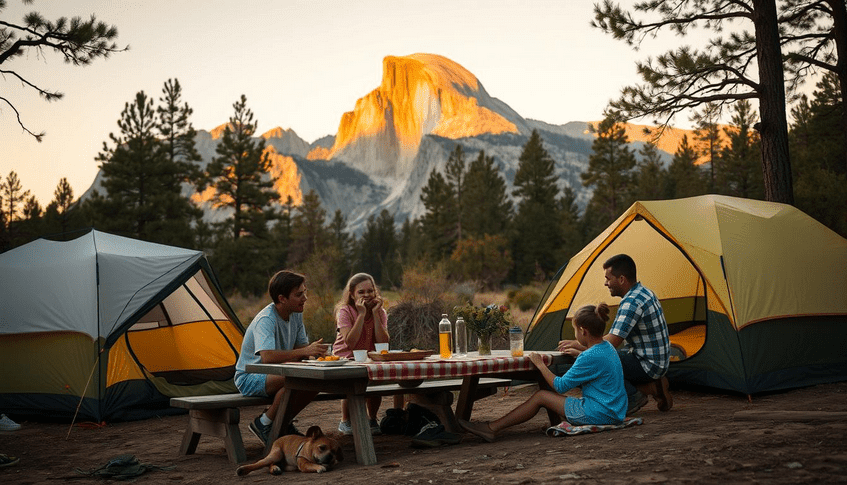
Setting clear boundaries is the first step in childproofing your campsite
Remember: Childproofing isn't about eliminating all risk—it's about setting appropriate boundaries, teaching safety rules, and supervising effectively so your children can enjoy the camping experience safely.
Before You Go: Planning and Preparation
Choosing a Child-Friendly Campsite
The first step in childproofing begins before you even leave home—with careful campsite selection. Not all campsites are created equal when it comes to family safety.
- Research campground amenities - Look for family-friendly campgrounds with amenities like playgrounds, shallow swimming areas, and clean restrooms.
- Check the terrain - Avoid campsites with steep drop-offs, fast-moving water, or other obvious hazards.
- Consider proximity to facilities - Choose sites close to bathrooms to avoid long nighttime walks.
- Look for natural boundaries - Sites with natural perimeters like small clearings surrounded by bushes can help contain little ones.
- Read reviews from other families - Their experiences can provide valuable insights about child safety at specific campgrounds.
Essential Safety Gear to Pack
Having the right safety equipment can make childproofing your campsite much easier. Consider adding these items to your packing list:

Boundary & Visibility Items
- Colorful rope or flagging tape - To mark boundaries around your campsite
- Portable play yard - Creates a safe, contained space for toddlers
- Glow sticks or LED bracelets - Helps track kids after dark
- Child-sized flashlights - Give kids independence while keeping them visible
- Bright colored clothing - Makes children easier to spot in wooded areas
Safety & First Aid
- Comprehensive first aid kit - Include child-specific items like pediatric medications
- Child ID bracelets - With your phone number and campsite information
- Whistle - Teach children to use in emergencies
- Child-safe insect repellent - Protect from bites and stings
- Sunscreen - Prevent painful burns that can ruin a trip
Prepare With Confidence
Having the right safety gear makes all the difference. Check out our recommended child-friendly camping safety kit with all the essentials.
View Recommended Safety GearSetting Up a Safe Campsite
Once you arrive at your campsite, how you set up your temporary home will significantly impact your children's safety. Take time to organize your space with childproofing in mind.
Creating Physical Boundaries
One of the most effective ways to childproof your campsite is to establish clear physical boundaries that help children understand where they can and cannot go.

- Use colorful rope or flagging tape - Create a visual perimeter by tying rope between trees around your campsite at child height.
- Set up a play yard - For very young children, a portable play yard provides a completely safe space for play while you're setting up or cooking.
- Create zones within your campsite - Designate specific areas for cooking, sleeping, playing, and storage to keep dangerous items contained.
- Mark off-limits areas - Use red tape or signs to clearly mark dangerous areas like the fire pit or cooking station.
- Establish pathways - Create clear paths to important areas like the bathroom to prevent kids from wandering off-trail.
"When we first started camping with our toddlers, creating visible boundaries around our campsite was a game-changer. They quickly learned where they could play freely and where they needed permission to go."
Safe Sleeping Arrangements
Nighttime safety requires special consideration when camping with children. Here's how to create safe sleeping arrangements:

- Position sleeping bags strategically - Place children's sleeping bags in the center of the tent, away from walls, where condensation can make them wet.
- Use appropriate sleeping gear - For toddlers, consider a portable travel bed or padded sleeping mat to keep them comfortable and contained.
- Install a nightlight - A small battery-powered light helps children navigate the tent at night without tripping.
- Create clear pathways - Arrange gear along tent walls to create obvious pathways to the exit.
- Consider tent placement: set up your tent away from potential hazards such as dead trees or steep slopes.
Important Safety Tip: Never leave children unattended in a tent during hot weather. Tents can quickly become dangerously hot, even in shaded areas. Check tent temperature frequently and ensure proper ventilation.
Fire Safety: Protecting Curious Hands
Campfires are often the heart of the camping experience, but they present significant dangers to children. Creating strict fire safety protocols is essential when childproofing your campsite.

Creating a Fire Safety Zone
- Establish a "fire safety zone" - Create a visible boundary around the fire pit using rocks or logs that children understand they cannot cross without an adult.
- Implement the "one big step" rule - Teach children to stay at least "one big step" away from the fire ring at all times.
- Designate fire-safe seating - Position camping chairs at a safe distance for children to enjoy the fire without being too close.
- Keep fire tools out of reach - Store matches, lighters, fire starters, and pokers where children cannot access them.
- Never leave the fire unattended - Always have at least one adult actively supervising when the fire is lit.
Teaching Children Fire Safety Rules
- Walk, don't run, near the fire area
- Ask permission before approaching the fire
- No throwing anything into the fire
- No playing with sticks near the fire
- Stop, drop, and roll if clothing catches fire
Pro Tip: Practice a fire safety drill with your children before lighting your first campfire. Show them how to stop, drop, and roll, and establish a meeting point in case of emergency.
Water Safety Near Your Campsite
Many campsites are located near water features like lakes, rivers, or streams. Water presents one of the most serious safety concerns when camping with children and requires vigilant supervision.

- Establish strict water boundaries - Make it clear that children may never approach water without adult supervision.
- Use physical barriers when possible - If camping near water, set up your site with the tent entrance facing away from water and create a barrier with gear.
- Always use life jackets - Children should wear properly fitted life jackets when playing near or in water, regardless of swimming ability.
- Implement the buddy system - Even older children should use the buddy system near water.
- Check water conditions - Be aware of currents, underwater hazards, and water temperature before allowing supervised water play.
Critical Safety Rule: Children should NEVER be near water without direct adult supervision, even if they know how to swim. Designate a specific "water watcher" adult whose sole responsibility is watching children in or near water.
Wildlife Safety and Food Storage
Encountering wildlife is part of the camping experience, but it's important to teach children safe wildlife practices and properly secure food to avoid attracting animals to your campsite.

Teaching Children Wildlife Safety
- Observe from a distance - Teach children to enjoy wildlife from afar and never approach or touch wild animals, no matter how small or cute they may seem.
- No feeding wildlife: Explain that human food is unhealthy for animals and that feeding them makes them dependent on people.
- Make noise on trails - Teach children to talk, sing, or make noise while hiking to alert animals of your presence.
- Identify local wildlife - Learn about local animals together and discuss which ones to be especially cautious around.
- Know what to do - Teach age-appropriate responses for encountering common wildlife in your camping area.
Proper Food Storage
- Use wildlife-resistant containers - Store all food, trash, and scented items in proper containers.
- Clean up immediately: wipe down tables, pick up crumbs, and wash dishes promptly after meals.
- Never store food in tents - Keep all food, candy, snacks, and scented items out of sleeping areas.
- Follow campground regulations - Use provided food lockers or bear-proof containers where required.
- Teach children food safety rules - Make proper food storage a family responsibility that children help with.
Remember: Even "non-food" items like toothpaste, soap, and lip balm can attract wildlife. Store all scented items securely with your food.
Teaching Children Campsite Safety Rules
Establishing and consistently enforcing clear safety rules is one of the most important aspects of childproofing your campsite. Children are more likely to follow rules they understand and that are consistently applied.

Essential Campsite Rules for Children
- Always stay within established boundaries - Children should know exactly where they can and cannot go.
- Use the buddy system - Even for short walks to the bathroom, children should never go alone.
- Ask before eating anything - No berries, plants, mushrooms, or unknown foods.
- Wear shoes at all times - Protect feet from injury, bites, and poisonous plants.
- Check in regularly - Establish regular check-in times if older children are exploring nearby.
- Know how to use the emergency whistle: three blasts mean "I need help."
- Stay away from other campsites - Respect others' space and privacy.
- Tell an adult before going anywhere - Always get permission before leaving the campsite area.
Making Rules Stick: Tips for Parents
- Review rules before arrival - Discuss campsite rules before your trip and again upon arrival.
- Use visual aids: create a simple illustrated rule chart for younger children.
- Explain the "why" - Children are more likely to follow rules when they understand the reasoning.
- Practice scenarios - Role-play different situations to reinforce proper responses.
- Be consistent - All adults should enforce the same rules consistently.
"We turn our safety rules into a game. Each morning, we review our 'Camping Rangers Code' and the kids earn ranger badges (stickers) for following safety rules throughout the day. It makes safety fun rather than restrictive."
Emergency Preparedness
Even with the best childproofing measures, emergencies can happen. Being prepared for potential emergencies is crucial to camping safely with children.

Creating an Emergency Plan
- Know your exact location - Write down your campsite number, campground name, and nearest cross streets or landmarks.
- Identify nearest emergency services - Research the closest hospital, ranger station, and emergency phone.
- Create a family meeting spot - Designate a specific location where everyone should gather in an emergency.
- Teach children how to get help - Show older children how to find a camp host or neighboring campsite if needed.
- Pack a comprehensive first aid kit - Include child-specific medications and supplies.
Emergency Information Card
Create an emergency information card for each child to carry (or have attached to their clothing for younger children):
Child's Emergency Card Should Include:
- Child's name
- Parent/guardian names and cell numbers
- Campsite number and campground name
- Any critical medical information (allergies, conditions)
- Emergency contact (someone not on the trip)
Critical Reminder: Always have a fully charged phone available for emergencies, and know where the nearest location with reliable cell service is located if your campsite doesn't have coverage.
Daily Safety Checks
Maintaining a childproofed campsite requires regular safety checks. Make these quick inspections part of your daily camping routine.

- Morning perimeter check - Inspect boundaries and markers to ensure they're still visible and intact.
- Equipment inspection - Check tent stakes, guy lines, and any ropes for tripping hazards.
- Fire pit assessment - Ensure the fire is completely out and the area is secure.
- Food and trash audit - Verify all food and trash is properly stored, especially after meals.
- Weather awareness: Check the forecast and prepare for changing conditions that could affect safety.
- Water source check - If camping near water, check for any changes in water level or conditions.
- First aid kit verification - Ensure it's accessible and check if any supplies need replenishing.
Pro Tip: Involve older children in age-appropriate safety checks. This teaches responsibility and reinforces the importance of safety measures.
Enjoying a Safe Family Camping Adventure
Childproofing your campsite doesn't mean eliminating all fun or creating an overly restrictive environment. Rather, it's about creating appropriate boundaries and safety measures that allow children to explore and enjoy nature safely while giving parents peace of mind.

By taking the time to properly childproof your campsite, establish clear rules, and prepare for emergencies, you're setting the stage for wonderful family memories in the great outdoors. Remember that children learn by watching—model good outdoor safety practices yourself, and your children will follow your lead.
With each camping trip, you'll refine your childproofing techniques and discover what works best for your family. The effort you put into creating a safe camping environment pays off in the joy of watching your children develop confidence, skills, and a love for nature that will last a lifetime.
Get Your Free Campsite Childproofing Checklist
Never forget an important safety measure! Download our comprehensive campsite childproofing checklist to ensure you've covered all the bases for your next family camping adventure.
Download Free ChecklistFrequently Asked Questions
At what age can children safely go camping?
Children of any age can go camping with proper preparation. Even infants can enjoy camping if parents bring appropriate gear, such as portable cribs, and are prepared for their specific needs. The key is to adjust your expectations and safety measures based on your child's age and developmental level.
How do I childproof a tent?
To childproof a tent, secure all guy lines with bright flagging tape to prevent tripping, use rounded rather than sharp stakes, create clear pathways to the entrance, keep small items that could be choking hazards contained, and use a small nightlight for visibility. For toddlers, consider using a portable play yard inside a larger family tent for sleeping.
What's the best way to keep track of children at a busy campground?
Dress children in bright, distinctive clothing that's easy to spot. Consider using whistle necklaces for emergencies, ID bracelets with your contact information, and establish regular check-in times. For younger children, maintain visual contact at all times or use a portable play yard. Some families use walkie-talkies for older children exploring nearby.
How do I teach my child what to do if they get lost while camping?
Teach children the "hug a tree" principle—if they realize they're lost, they should stop, stay put, and hug a tree until found. Show them how to use a whistle (three blasts is a universal distress signal) and make sure they know their full name, your name, and campsite number. Practice what to do before your trip through role-playing scenarios.
DISCLAIMER
This document is provided for general information purposes only and should not be relied upon as providing legal advice, technical, or specific operational guidance to the reader, whether as to the practices described in the document or the applicable legal requirements and regulations. Best Camping Deals expressly disclaims any responsibility for liability arising from or related to the use or misuse of any information in this document.