Best Campsites on the Appalachian Trail: A Hiker's Guide

The iconic Appalachian Trail offers breathtaking views and memorable camping experiences
Stretching nearly 2,200 miles across 14 states, the Appalachian Trail offers hikers more than just a path through America's eastern wilderness—it provides a home away from home with over 260 shelters and 125 established campsites. Whether you're planning a weekend getaway or a thru-hike adventure, choosing the right place to rest your head can transform your experience from merely memorable to truly magical.
The perfect campsite offers more than just flat ground for your tent. It promises stunning views, reliable water sources, and sometimes the camaraderie of fellow hikers sharing stories around a fire ring. In this guide, we've selected the absolute best campsites along the Appalachian Trail, from Georgia's southern terminus to Maine's majestic wilderness.
Before You Hit the Trail: Remember that all campsites along the AT have specific rules and regulations. Familiarize yourself with these before setting out, as they vary by state and land management area. Practice Leave No Trace principles and check current conditions with the Appalachian Trail Conservancy.
Best Campsites in the Southern Section (GA, NC, TN)

Plum Orchard Shelter, Georgia (Mile 14.4)
Located near the Georgia-North Carolina border, Plum Orchard Shelter offers a unique three-story lodging experience that's perfect for hikers tackling their first section of the AT. This shelter serves as the last overnight spot in Georgia for northbound hikers and provides an excellent staging area before tackling Dicks Creek Gap.
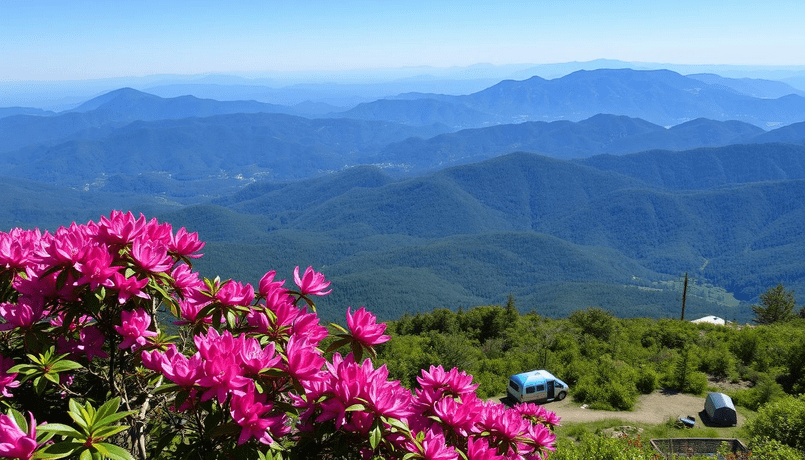
The shelter area features multiple tent sites, reliable water access, and is surrounded by beautiful rhododendron bushes that bloom spectacularly in late spring. Its strategic location makes it popular among both section hikers and thru-hikers preparing for the challenges ahead.
Hiker Tip: This shelter can get crowded during peak season (March-May). Arrive early to secure a spot or be prepared with a hammock setup that gives you more flexibility in finding a place to sleep.
Nantahala Outdoor Center (NOC), North Carolina (Mile 137.3)

The NOC is much more than just a campsite—it's a full-fledged outdoor recreation hub where the AT crosses the Nantahala River. While technically not a traditional campsite, the NOC offers hikers comfortable cabin accommodations, restaurant options, and a gear shop for resupply needs.
What makes this location special is the opportunity to rest in comfort before tackling the challenging climbs ahead. The NOC campus provides shower facilities, laundry services, and the chance to enjoy a proper meal. For those wanting a more traditional camping experience, there are tent sites available a short distance away.
Planning Your NOC Stay
The NOC offers various accommodation options from bunkhouses to private cabins. During peak season (April-October), reservations are highly recommended.
Check AvailabilityRoan Mountain, Tennessee (Mile 375.5)

Roan Mountain stands as one of the crown jewels of the southern Appalachian Trail. The entire State Park offers numerous camping options, from the Roan High Knob Shelter (the highest shelter on the entire AT at 6,285 feet) to designated tent sites throughout the area.
What makes Roan Mountain truly special is its spectacular natural beauty. In June, the mountain's famous rhododendron gardens explode with color, creating one of the most breathtaking displays on the entire trail. The high-elevation balds offer 360-degree views that stretch for miles across multiple states.
Pros
- Spectacular mountain views across multiple states
- World-famous rhododendron gardens (peak bloom in June)
- Multiple camping options from shelters to tent sites
- Accessible from nearby towns (2 hours from Knoxville)
Cons
- Extremely popular during peak season
- Can experience severe weather due to high elevation
- Limited water sources on the balds
- Shelter often fills up quickly
Best Campsites in the Central Section (VA, WV, MD, PA)

Quarry Gap Shelter, Pennsylvania (Mile 1,065)
Often cited as the "Ritz-Carlton" of Appalachian Trail shelters, Quarry Gap is renowned for its exceptional maintenance and charming details. Located near the trail's halfway point, this double shelter sits in a beautiful rhododendron grove and features flower gardens, decorative stonework, and even a small sitting area between the two structures.
What makes Quarry Gap truly special is the dedication of its longtime caretaker, Jim Stauch, who has transformed this shelter into a work of art. The meticulously maintained grounds, swept floors, and thoughtful touches make this a must-stay location for any AT hiker.
"Quarry Gap isn't just a shelter—it's a testament to how one person's dedication can create a magical experience in the wilderness. Don't miss it."
Catawba Mountain/McAfee Knob Area, Virginia (Mile 713)

McAfee Knob is perhaps the most photographed spot on the entire Appalachian Trail, and camping in the vicinity offers hikers the chance to catch both sunset and sunrise at this iconic location. While camping is not permitted at the Knob itself, several designated camping areas nearby provide excellent options.
The Campbell Shelter, located about 1.5 miles north of McAfee Knob, offers a three-sided shelter with tent sites and a reliable water source. For those hiking southbound, Johns Spring Shelter and Catawba Mountain Shelter provide good alternatives. Remember that this area has seen increased use in recent years, so proper camping etiquette is essential.
Important: Camping is strictly prohibited in the immediate vicinity of McAfee Knob. Use only designated camping areas and follow all regulations. Rangers actively patrol this popular area, and fines for illegal camping can be substantial.
Harpers Ferry Area, West Virginia (Mile 1,023)

The historic town of Harpers Ferry marks the psychological halfway point of the Appalachian Trail and offers unique camping opportunities. While the town itself provides hostel accommodations and B&Bs, nearby camping options give hikers a chance to experience this historic area while maintaining their connection to the trail.
The Harpers Ferry/Civil War Battlefields KOA offers tent sites with amenities including showers and laundry. For a more traditional experience, the Ed Garvey Shelter, located about 6 miles north of town, provides a beautiful ridge-top camping experience with a two-level shelter and multiple tent sites.
| Campsite Option | Distance from ATC HQ | Amenities | Cost |
| Ed Garvey Shelter | 6.1 miles north | Shelter, privy, tent sites, water source | Free |
| Harpers Ferry/Civil War KOA | 2.5 miles | Showers, laundry, camp store, Wi-Fi | $25-45/night |
| Teahorse Hostel | 0.7 miles | Bunk beds, shower, breakfast, resupply | $35/night |
Best Campsites in the Northern Section (NY, CT, MA, VT, NH, ME)

Upper Goose Pond Cabin, Massachusetts (Mile 1,548)
Upper Goose Pond Cabin offers one of the most unique and beloved camping experiences on the entire Appalachian Trail. This fully enclosed cabin sits on the shore of a pristine mountain lake and is maintained by caretakers during the hiking season (typically mid-May through mid-October).
What makes this location special is the combination of amenities and natural beauty. Hikers can enjoy swimming in the clear lake waters, borrow canoes to paddle to a small island, and even wake up to fresh-made pancakes prepared by the caretaker. The cabin features bunks for sleeping, but tent sites are also available for those who prefer their own space.
Pancake Tip: If you gather wild blueberries from the surrounding area, the caretaker will often incorporate them into the morning pancakes—a trail tradition not to be missed!
The Lookout, Vermont (Mile 1,718)

The Lookout is a private cabin that has been made available to Appalachian Trail hikers and offers one of the most spectacular overnight experiences on the trail. What makes this location extraordinary is its observation deck on the roof, providing 360-degree views of Vermont's Green Mountains.
The cabin itself is a simple structure with four walls and a roof—a luxury on the AT—but the real draw is the opportunity to watch sunset and sunrise from the elevated deck. There's space for tenting around the cabin, but many hikers choose to sleep on the front porch or even on the observation deck (weather permitting) for an unforgettable night under the stars.
Antlers Campsite, Maine (Mile 2,138)

Deep in Maine's 100-Mile Wilderness, Antlers Campsite offers one of the most picturesque camping experiences on the northern Appalachian Trail. Situated on the shore of Jo-Mary Lake, this campsite provides stunning views, swimming opportunities, and the chance to see wildlife including moose and loons.
The campsite features multiple tent sites, several fire rings, and direct access to the lake's shoreline. On clear nights, the lack of light pollution makes this an excellent spot for stargazing, and some lucky hikers have even reported seeing the Northern Lights from this location during late summer and fall.
What Makes Antlers Special:
- Pristine lakefront location with swimming access
- Multiple established tent sites and fire rings
- Opportunity to forage for wild mussels and berries
- Excellent wildlife viewing (moose, loons, eagles)
When to Visit:
- July-August: Warmest swimming weather
- September: Fewer bugs, beautiful foliage
- October: Potential for Northern Lights viewing
- Avoid June (black fly season)
Essential Tips for Camping on the Appalachian Trail

Leave No Trace Principles
The Appalachian Trail's continued existence as a wilderness experience depends on hikers following Leave No Trace (LNT) principles. These guidelines help minimize human impact on the trail environment:
- Plan ahead and prepare for your specific section
- Camp and travel on durable surfaces (established sites)
- Dispose of waste properly (pack it out or use privies)
- Leave what you find (no taking plants or artifacts)
- Minimize campfire impacts (use established fire rings)
- Respect wildlife (store food properly, observe from distance)
- Be considerate of other visitors (keep noise down, share shelters)
Bear Safety and Food Storage
Bears are present throughout the Appalachian Trail, making proper food storage essential. Different sections of the trail have different requirements:
- In Georgia, bear canisters are required in the Blood Mountain Wilderness area
- In the Smokies, all shelters have cable systems for hanging food bags
- In many northern sections, bear boxes are provided at popular campsites
- Where no systems exist, use the PCT method to hang food at least 12 feet high and 6 feet from any trunk
Remember: Never store food, toiletries, or scented items in your tent. Even items like Chapstick, toothpaste, and certain medications should be stored with your food away from your sleeping area.
Water Sources and Purification
While the Appalachian Trail has numerous water sources, all water should be treated before consumption. Carry at least one of these purification methods:
Filtration
Mechanical filters remove protozoa and bacteria. Popular options include the Sawyer Squeeze and Katadyn BeFree systems.
Chemical Treatment
Tablets or drops like Aquamira or iodine kill pathogens but may leave an aftertaste.
UV Purification
Devices like SteriPEN use ultraviolet light to neutralize microorganisms in clear water.
Plan Your Appalachian Trail Adventure
Get the latest trail conditions, shelter updates, and water reports before your trip.
Visit the ATC WebsiteRecommendations for Different Experience Levels

Beginner-Friendly Campsites
If you're new to backpacking or the Appalachian Trail, these campsites offer easier access, reliable facilities, and often have nearby bail-out options if needed:
Nantahala Outdoor Center (NOC)
With on-site amenities, restaurants, and easy road access, the NOC provides a comfortable introduction to AT camping with the security of civilization nearby.
- Mile 137.3 in North Carolina
- Full facilities, including showers
- Gear shop for emergency supplies
Harpers Ferry Area
The psychological halfway point offers various camping options with the security of a historic town nearby for resupply or unexpected needs.
- Mile 1,023 in West Virginia
- Multiple camping options
- Access to town amenities
Partnership Shelter
This unique shelter near Marion, VA, allows hikers to order pizza delivery! It's also near the Mount Rogers Visitor Center, which has flush toilets and running water.
- Mile 532 in Virginia
- Shower facilities
- Phone access for pizza delivery
Advanced/Remote Campsites
For experienced backpackers seeking solitude and wilderness immersion, these remote campsites offer spectacular settings but require more preparation and self-sufficiency:
Nahmakanta Lake
Deep in Maine's 100-Mile Wilderness, this remote lakeside campsite offers pristine views and true wilderness experience with no easy exit points.
- Mile 2,151 in Maine
- Pristine lake setting
- No facilities or easy access
Glastenbury Mountain
This remote Vermont mountain offers a fire tower with spectacular views but requires navigating a challenging section of trail to reach.
- Mile 1,621 in Vermont
- Fire tower with 360° views
- Remote location with limited access
Mink Brook Stealth Site
This hidden gem in New Hampshire features a small island in the middle of a creek, offering a secluded camping experience for those who know where to look.
- Mile 1,756 in New Hampshire
- Secluded creek-side location
- Limited space (2-3 tents maximum)
Embracing the Spirit of the Appalachian Trail

The best campsites on the Appalachian Trail offer more than just a place to pitch your tent—they provide windows into the soul of this iconic footpath. From Georgia's rhododendron-lined hollows to Maine's pristine lakes, each location tells a story about the land, its history, and the community of hikers who have passed through before you.
As you plan your own Appalachian adventure, remember that the true magic of these campsites comes not just from their physical beauty but from the experiences you'll have there—the fellow hikers you'll meet, the stories you'll share around flickering fires, and the moments of solitude that connect you to something larger than yourself.
The Appalachian Trail has been preserved for future generations through the dedication of countless volunteers, trail maintainers, and responsible hikers. By practicing Leave No Trace principles and respecting the regulations at each campsite, you help ensure that these special places remain pristine for those who follow in your footsteps.
Support Appalachian Trail Conservation
Help preserve the trail and its campsites for future generations of hikers.
Volunteer DonateHow many campsites are on the Appalachian Trail?
The Appalachian Trail features approximately 260 shelters and 125 designated campsites along its nearly 2,200-mile route. Additionally, many sections of the trail (particularly in National Forests) allow dispersed camping following specific guidelines.
Do I need permits to camp on the Appalachian Trail?
Permit requirements vary by location. Some areas like Great Smoky Mountains National Park, Shenandoah National Park, and Baxter State Park require permits for overnight stays. Most other sections don't require permits, but always check current regulations before your trip.
What's the best time of year to camp on the Appalachian Trail?
For most sections, late spring through early fall (May-October) offers the best camping conditions. Southern sections can be hiked year-round, while northern sections (especially in New Hampshire and Maine) are best visited from June through September to avoid severe weather.
DISCLAIMER
This document is provided for general information purposes only and should not be relied upon as providing legal advice, technical, or specific operational guidance to the reader, whether as to the practices described in the document or the applicable legal requirements and regulations. Best Camping Deals expressly disclaims any responsibility for liability arising from or related to the use or misuse of any information in this document.