Best Camping Spots in The State of Washington: Top Parks & Campgrounds
Washington has some of the most diverse camping experiences in the country. Misty rainforests, rugged coastlines, alpine lakes, and volcanic peaks all call out to be explored.
The best camping spots in Washington let us experience the outdoors through peaceful forests, ocean views, and mountain air—all within a few hours’ drive.
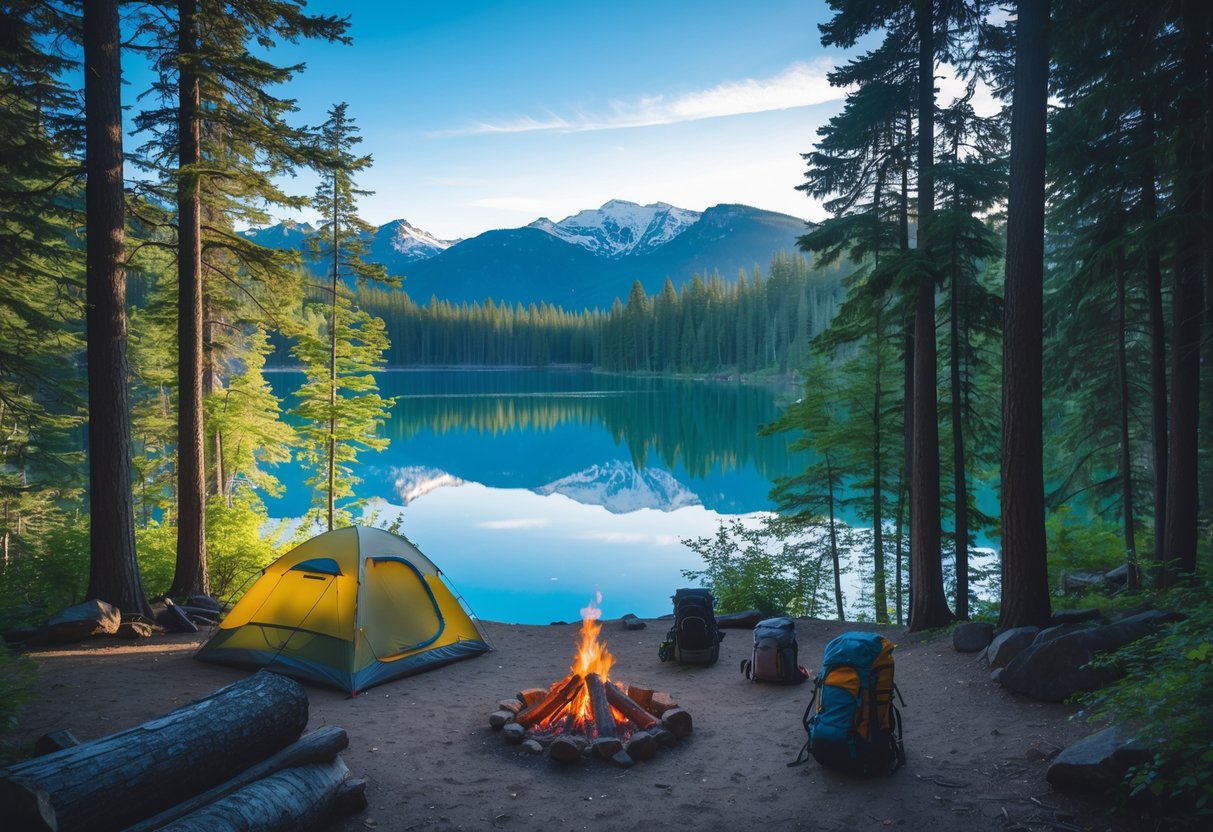
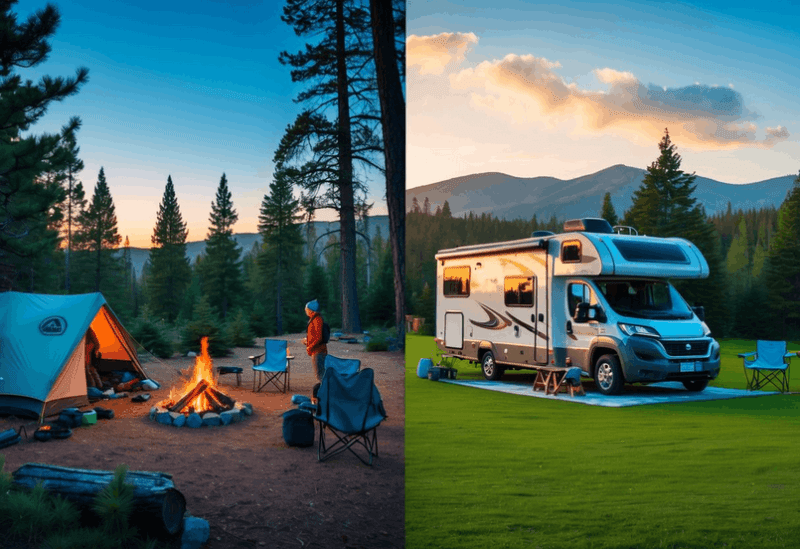
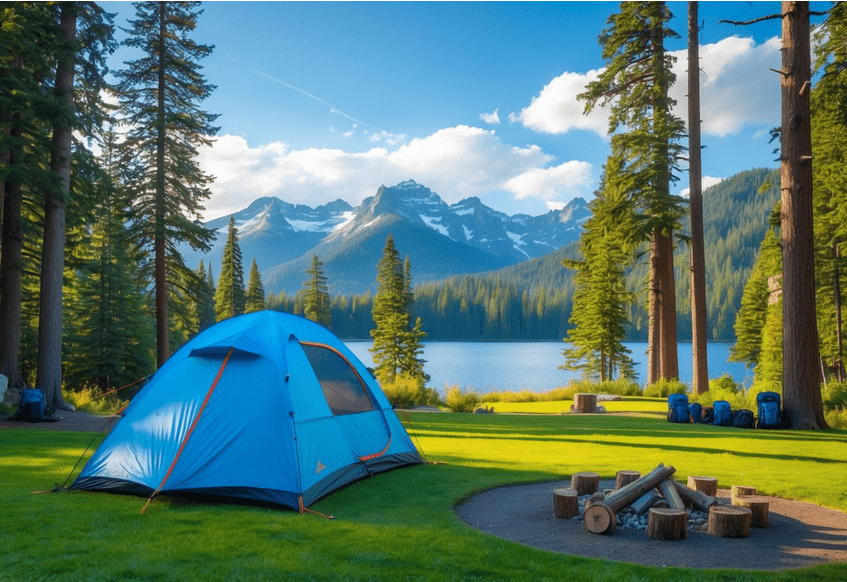
We can pitch a tent beneath towering evergreens in Olympic National Park. Or maybe park an RV near the slopes of Mount Rainier, or wake up next to the turquoise waters of Diablo Lake in the North Cascades.
Each location offers something different—hiking, kayaking, or just soaking in a quiet sunrise. Washington’s campgrounds make it easy to find your own mix of comfort and adventure.
Key Takeaways
- Washington offers a wide range of scenic camping options across parks and forests.
- Each region provides unique experiences, from beaches to mountain trails.
- Planning ahead ensures the best campsite choices and memorable outdoor time.
Top-Rated Campgrounds in Washington
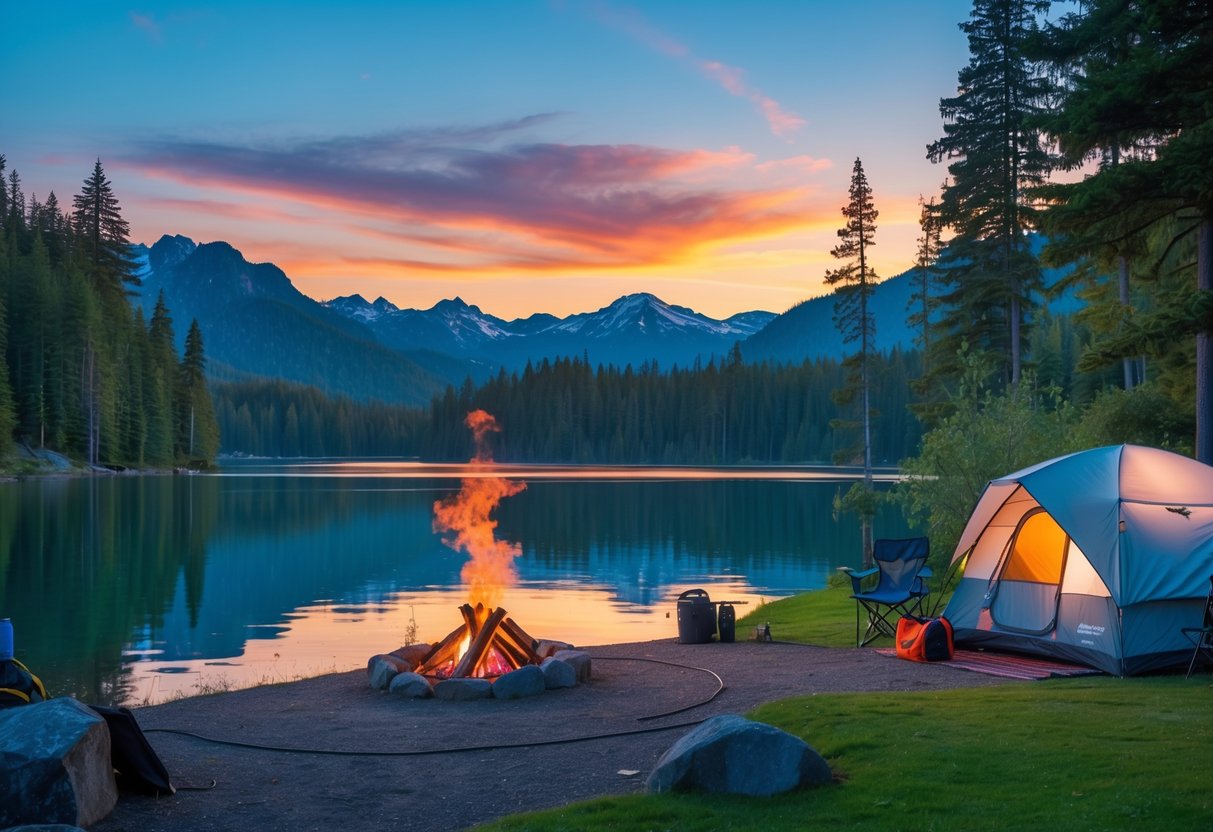
Washington’s camping options stretch from alpine lakes and forested valleys to saltwater beaches and islands. Each site brings its own trails, wildlife, and recreation areas to the table.
Lake Wenatchee State Park
Lake Wenatchee State Park sits on the eastern slopes of the Cascades near Leavenworth. The park hugs a five-mile-long glacier-fed lake, framed by dense forest and mountain ridges.
We can swim, kayak, paddleboard, or fish in the clear waters. In summer, horseback rides and bike trails start right from the park.
Winter brings snowshoeing and cross-country skiing. There are two main campgrounds with over 150 sites for tents and RVs, restrooms with showers, and a small store.
The park’s lake access and mountain views make it a solid pick for families and outdoor lovers.
Moran State Park
Moran State Park covers more than 5,000 acres on Orcas Island. It’s one of the state’s oldest and largest parks, packed with forest, lakes, and waterfalls.
We can camp near Cascade Lake, where kayaks, canoes, and paddleboards are up for rent. Trails nearby lead to Mount Constitution, the island’s highest point, with a sweeping view of the San Juans and Mount Baker.
There are five freshwater lakes, plenty of picnic spots, and over 150 campsites. Some sites hug the water, while others sit tucked in the woods for privacy.
Getting here means a ferry ride, but the quiet setting and range of activities make the trip worth it.
Deception Pass State Park
Deception Pass State Park links Whidbey and Fidalgo Islands and ranks as one of Washington’s most visited campgrounds. The park’s landmark bridge crosses a narrow channel with strong tidal currents and epic views.
We can pick from three campgrounds with around 300 sites, including forested and beachfront options. The park also has hiking trails, tide pools, and boat launches.
Historic buildings from the 1930s Civilian Conservation Corps add a dash of culture. The blend of rugged coastline, forest trails, and handy facilities makes this park a favorite for both day trips and longer stays.
Ohanapecosh Campground
Ohanapecosh Campground lies inside Mount Rainier National Park along the Ohanapecosh River. Old-growth forest surrounds the sites, giving each one a secluded feel.
We can walk to the Grove of the Patriarchs Trail to see ancient Douglas fir and cedar trees. The visitor center nearby offers ranger programs and trail info.
The campground has more than 180 sites for tents and small RVs, plus restrooms and picnic areas. Its spot between the park’s wetter west and drier east sides gives it a balanced climate and easy access to both forest and alpine areas.
National Park Camping Destinations
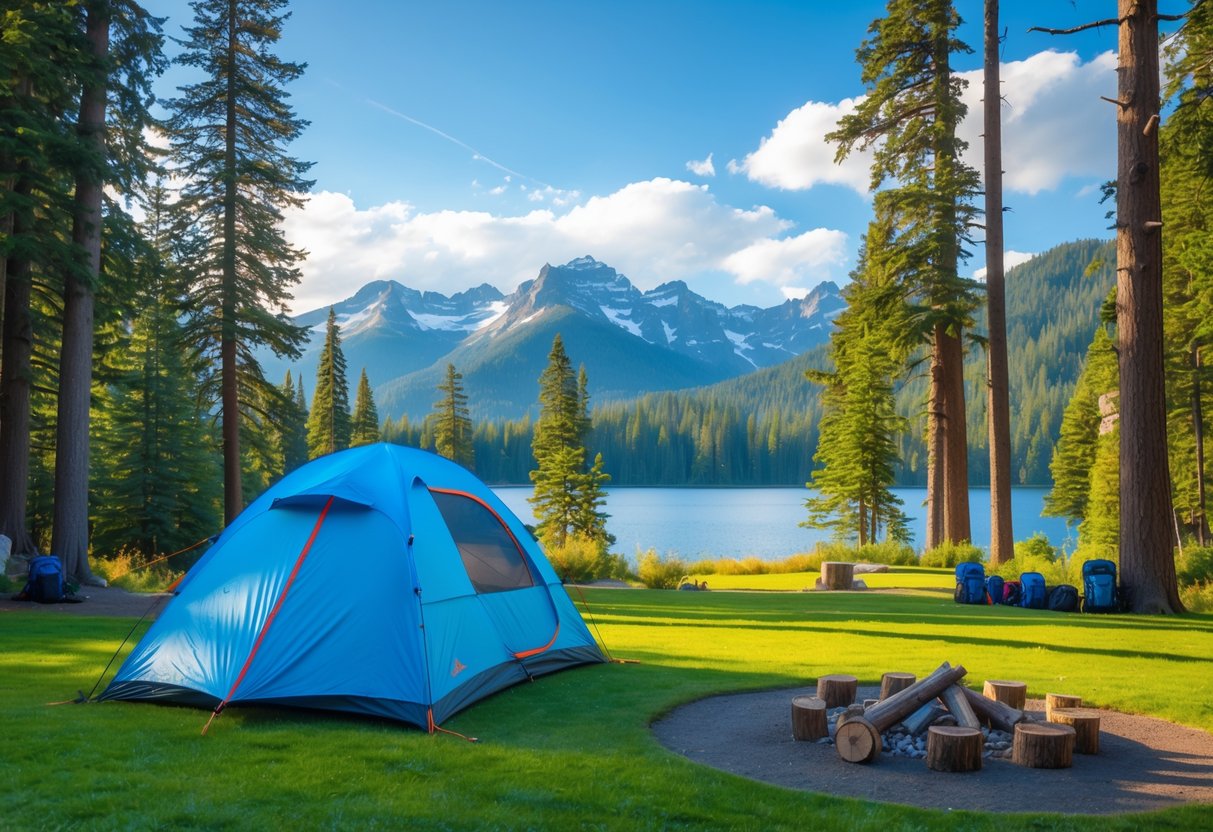
Washington’s national parks serve up a mix of landscapes and camping styles. We can wander dense rainforests, climb glacier-covered peaks, or relax by rugged alpine lakes—all without driving too far.
Each park has well-managed campgrounds with access to hiking, wildlife, and scenic views.
Olympic National Park
Olympic National Park brings together coastal beaches, temperate rainforests, and mountain ranges. Campers can pick from several developed and primitive sites across the park.
Heart O’ the Hills Campground sits near Port Angeles and gives easy access to Hurricane Ridge. Its shaded, forested sites stay cooler in summer and often stay open longer than higher elevation areas.
Further west, Hoh Campground sits in the Hoh Rain Forest, surrounded by mossy trees and short trails that wind into old-growth stands. The area gets heavy rain, so we’d better pack waterproof gear.
For more solitude, Queets Campground offers primitive sites with only basic amenities. It’s quieter and great for visitors who want peace by the river.
Planning ahead is a must, especially in summer when reservations fill up fast.
Mount Rainier National Park
Mount Rainier National Park centers around the 14,410-foot volcano and its wild surroundings. Campers here get alpine meadows, glacier-fed rivers, and crisp mountain air.
Cougar Rock Campground on the south side gives quick access to Paradise, one of the park’s main hiking areas. Sites here are wooded and close to ranger programs and trailheads.
On the northeast side, White River Campground offers first-come, first-served sites near Glacier Basin Trail. It’s a good pick for hikers who want early access to mountain views.
Ohanapecosh Campground sits in an old-growth forest near the southeast entrance, with river access and a quieter vibe. It’s closed for construction until 2026, but keep it on your radar for future trips.
Always check road conditions and reservations before visiting. Weather and maintenance can throw a wrench in your plans.
North Cascades National Park
North Cascades National Park has rugged peaks, turquoise lakes, and usually fewer crowds than other big parks in the state. Most campgrounds open seasonally due to snow.
Colonial Creek Campground on Diablo Lake is the main developed spot. Sites fit tents and small RVs, and many are right by the water.
Ranger talks and boat tours often start nearby, giving us a glimpse into the park’s history and geology. Backpackers can head to remote sites along trails like Thunder Creek or Cascade Pass, but overnight permits are required.
The terrain gets steep, and weather changes on a dime, so planning ahead is key.
Unique State Park Experiences
Washington’s campgrounds range from calm lakeside escapes to dramatic coastal cliffs and forested river valleys. Each spot gives us a new way to connect with nature—fishing, hiking, or digging into local history.
Curlew Lake State Park
Curlew Lake State Park is a gem for campers who love water activities. It sits in northeastern Washington near Republic, and the seven-mile-long lake is famous for trout and bass fishing.
The campground has 80+ sites, many with lake views and quick boat launch access. Families like the swimming area, picnic shelters, and playground.
Wildlife is a real draw here. It’s not rare to spot bald eagles, ospreys, or white-tailed deer along the shore.
Evenings bring calm water and open skies—perfect for canoeing or stargazing. In summer, boat and paddleboard rentals are available, while winter sometimes brings ice fishing.
The park’s mix of open meadows and pine forest works for both tent and RV campers.
Cape Disappointment State Park
Cape Disappointment sits at the meeting point of the Columbia River and the Pacific Ocean, offering one of Washington’s wildest coastal views. We come for the beach access, historic lighthouses, and ocean vistas.
The park has two lighthouses—North Head Light and Cape Disappointment Light—both reached by short trails. Campers can stay tucked among coastal trees or right near the beach.
| Campground Type | Approx. Sites | Key Feature |
|---|---|---|
| Standard & RV | 200+ | Beach and forest access |
| Yurts & Cabins | Limited | Heated, furnished options |
We can walk Waikiki Beach, check out the Lewis and Clark Interpretive Center, or watch storms roll in from the cliffs. For all its gloomy name, the park almost never disappoints those after bold scenery and maritime history.
Riverside State Park
Riverside State Park, near Spokane, covers over 11,000 acres along the Spokane River. It’s a favorite for its forested trails, basalt cliffs, and the Bowl and Pitcher Campground, which hikers and climbers love.
The suspension bridge over the river leads to scenic trails with views of the rock formations that gave the campground its name. We often hike or bike the Centennial Trail, which winds through the park for miles.
The campground includes 70+ campsites, restrooms, showers, and equestrian trails. The river is great for kayaking, rafting, and fishing, and the viewpoints nearby are perfect for snapping photos.
Coastal and Island Camping
Coastal and island campsites in Washington offer a blend of oceanfront wilderness and mellow island scenery. We can fall asleep to waves or wake up to quiet harbors ringed by forest and rocky cliffs.
Mora Campground and Pacific Coast
Mora Campground sits near Rialto Beach on Washington’s rugged Pacific Coast. We can reach the beach in just a few minutes and wander among tide pools, driftwood, and sea stacks shaped by wind and water.
Short trails wind through the area, leading to scenic overlooks and the well-known Hole-in-the-Wall rock formation.
Sites stay shaded by spruce and fir trees. That shade gives us privacy and some shelter from the coastal wind.
Facilities here include restrooms, picnic tables, and fire rings.
Highlights:
- Quick beach access
- Nearby Hoh Rain Forest trails
- Tide-pooling and photography spots
We can often hear the ocean from our tents, even when we’re tucked into the woods. Mora works well for tent campers and small RVs who want easy access to both beach and forest without the crowds.
San Juan Islands and Bowman Bay
Bowman Bay, part of Deception Pass State Park, combines island views with calm saltwater coves. We can camp just steps from the shoreline and watch seals, herons, and passing boats.
The bay connects by bridge to Whidbey and Fidalgo Islands. That means we get access to both forested trails and island beaches.
Sites include fire pits, picnic tables, and restroom access.
A short walk leads to the Rosario Head Trail, where tide pools and sweeping views of Deception Pass wait for us.
Good to know:
- Kayak rentals nearby
- Easy access to Deception Pass Bridge
- Reservations recommended in summer
Bowman Bay feels peaceful but stays close to key attractions. It’s one of the most convenient coastal camping spots in northwest Washington, honestly.
Rainforest and Scenic Trail Adventures
Washington’s temperate rainforests and old-growth trails let us experience some of the most unique ecosystems in the Pacific Northwest. Towering trees, moss-covered trunks, and quiet rivers create peaceful hiking and camping settings that show off the state’s natural diversity.
Hoh Rain Forest and Hall of Mosses
The Hoh Rain Forest sits in Olympic National Park, where rainfall supports thick layers of moss, ferns, and Sitka spruce. The Hall of Mosses Trail is a short loop of less than a mile and gives us an easy way to explore this ancient ecosystem.
Every step takes us through a green canopy where moss drapes from branches. The air feels cool and damp—kind of magical, really.
The nearby Hoh River Trail stretches over 17 miles, winding deeper into the forest toward Glacier Meadows. That’s the route for folks craving longer hikes or backcountry camping.
Visitors often spot Roosevelt elk near the river. The steady sound of flowing water beneath the trees is a bonus.
Good footwear and rain gear make the experience more comfortable, especially during the wetter months from October through April.
| Trail | Distance | Difficulty | Highlights |
|---|---|---|---|
| Hall of Mosses | 0.8 miles | Easy | Moss-covered trees, ancient forest |
| Hoh River Trail | 17.4 miles | Moderate | River views, wildlife, access to Glacier Meadows |
Grove of the Patriarchs Trail
In Mount Rainier National Park, the Grove of the Patriarchs Trail takes us across a suspension bridge to an island on the Ohanapecosh River. The short, mostly level path (about 1.5 miles round trip) winds through massive Douglas fir and western red cedar trees, some more than a thousand years old.
Wooden boardwalks protect the roots of these giants and keep the trail accessible to most visitors.
The calm setting and filtered light create a quiet atmosphere, perfect for photography or just taking it all in.
We usually visit in late spring through early fall when the water level drops and the trail is fully open. Even though it’s short, this hike gives us a close-up look at one of Washington’s most impressive ancient forests.
Planning Your Washington Camping Trip
Washington gives us a huge range of camping experiences, from coastal rainforests to alpine meadows. We can make the most of our trip by picking the right season, securing permits or reservations early, and packing gear suited to the state’s unpredictable weather and terrain.
Best Seasons for Camping
Washington’s climate changes sharply between the west and east sides of the Cascade Range. Summer (June–September) is the most reliable for dry weather, especially in the mountains and coastal parks like Olympic National Park and Deception Pass State Park.
Spring brings wildflowers and fewer crowds, though rain is common in western parks like Moran State Park or Lake Wenatchee State Park. Fall gives us crisp air and colorful foliage, ideal for quieter camping in places like Mount Rainier National Park.
Winter camping works in lower-elevation or RV-friendly areas such as Steamboat Rock State Park. Snow and road closures limit access to mountain sites, though, so it’s smart to check local forecasts and road conditions through the Washington State Parks website.
Permit and Reservation Tips
Popular campgrounds in Washington fill up fast, especially during summer weekends. We should make reservations through Washington State Parks, Recreation.gov, or county park systems several months ahead of time.
Some areas, like Mount Rainier or Olympic National Park, require backcountry permits for overnight stays. These can be limited, so it’s best to apply early or consider less crowded spots such as Teanaway Community Forest or Curlew Lake State Park.
For first-come, first-served sites, arriving early in the day gives us a better shot at a spot. We should also check fire restrictions, pet rules, and quiet hours, since rules vary between campgrounds.
Essential Gear and Safety
Weather in Washington can change quickly, even in summer. We should pack layered clothing, waterproof gear, and a warm sleeping bag rated for cool nights.
A short list of must-haves includes:
- Map and compass or GPS
- First-aid kit
- Bear-safe food containers in national parks
- Headlamp or flashlight
- Water filter or purification tablets
Storing food properly helps us avoid wildlife encounters. We should follow Leave No Trace principles and let someone know our travel plans.
In remote parks like North Cascades National Park, cell service is spotty, so carrying a satellite communicator can give us peace of mind.
Frequently Asked Questions
We explore where to camp in Washington based on scenery, comfort, and accessibility. Our focus includes state parks, RV amenities, family-friendly cabins, and lakefront or tent camping options across the state.
What are the top-rated state parks for camping in Washington?
We find Deception Pass State Park and Lake Wenatchee State Park rank among the most popular for their views and recreation options. Cape Disappointment State Park and Riverside State Park also stand out for hiking, beach access, and well-kept facilities.
Which Washington campgrounds offer the best amenities for RV owners?
RV travelers appreciate Dosewallips State Park for its hookups and easy access to both forest and shoreline. Fort Worden State Park and Moran State Park offer partial hookups, dump stations, and well-maintained restrooms.
Many parks provide spacious sites that fit large RVs comfortably.
Where can I find family-friendly camping spots with cabins in Washington?
Families often choose Ike Kinswa State Park or Millersylvania State Park, which feature cabins near lakes and playgrounds. Kitsap Memorial State Park also provides cozy cabins in a quiet forest setting close to Puget Sound.
What are the most scenic lakefront camping locations in Washington State?
Lake Chelan State Park offers clear water, swimming areas, and mountain views. Curlew Lake State Park and Steamboat Rock State Park provide calm waters for boating and fishing, along with easy shoreline access for campers.
Can you recommend some camping spots in Washington that are ideal for tent camping?
Tent campers enjoy Olympic National Park for its coastal and rainforest settings. Colonial Creek Campground in North Cascades National Park and Kalaloch Campground near the Pacific coast are also great options for simple, scenic tent camping.
How can I locate the most picturesque camping areas in Washington?
We usually check the Washington State Parks website and browse federal recreation maps to hunt down campsites with mountain, forest, or coastal views.
Parks like Mount Rainier National Park and North Cascades National Park almost always deliver some of the most jaw-dropping scenery in the state.
DISCLAIMER
This document is provided for general information purposes only and should not be relied upon as providing legal advice, technical, or specific operational guidance to the reader, whether as to the practices described in the document or the applicable legal requirements and regulations. bestcampingdeals.com expressly disclaims any responsibility for liability arising from or related to the use or misuse of any information in this document.