We Put YETI Coolers to the Test — Here’s What Shocked Us
We took the YETI Tundra 35 Chartreuse out for a weekend of fishing and a day-long picnic just to see what it could do. It felt solid to carry and fit our gear and drinks without everything getting crowded.
Ice stuck around much longer than in any soft cooler we've used before.
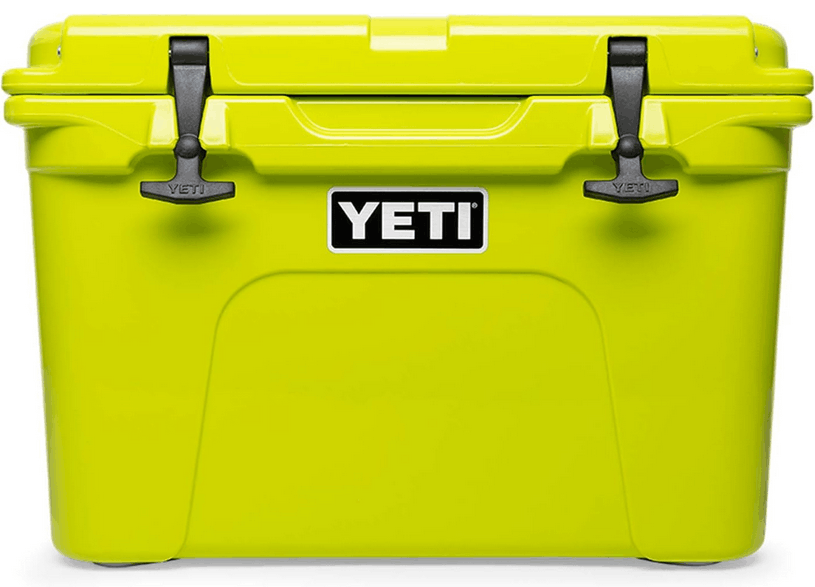
The shell is tough—it shrugged off bumps and stayed closed even when we tossed it around a bit. Those lid latches worked every time, and the inside stayed cold well into the second day.
The cooler is heavier than basic models when empty, though. We liked the balance of size and capacity for two people on multi-day trips.
If you need something lighter for long hikes, it does feel bulky. The color made it easy to spot in the back of the truck, and the dry goods basket kept small stuff from getting lost.
Overview of the YETI Tundra 35 Cooler
We tried the Tundra 35 on a few short trips to see how it holds up. It felt sturdy and stayed cold much longer than our old soft cooler.
Carrying it solo is doable, but you notice the weight when it’s full. The interior fits enough for a day or weekend, and the dry goods basket kept food from getting soggy.
The lid latches and thick walls give some peace of mind on rough trails. It’s heavier than you might expect, so not the best for long hikes.
Key Features
We took this cooler on a few weekend trips and noticed what stood out—good and bad. Here’s what we found:
PermaFrost Insulation for Extended Ice Retention
The thick PermaFrost insulation really makes a difference. On a two-day beach trip with a normal amount of ice, it kept things cold way longer than our old coolers.
Drinks stayed cold without constant ice top-ups. Of course, if it’s blazing hot, the ice won’t last forever.
Virtually Indestructible Rotomolded Construction
The rotomolded shell felt tough and dent-resistant during hikes and campsite use. It handled bumps and rough placement without cracking or warping.
The extra material adds weight, so while it’s sturdy, it’s not the lightest for long carries.
Heavy-Duty T-Rex Lid Latches
The rubber T-Rex latches worked smoothly and stayed secure after repeated use. They held the lid tight and felt much tougher than plastic clips that have broken on other coolers.
They can be a bit stiff at first, but loosen up and keep working.
Portable Design and Impressive Capacity
We found the size balanced portability and storage pretty well. It fits about what a small group needs and isn’t too bulky for one person to move short distances.
The dry goods basket helped keep things organized, but the cooler’s weight when full means it’s better for car trips or short hauls, not backpacking.
Pros and Cons
We used the cooler on a few trips and made a list of what worked and what didn’t.
Pros
- Build quality feels very solid. The shell and latches handled rough use without worry.
- Ice retention impressed us; drinks and food stayed cold for days when packed right.
- Size is a good balance: roomy enough for a multi-day outing, but still fits in vehicle cargo areas.
- Easy to clean and maintain after use.
- Practical features like the dry goods basket and strong rubber latches made everyday use easier.
Cons
- It’s heavy when empty, so carrying long distances gets tiring for one person.
- Price is higher than that of basic coolers, so it feels like a bigger investment.
- It can be bulky in tight storage spaces because it’s sturdy and rigid.
- You have to pack it well with the right ice-to-contents ratio, or the cooling time drops.
Customer Reviews
We used the Tundra 35 for a few trips and the customer feedback lines up with our experience. People praise its toughness and ice retention, and we found drinks and food stayed cold for days when packed right.
The build feels solid and it’s easy to clean, but it’s heavier than soft coolers and not great for long carries. Some buyers love it for vehicle use, off-roading, and fishing with dry ice.
A few noted it’s a premium price, but many say the performance justifies it. Reviews mostly show strong satisfaction for rugged, long-lasting cooling, with the trade-off of extra weight.
Performance in Outdoor Adventures
We brought the Tundra 35 on a three-day camping trip and a hot afternoon off-road run. It held ice and chilled drinks far longer than our old soft coolers, staying cold through full days of sun and bumpy trails.
The shell handled scrapes and bumps without cracking. The lid latches stayed tight even after rough rides.
It’s heavier than a soft cooler, so we mostly left it in the vehicle instead of carrying it far. Cleaning was quick after a fish run, and the dry goods basket kept stuff organized.
The trade-off is weight for durability and cooling power—great for trips from a base camp or vehicle, but less good for long hikes.
Frequently Asked Questions
We used the cooler for weekend trips and daily hauling, so these answers come from hands-on use and stuff we picked up along the way.
How does the YETI Tundra 35 Cooler's insulation performance compare to similar coolers?
We found the Tundra 35 holds ice longer than most soft coolers and entry-level hard coolers. Its thick walls and PermaFrost insulation keep things cold for days when you pack it right.
If it’s really hot or you don’t use enough ice, that time drops. It performs about the same as other premium rotomolded coolers and outlasts midrange models.
What is the storage capacity of the YETI Tundra 35 Cooler in terms of cans and ice?
In our tests, the Tundra 35 fits about 18–20 cans with the recommended 2:1 ice-to-contents ratio. You can fit more cans if you use less ice, but that cuts cooling time.
The included dry goods basket helps organize smaller stuff without burying it under ice.
Can the YETI Tundra 35 Cooler accommodate wine bottles or is it limited to cans and small containers?
We fit a couple of standard wine bottles laid flat if we sacrificed some ice or cans. It handles bottles better than smaller soft coolers, but it’s not great for a bunch of tall bottles standing upright.
If you’re hauling wine a lot, a taller model or just laying bottles on their side works best.
What are the dimensional differences between the YETI Tundra 35 and the YETI Tundra 45 models?
The Tundra 35 is noticeably smaller and lighter than the Tundra 45. The 35 fits easier in vehicle cargo areas and is simpler to carry solo.
The 45 gives you more room for extra ice and longer trips, but it’s bulkier and heavier. Go with the 35 for portability, or the 45 for bigger hauls.
How effective is the Chartreuse YETI Tundra 35 Cooler in maintaining temperatures under extreme conditions?
We kept stuff cold through hot days on trails and at the beach by packing plenty of ice and pre-chilling contents. It handled high heat better than cheaper coolers, but no cooler is immune to multi-day extreme heat without adding more ice.
Block ice or dry ice helps stretch performance if you really need longer cooling.
Is the Chartreuse color of the YETI Tundra 35 Cooler prone to fading over time with exposure to the elements?
After using it outdoors regularly, we noticed barely any fading. Sure, bright colors like Chartreuse might lose some vibrancy if you leave them baking in the sun for months on end.
But with typical use and a bit of cleaning, the color held up well. If you stash the cooler out of direct sunlight when you're not using it, the finish tends to stay sharp.
DISCLAIMER
This document is provided for general information purposes only and should not be relied upon as providing legal advice, technical, or specific operational guidance to the reader, whether as to the practices described in the document or the applicable legal requirements and regulations. Best Camping Deals expressly disclaims any responsibility for liability arising from or related to the use or misuse of any information in this document.