Budget-Friendly Destinations Across America:
Family camping trips stick in your memory for years, and you really don't have to spend a fortune to make them special. Lots of folks shell out hundreds on campground fees every summer, but the savviest families know how to find great spots for way less.
Free and low-cost campgrounds across the United States offer families excellent outdoor experiences with essential amenities like restrooms, picnic tables, and safe environments for children. State parks, national forest campgrounds, and Bureau of Land Management sites often charge little or nothing at all.
Finding the right campground means thinking about which amenities matter for your family. The best budget-friendly spots keep things clean, offer activities for kids, and sit in scenic places that make the trip feel like an adventure.
Knowing the difference between public land types and camping options helps families plan trips that actually fit their needs and their wallets.
Top Low-Cost Campgrounds Perfect for Families
Picking a campground for your family isn't just about price—it's about the features that matter most. You can score the best deals if you know a few booking tricks.
Family-Friendly Features to Look For
Safety and accessibility should always come first. Go for places with good trails, clear boundaries, and a ranger station or camp host nearby if possible.
Clean restrooms and potable water make a big difference. Even some free camping areas in state parks and national forests offer these basics.
Recreational activities like fishing, swimming, or easy hiking trails keep kids happy and busy. A good campground gives families ways to play and explore together.
Fire rings and picnic tables are must-haves for most families. They're perfect for cooking up meals and gathering around a safe campfire at night.
Cell phone coverage can be spotty at remote sites. If you need to stay connected, check coverage before you go.

Variety of Campsites: Tent, RV, and Cabin Options
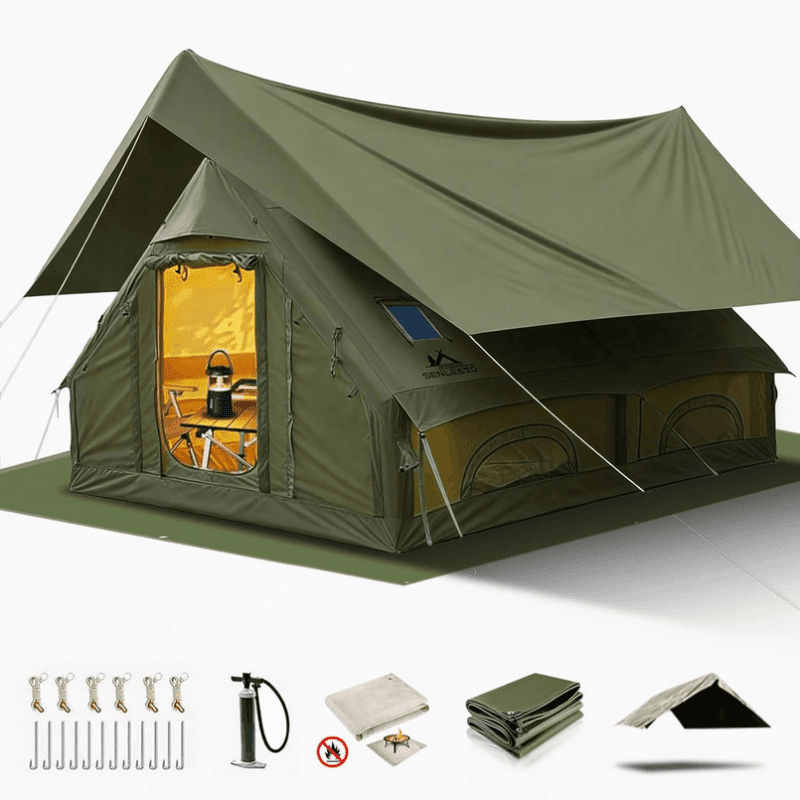
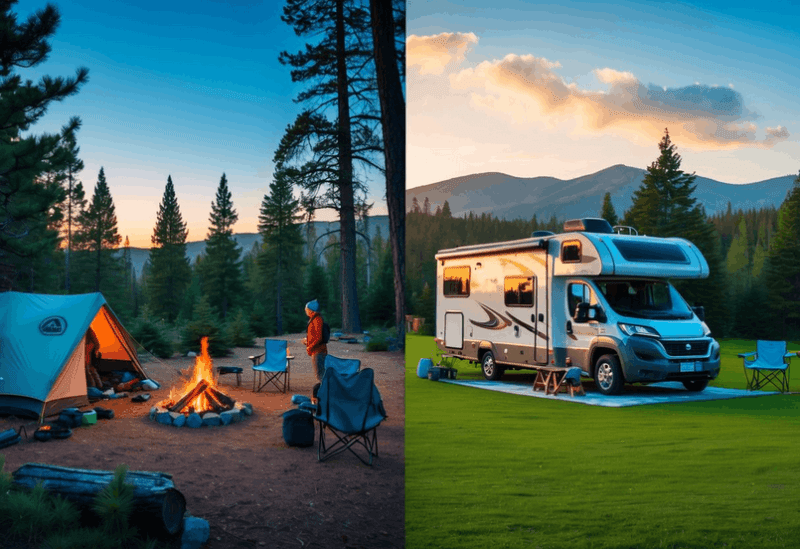
Tent camping is usually the cheapest—many state parks charge just $10-20 a night for a basic site with shared facilities.
RV camping costs a bit more but can be easier for families with an RV. You can find free RV camping on Bureau of Land Management land, but don't expect hookups at the free sites.
Boondocking sites are totally free for self-sufficient campers. These spots don't have water or trash service, so you'll need to bring everything you need.
Cabin rentals in state parks offer a cozy alternative. Basic cabins usually run $40-80 per night and give you beds, heat, and electricity.
Group sites are great if you're camping with extended family or friends. You often get more space and a better per-person rate.
Essential Booking Information
Reservation systems aren't the same everywhere. National parks use Recreation.gov, but state parks have their own sites and rules.
Advance booking is almost a must during busy months from May to September. Free spots fill up fast on weekends and holidays.
Length of stay limits usually cap free camping at 14 days before you have to move on. Bureau of Land Management areas stick to this rule pretty closely.
Fees and permits sometimes sneak up even at "free" campgrounds. You might need to pay for parking or get a permit for certain activities.
Cancellation policies change from place to place. State parks often let you cancel for free up to 48 hours in advance, but some free sites are first-come, first-served with no reservation needed.
How to Find the Best Free or Low-Cost Family Campgrounds
Finding a great family campsite on a budget takes a bit of research and the right digital tools. Most of the best free or cheap spots need some advance planning and a little luck with the reservation systems.
Using Online Resources and Apps
Campendium is a favorite for finding free camping. It lists thousands of spots, with photos and GPS pins to make life easier.
Recreation.gov is the go-to for booking federal campgrounds. Many national forest and BLM sites cost under $15 a night.
Other handy apps:
- FreeRoam for dispersed camping
- iOverlander for community-shared locations
- Campgrounds & RV Parks to compare free and paid options
State park websites share their most affordable campgrounds. Some states sell annual passes that save money if you camp a lot.
Google Maps helps you find national forests nearby. Most allow free dispersed camping for up to 14 days.
Checking Reviews and Community Ratings
Reviews can tell you what you really need to know about a campground. Look for notes on bathroom cleanliness, water, and cell coverage.
Recent reviews matter most since things change fast. Try to find feedback from the last six months.
Watch for reviews that mention:
- Safety issues or if a place feels isolated
- Road conditions—some sites are tough to reach
- Noise levels from roads or rowdy campers
Families often share if a site works well for kids—like if there's a playground, swimming, or easy hiking nearby.
Community ratings help you spot the best picks. If lots of different people like a spot, it's probably a safe bet.
Understanding Reservation Systems
Recreation.gov makes you book ahead for most top sites. Reservations open 14 days out for many campgrounds and can fill up in a hurry.
First-come, first-served sites mean you need to show up early, usually in the morning, to snag a good spot as people leave.
Some RV parks offer last-minute deals on their own websites. Call and ask about family or weekly discounts—they're not always online.
State park reservation systems all work a little differently. Some let you book months in advance, others only a few weeks out.
Free camping spots rarely need a reservation, but you still have to follow stay limits. Most let you stay up to 14 days before you need to move.
Types of Budget-Friendly Camping: Free, Dispersed, and Boondocking
Families can save a ton by choosing free or low-cost camping over traditional sites. Each style offers a different mix of amenities and privacy, but all provide access to nature.
Dispersed Camping Explained
Dispersed camping lets you camp on public land without a designated site or facilities. You’ll find these spots on national forests, BLM land, and sometimes state land.
Most don't have bathrooms, water, or trash pickup. You'll need to bring your own supplies and pack out all your garbage. Typically, you can stay in one place for up to 14 days.
Key features of dispersed camping:
- No reservations required
- First-come, first-served
- Use existing campsites if you can
- No campfires if fire restrictions are in effect
Check specific rules for the forest service or BLM district before you go. Some spots need permits or close seasonally. Rangers patrol and can help point you to safe areas.
Boondocking for Families
Boondocking means camping without hookups—no water, power, or sewer. You can boondock in an RV, van, or tent, and it’s a good fit for families who like more privacy.
Boondocking sites could be parking lots, private land, or remote public land. Some Walmarts and truck stops even allow overnight stays. Apps make it easier to find safe boondocking along your route.
To boondock successfully with kids, plan ahead:
- Pack extra water
- Bring solar panels or another power source
- Use battery-powered lights
- Pick meals that don’t need much cooking
Kids usually love the adventure if you let them help set up. It's a good chance to teach water conservation and Leave No Trace habits.
Difference Between Free and Low-Cost Sites
Free camping means no cost but also no amenities. Most dispersed camping and some boondocking sites fall into this category. You save money but lose out on things like bathrooms and running water.
Low-cost sites charge a small fee—usually $5 to $ 15 per night. They might have vault toilets or a water spigot. Some state parks offer discounts for residents or during off-peak times.
Comparison of camping costs:
- Free sites: $0 per night, no amenities
- Low-cost sites: $5-15 per night, basic facilities
- Standard campgrounds: $25-60 per night, full amenities
Think about your comfort level and experience. If you're new to camping, maybe start with low-cost sites that have at least the basics before you try going totally off-grid.
Public Lands and National Parks: Where to Camp for Less
Public lands really do offer some of the best deals for family camping in the U.S. Government-run campgrounds usually cost much less than private ones and get you close to beautiful natural spots.

National Park Service Campgrounds
The National Park Service runs more than 400 campgrounds nationwide. Most charge $15-30 per night, so they're solid budget-friendly options for families.
Yellowstone National Park has several campgrounds, including Mammoth Hot Springs and Indian Creek, with basic amenities at decent prices.
Badlands National Park's Cedar Pass Campground starts around $47 a night. Kids under 16 get in free with a paying adult.
Glacier National Park offers 13 campgrounds, with Apgar and Fish Creek standing out for family amenities like restrooms and water.
Booking Tips:
- Book through Recreation.gov up to 90 days in advance
- Some campgrounds are first-come, first-served
- Look for senior and military discounts
Bureau of Land Management Sites for Families
Bureau of Land Management areas offer some of the cheapest camping around. Many BLM sites charge just $5-15 per night, and some even let you camp for free if you don't mind dispersed camping.
BLM lands stretch across more than 245 million acres in the western U.S. These wide open spaces give kids plenty of room to roam—and parents a little peace of mind.
Developed BLM campgrounds stick to the basics: vault toilets and fire rings. Most sites work for tents and RVs up to about 40 feet.
Family-Friendly BLM Features:
- Large campsites with room to spread out
- Usually less crowded than national parks
- Pets are welcome in most places
- Some locations offer educational programs
Families often love the Alabama Hills in California or Sand Hollow in Utah.
Camping Near National Icons
Many families opt for public lands located just outside the major national parks. It’s a smart way to save cash but still stay close to the action.
You can find free camping within half an hour of most major parks. Dispersed camping on national forest land doesn’t require reservations or fees.
Outside Yellowstone, families set up camp in the surrounding national forests. Gallatin and Shoshone National Forests have plenty of options.
Money-Saving Strategy:
- Camp free outside the parks
- Drive in each day for adventures
- Grab an annual park pass if you’ll visit more than one
Tips for Staying on Public Lands
Camping on public land means you’ll need to prep a bit more than at private campgrounds. Bring extra water, food, and a solid first aid kit.
Essential Gear:
- Water containers (at least 5 gallons is smart)
- Portable toilet or a trusty camp shovel
- Plenty of flashlights and batteries
- Paper maps—don’t count on your phone
Most public land spots don’t have RV hookups. You’ll need self-contained RV gear or solid tent camping equipment.
Always check fire restrictions before you go. Wildfire risk means campfires might be banned, especially in dry months.
Download offline maps before you lose service. Cell coverage can be spotty or nonexistent in some areas.
Follow Leave No Trace. Pack out all your trash and try to leave campsites even better than you found them.
Essential Amenities and Family Considerations
When you’re picking free or budget campgrounds, having access to clean water and restrooms is a must. Most affordable sites also offer some basic RV services and keep things safe for kids and pets.
Access to Water and Restrooms
Clean water and restrooms top the list for family camping. State park campgrounds typically have potable water spigots located throughout.
Flush toilets make life easier, especially with kids. They’re more comfortable and hygienic than pit toilets.
Key water and restroom features to look for:
- Potable water spigots close to campsites
- Clean restrooms that get regular attention
- Hot water for handwashing and cleanup
- Family restrooms with changing tables
National forest campgrounds usually stick to pit toilets and hand-pumped water. That’s fine if your family is cool with roughing it a bit.
State parks charge about $15-25 a night, but the better restrooms can be worth it when you’re camping with little ones.
RV Services and Dump Stations
RV families need a few extras that not every budget campground has. Dump stations let you empty waste tanks without hassle.
Essential RV services:
- Dump stations for gray and black water
- Electrical hookups (30 or 50 amp)
- Water hookups at each site
- Level pads for easy parking
Lots of free camping spots don’t have dump stations. You’ll probably need to plan stops at gas stations or paid facilities every few days.
State parks often offer partial hookups for a fair price. Full hookups cost more, but they’re super convenient for families.
Some RV parks give discounts if you stay for a week or more. Weekly rates can really help keep costs down.
Safety for Children and Pets
Campgrounds that welcome families put safety first for kids and pets. Well-maintained trails and play areas help reduce accidents.
Look for places with clear boundaries and not much vehicle traffic. If you’re camping by a lake, keep a close eye on little ones.
Important safety features:
- Fenced or designated pet areas for off-leash play
- Speed limits are enforced throughout
- Emergency contacts are posted at the entrance
- Cell coverage for emergencies
Most campgrounds provide fire rings with sufficient space between them and trees and buildings. Kids always need supervision near fire, no matter how safe things look.
Pet owners should look for waste stations and leash rules. It keeps things tidy and avoids drama between campers.

Frequently Asked Questions
Families searching for budget camping options usually have a few big questions. Here are answers about finding safe, accessible sites and picking good primitive spots for families.
What are the top family-friendly campgrounds that offer free or low-cost options?
Bureau of Land Management (BLM) sites are some of the best for free family camping in the West. They usually have pit toilets and fire rings—nothing fancy, but it works.
National Forest Service campgrounds charge low fees, typically $5-15 per night, and many offer amenities such as picnic tables, water, and restrooms that are suitable for families.
State park campgrounds cost $10-$ 25 a night and typically offer amenities such as playgrounds, showers, and ranger-led programs for kids.
How can I find free camping sites near my location that are suitable for children?
The Recreation.gov site lists federal campgrounds with all the details on facilities and safety. You can filter by what matters, like restrooms or water.
State park websites have maps and info about family-friendly features. Most include photos so you can see the setup before you go.
Local visitor centers keep lists of safe spots nearby. Staff usually know which sites are easy to get to and good for kids.
What resources are available for identifying budget-friendly campgrounds with lake access?
The U.S. Army Corps of Engineers manages hundreds of lakes with campgrounds. Their website shows locations, fees, and water activities.
State wildlife departments run campgrounds at fishing lakes and reservoirs. Most charge small fees and offer boat ramps and fishing spots.
National Forest Service lakes let you camp for free in some areas. Their site has maps with lake access and camping rules.
Which states are known for having a wide selection of free camping spots?
Arizona, Nevada, and Utah have tons of BLM land for free camping. Dispersed camping is allowed on most public lands in these states.
Colorado and Wyoming have loads of Forest Service campgrounds with low fees. Both states offer extensive public land areas for camping.
California lets you camp for free in some national forests and along the coast at certain state beaches. There’s something for everyone—mountains or ocean.
Can you recommend any apps that help locate free or low-cost campgrounds for family trips?
Campendium has user reviews and photos of free camping spots. It also covers road conditions and cell service.
FreeRoam shows BLM and Forest Service lands for free camping. You can download maps and save your favorite places.
Recreation.gov’s app lets you book federal campgrounds and check what’s available right now.
iOverlander covers worldwide camping, including free U.S. sites. Users add up-to-date info about roads and facilities, which is super handy.
What should I consider when looking for primitive camping sites that are family-friendly and cost-effective?
Road conditions can really make or break your trip, especially if you're driving a family vehicle or hauling a trailer. Some primitive sites need high-clearance vehicles, and plenty have rough or unpredictable access roads.
Water is a big deal, especially with kids in tow. A lot of primitive spots don't have any water sources, so you'll need to bring enough for everyone.
How far is the nearest medical help? Some of these remote campgrounds are hours away from hospitals or urgent care, which can be a little nerve-wracking.
Cell phone coverage is all over the place at primitive sites. It's smart to expect limited communication and pack emergency supplies, just in case.
DISCLAIMER
This document is provided for general information purposes only and should not be relied upon as providing legal advice, technical, or specific operational guidance to the reader, whether as to the practices described in the document or the applicable legal requirements and regulations. bestcampingdeals.com expressly disclaims any responsibility for liability arising from or related to the use or misuse of any information in this document.