How to Choose Campsites with Great Hiking Trails Nearby

Finding the perfect spot for your outdoor adventure can transform an ordinary trip into something truly special. I've learned that when your campsite sits near beautiful paths, every day begins with excitement.
The right location makes all the difference for hikers of every skill level. Waking up steps away from trailheads means more time exploring nature and less time traveling. Your entire camping experience improves when you're surrounded by scenic routes.
This guide will help you navigate the selection process with confidence. I'll share practical tips that have served me well over many seasons outdoors. You'll learn how to identify campsites that offer both comfort and adventure.
We'll cover everything from research methods to safety considerations. The goal is to help you create memories that last long after you return home. Getting this decision right ensures your time outdoors exceeds expectations.
Key Takeaways
- The ideal campsite location dramatically enhances your overall outdoor adventure
- Proximity to trailheads maximizes your time spent exploring nature
- Proper research ensures you find sites matching your hiking preferences
- Consider terrain variety and scenery when evaluating potential locations
- Safety features and amenities contribute to a successful camping trip
- Both beginner and experienced hikers benefit from strategic campsite selection
- Early planning leads to better availability at premium hiking-accessible campsites
Understanding the Essentials of Campsite Selection
Selecting your campsite shouldn't be an afterthought—it's the foundation that shapes your entire outdoor adventure. I've learned this through years of trial and error across diverse landscapes.
The process involves more than just finding flat ground. It's about creating a home base that enhances your overall experience.
My Personal Approach to Evaluating Sites
When I scout potential spots, I consider three key factors. Location comes first—is it accessible yet peaceful? I avoid sites near busy roads to ensure tranquility.
Next, I assess the overall vibe of the area. Does it feel welcoming and safe? The energy of a place often tells me more than any checklist.
Factors That Impact a Great Camping Experience
Proximity to trails and attractions significantly affects your enjoyment. Minimizing travel time means maximizing hiking and other activities you love.
Your skill level also matters. What works for me as an experienced camper might overwhelm a beginner. The ideal campsite balances comfort with adventure perfectly.
Remember, choosing a campsite is personal. It should match your style and planned activities. This thoughtful approach ensures your base camp supports rather than hinders your outdoor pursuits.
Assessing Trail Access and Hiking Opportunities

Nothing enhances a camping trip more than stepping directly from your tent onto a scenic hiking route. This seamless connection between your base and the wilderness creates endless exploration possibilities.
I prioritize locations where nature's pathways begin right at my doorstep. This approach maximizes my time outdoors and minimizes logistical headaches.
Proximity to Trailheads
Being close to trail starting points transforms your entire experience. Waking up to immediate trail access means I can catch sunrise views or beat the crowds.
Direct pathway connections allow for spontaneous adventures throughout the day. I've found that campsites with this advantage offer flexibility I truly appreciate.
Trail Difficulty and Scenic Variety
I always check the challenge rating of nearby routes before committing to a spot. Having options that match my skill level ensures enjoyable outings.
Diverse landscapes within walking distance make each day unique. Forest paths, mountain vistas, and waterway trails all offer different experiences.
| Trail Access Type | Distance from Camp | Best For | Considerations |
|---|---|---|---|
| Direct Connection | 0-5 minute walk | Spontaneous hikers | Highest convenience, may have more foot traffic |
| Nearby Trailhead | 5-15 minute drive | Day explorers | Good variety, requires short transportation |
| Regional Network | 15-30 minute drive | Weekend adventurers | Maximum options, needs planning |
This evaluation helps me select spots that balance convenience with adventure. The right mix keeps my trips exciting and manageable.
How to Choose Campsites with Great Hiking Trails Nearby
Your campsite's terrain directly influences your safety, comfort, and overall enjoyment. I never just pick the first flat spot I see. A thorough check of the ground ensures a successful trip.
My process for evaluating a potential site is simple but effective. I follow these steps every time I need to choose a campsite.
- Scan the ground: Look for a level, clear area. This makes sleeping comfortable and setting up your tent easy.
- Check the drainage: Avoid low spots or valleys. After rain, water pools there fast, creating a muddy mess.
- Seek higher ground: A slightly elevated campsite offers better drainage and often better views.
Why is this so important? Returning to a wet, uneven camping area after a long hike is miserable. The right terrain provides a peaceful, dry retreat.
The best sites balance adventure with practicality. You want a spot that feels special but also keeps you safe and comfortable. This careful selection transforms a simple trip into an unforgettable experience.
Research Techniques for Finding the Perfect Campsite

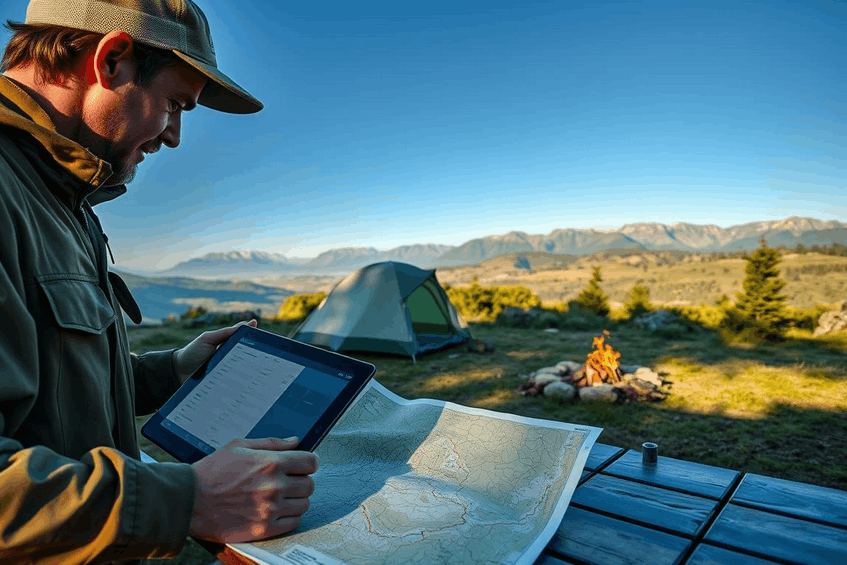
Good research separates an average camping trip from an unforgettable adventure. I rely on a mix of digital tools and old-school conversations to get the best information.
Combining these methods gives me a complete picture before I even pack my bag.
Leveraging Online Resources and Apps
My planning always starts online. National park websites offer official details on campsites and trail rules.
Apps like AllTrails and Campendium are game-changers. They provide real-time reviews and photos from other people. This information helps me visualize the spot.
Consulting Visitor Centers and Local Experts
Nothing beats local knowledge. I make a point to stop at visitor centers. Park rangers share insider tips you won't find online.
They know which trails are crowded at certain times and which hidden gems are worth the effort.
Reviewing User Experiences and Ratings
I always check reviews on sites like TripAdvisor. Reading about others' experiences helps me avoid potential disappointments.
Social media groups are also great for asking specific questions. People who have visited multiple times offer priceless advice.
| Research Method | Key Benefit | Best For Getting |
|---|---|---|
| Online Tools & Apps | Immediate, visual information | User photos and recent conditions |
| Local Experts & Rangers | Unpublished, current tips | Safety updates and hidden spots |
| Community Reviews | Diverse perspectives from many people | Honest feedback on amenities |
Using all three approaches ensures I find the ideal camping location every time.
Evaluating Campsite Location, Terrain, and Environmental Impact

Where you pitch your tent matters more than just comfort—it's about minimizing your footprint on nature. I approach each potential campsite with an eye for both practicality and preservation.
Considering Terrain and Drainage
I always scan the ground for flat, durable surface options like rock or gravel. These area choices prevent damage to vegetation and provide stable footing.
Drainage is crucial, especially when rain threatens. I avoid low-lying sites where water pools. A slightly elevated spot keeps my sleeping area dry and comfortable.
Observing Proper Camping Setbacks
I maintain at least 200 feet from water sources—about 70 adult paces. This distance protects water quality and gives wildlife space.
Using well-established campsite locations minimizes environmental impact. These sites have already been disturbed, so I'm not creating new damage.
Choosing the right surface and location shows respect for natural spaces. It ensures these beautiful areas remain pristine for future visitors.
Amenities, Regulations, and Safety Considerations
Many campers overlook the importance of facilities and rules when selecting their wilderness home. I've learned that these practical details can make or break your outdoor experience.
Available Facilities and Comfort Essentials
Basic amenities transform roughing it into comfortable camping. I always check for restrooms and potable water, especially for longer stays.
Fire pits and picnic tables add convenience to meal times. These features let me focus on enjoying nature rather than struggling with basics.
Wildlife Awareness and Local Regulations
Understanding local wildlife patterns is non-negotiable for safe camping. In bear country, I only consider campsites with bear-proof food lockers.
Fire regulations vary dramatically between parks. Some areas ban campfires entirely during dry seasons. I research these rules before gathering wood.
Proper food storage protects both campers and animals. I use sealed containers and follow all food handling regulations. This prevents unwanted wildlife visits to my camping area.
Checking park websites and talking to rangers helps me avoid surprises. Knowing the regulations beforehand ensures my camping trip stays safe and enjoyable.
Practical Tips for a Successful Camping and Hiking Adventure
The secret to a truly enjoyable wilderness excursion lies in the small details you plan before you even leave home. I've learned that thoughtful preparation transforms a simple outing into an extraordinary experience.
What to Pack for the Trip
My packing strategy focuses on essentials that cover safety and comfort. I never head out without my reliable tent, sleeping system, and navigation tools.
Weather dictates many of my choices. For rainy forecasts, I pack extra tarps and waterproof layers. Sunny conditions call for sun protection and additional water supplies.
My core kit includes a first aid kit, map, compass, and sufficient food. These items ensure I'm prepared for unexpected situations during my camping adventure.
Using Leave No Trace Principles
I follow Leave No Trace principles to minimize my environmental impact. This means packing out all waste and staying on marked trails.
Proper waste disposal protects natural spaces for future visitors. I also maintain distance from wildlife and avoid damaging vegetation around my tent site.
These practices help preserve the beauty of outdoor spaces. They ensure that others can enjoy the same pristine environments I experience.
Adapting to Weather and Trail Conditions
Checking current weather and trail status is crucial before any trip. Conditions can change rapidly, especially in remote areas with limited access.
I always inform someone about my itinerary and expected return time. This simple safety measure provides peace of mind for me and my contacts.
Flexibility is key when weather doesn't cooperate. I adjust my activities and plans to ensure the trip remains enjoyable despite challenges.
These practical tips have saved me time and frustration on countless adventures. They help me make the most of every outdoor experience.
Conclusion
I've discovered that the perfect base camp elevates every aspect of your wilderness journey. Whether you're solo or with groups, the right campsite becomes your adventure headquarters. It's about more than just sleeping—it's about positioning yourself for incredible experiences.
The principles we've covered apply to all hikers and camping enthusiasts. Consider trail access, terrain safety, water sources, and wildlife considerations. Your research time pays off when you find sites that exceed expectations.
Trust your instincts after reviewing all factors. The ideal campsite awaits—one that respects nature while maximizing your outdoor enjoyment. Now you have the knowledge to find those special areas where every sunrise brings new adventure.
FAQ
What's the first thing I look for when picking a campsite for hiking?
I always start with trail access. My main goal is finding a spot with direct proximity to a trailhead. This saves a ton of time and energy, letting me hit the path right from my tent. I check maps to see how close the campsites are to the actual start of the routes.
How do I know if the hiking trails near a campsite are right for my skill level?
I dig into the details of the trail difficulty before booking. I look for information on total distance, elevation gain, and the type of terrain. Reviews from other hikers are super helpful for getting the real story on what to expect. Matching the trail to my group's fitness level is key for a good experience.
What are your go-to resources for researching the best campsites?
I rely heavily on apps like AllTrails and The Dyrt, plus official park service websites. These tools give me user experiences, photos, and current conditions. I also love calling local ranger stations for the most up-to-date information on site availability and regulations.
Why is terrain so important when choosing where to set up my tent?
The ground surface makes a huge difference for sleep and safety. I look for flat, high spots with good drainage to avoid waking up in a puddle. I also check for root systems and avoid camping on vegetation to minimize my impact on the area.
What safety considerations are top of mind for you?
My biggest concerns are wildlife and weather. I always check the local regulations for proper food storage, like needing a bear canister. I also study the weather forecast for the entire trip duration and pack gear to handle sudden changes in conditions.
Any quick tips for making the whole adventure smoother?
Absolutely. Packing light but smart is my mantra. I focus on essentials like water, layers, and a reliable map. And I always practice Leave No Trace principles—packing out all trash and leaving the site better than I found it. Being flexible and ready to adapt is part of the fun!
DISCLAIMER
This document is provided for general information purposes only and should not be relied upon as providing legal advice, technical, or specific operational guidance to the reader, whether as to the practices described in the document or the applicable legal requirements and regulations. Best Camping Deals expressly disclaims any responsibility for liability arising from or related to the use or misuse of any information in this document.