Essential Camping Safety Rules to Teach Your Kids
Camping with children creates lasting memories and valuable learning experiences in nature. However, the great outdoors presents unique challenges that require proper preparation and education. Teaching your kids essential camping safety rules not only protects them but also empowers them to become confident, responsible outdoor enthusiasts. This guide will help you establish clear safety guidelines that make family camping trips both enjoyable and secure.

Why Teaching Camping Safety Rules Matters
The outdoors offers incredible opportunities for children to develop independence, problem-solving skills, and appreciation for nature. However, camping environments contain potential hazards that children may not naturally recognize. By teaching camping safety rules, you're providing essential knowledge that:
- Prevents accidents and injuries in unfamiliar environments
- Builds confidence and reduces anxiety about outdoor activities
- Develops responsible decision-making skills
- Creates a foundation for lifelong outdoor safety awareness
- Allows everyone to enjoy the camping experience without constant worry
The key is presenting these rules in a positive, educational manner rather than through fear-based warnings. Let's explore the essential safety categories every child should understand before your next camping adventure.
Campsite Boundaries and Navigation

Essential Rules
- Stay within defined boundaries - Establish clear campsite perimeters using natural landmarks or temporary markers
- Always use the buddy system - Never wander alone, even to restrooms or nearby attractions
- Know your campsite number - Memorize or wear a wristband with your site number and parent contact information
- Recognize trail markers - Learn to identify and follow official trail blazes and signs
Teaching Methods
Boundary Walk: Take a "boundary tour" immediately upon arrival. Walk the perimeter of your allowed area with your children, pointing out specific landmarks that mark the edges of your safe zone. For younger children, you might use colorful rope or ribbon to create visible boundaries.
Campsite Number Game: Create a fun memory game to help kids remember your campsite number. Make up a rhyme, song, or visual association that connects to the number.
Trail Marker Scavenger Hunt: Turn learning trail markers into a game by creating a mini scavenger hunt around the campground to spot different types of trail markers.
Buddy System Practice: Role-play scenarios where children practice the buddy system, taking turns being responsible for checking on each other.
Age-Appropriate Variations
| Age Group | Boundary Rules | Teaching Approach |
| Toddlers (2-4) | Always within arm's reach of an adult; physical boundaries like blankets | Simple "stay where I can see you" rule; constant supervision |
| Young Children (5-8) | Visual boundaries with natural landmarks; always ask before leaving sight | Boundary games; colorful wristbands with contact info |
| Older Children (9-12) | Wider boundaries; check-in times; buddy system required | Map reading practice; walkie-talkie communication |
| Teens (13+) | Expanded boundaries; regular check-ins; group exploration | Navigation responsibility; emergency response training |
Real-Life Scenario: The Johnson family uses colored bandanas tied to trees to mark their campsite boundaries for their 6 and 8-year-old children. They also write their campsite number (42) on the kids' hands with a non-toxic marker and create the memory hook "42 is the answer to everything" (a playful reference parents recognize). When the children want to visit the campground playground, they must go together and check in every 20 minutes.
Fire Safety Rules

Essential Rules
- Fire circle safety zone - Establish a "no running" zone around the campfire
- Adult supervision required - Never approach or tend to a fire without an adult present
- Proper clothing near fire - No loose clothing, dangling strings, or flammable materials
- Stop, drop, and roll - Know what to do if clothing catches fire
- No fire play - Never throw anything into the fire or poke it unnecessarily
Teaching Methods
Fire Safety Circle: Create a physical marker (like stones) showing the safety boundary around the fire pit. Practice walking (never running) around this area.
Stop, Drop, and Roll Practice: Demonstrate and practice this essential fire safety technique in a fun, non-threatening way before any fire is lit.
Supervised Participation: Allow older children to participate in safe aspects of fire management under close supervision, such as gathering appropriate firewood or learning how to properly extinguish a fire.
Fire Safety Rhymes: Create simple rhymes or songs that reinforce fire safety rules in a memorable way.
Age-Appropriate Variations
| Age Group | Fire Safety Rules | Teaching Approach |
| Toddlers (2-4) | Simple "hot - stay back" rule; always in adult arms near fire | Clear physical boundaries; constant supervision |
| Young Children (5-8) | No approaching fire alone; understand fire danger zone | Practice stop, drop, roll; supervised marshmallow roasting |
| Older Children (9-12) | Fire safety rules; proper clothing awareness; emergency response | Supervised fire building; understanding fire science |
| Teens (13+) | Fire building and maintenance; understanding fire bans | Responsible fire management; teaching younger siblings |
Real-Life Scenario: The Garcia family establishes a "fire guardian" role that rotates among family members (adults and older children). The fire guardian wears a special hat and is responsible for ensuring everyone follows fire safety rules. They created a simple rhyme: "Around the fire, we never run. Safety first, then comes the fun." When 7-year-old Emma wanted to roast a marshmallow, she first had to recite the fire safety rules before being allowed to approach the fire with adult supervision.
Wildlife Awareness and Safety

Essential Rules
- Observe from a distance - Never approach, touch, or feed wild animals
- Food storage - Properly store all food in secure containers or vehicles
- Garbage management - Dispose of trash in designated wildlife-proof receptacles
- Wildlife identification - Learn to identify common animals and their tracks
- Respect animal homes - Don't disturb nests, burrows, or other animal habitats
Teaching Methods
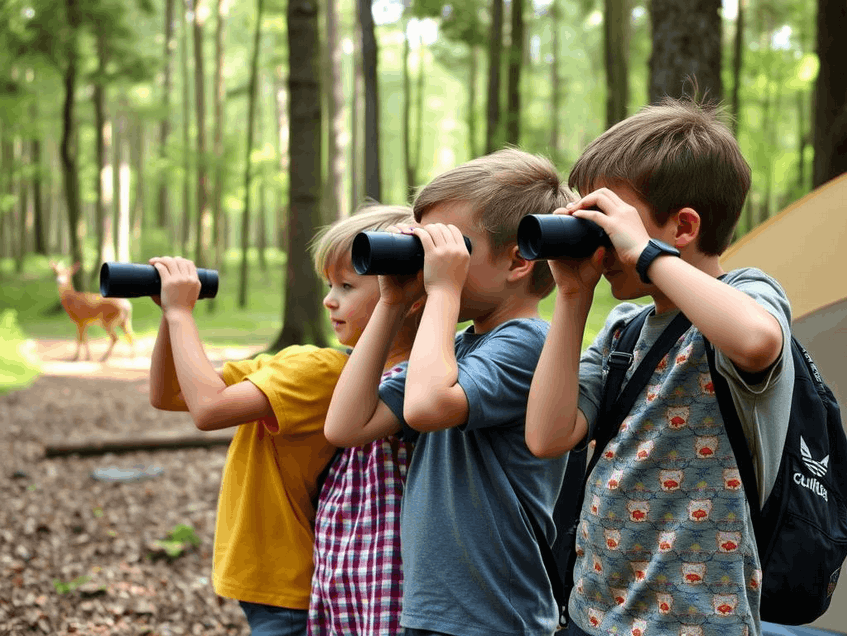
Wildlife Watching Kit: Create a special kit with binoculars, a wildlife guidebook, and a notebook to encourage observing animals from a safe distance.
Food Storage Practice: Make proper food storage a family responsibility. Have children help pack food in appropriate containers and practice hanging food bags or using bear canisters where required.
Animal Track Identification: Bring a track identification guide and look for animal tracks around your campsite. Make plaster casts of interesting tracks as a learning activity.
Wildlife Safety Scenarios: Role-play different wildlife encounters and practice appropriate responses (backing away slowly, making noise, etc.).
Age-Appropriate Variations
| Age Group | Wildlife Rules | Teaching Approach |
| Toddlers (2-4) | Simple "look but don't touch" rule for all animals | Picture books; simple explanations; constant supervision |
| Young Children (5-8) | No feeding animals; understanding why wild animals need space | Wildlife identification games; supervised observation |
| Older Children (9-12) | Food storage responsibility; understanding animal behavior | Track identification; research local wildlife before trip |
| Teens (13+) | Advanced wildlife safety; appropriate responses to encounters | Wildlife photography; ecosystem understanding |
Real-Life Scenario: Ten-year-old Max spotted a bear while camping with his family in Yosemite. Remembering the wildlife safety rules his parents taught him, he calmly backed away and quietly alerted his family without running or screaming. The family grouped together, made themselves look larger, and made noise until the bear moved on. Afterward, they checked their campsite to ensure all food was properly stored in the provided bear boxes.
Water Safety Rules

Essential Rules
- Adult supervision required - Never approach water without an adult present
- Life jackets - Wear properly fitted life jackets for all water activities
- Water boundaries - Stay within designated swimming areas
- Buddy system - Always have a swimming partner
- Weather awareness - Exit water immediately during storms or adverse conditions
Teaching Methods
Life Jacket Fitting: Have children participate in selecting and properly adjusting their own life jackets. Teach them how to check if it's snug enough (you shouldn't be able to lift it over their head).
Water Safety Signals: Establish hand signals for water communication such as "come in," "stay there," or "I need help."
Swimming Ability Assessment: Before any water activities, honestly assess each child's swimming abilities and establish appropriate boundaries.
Weather Watching: Teach children to notice weather changes that might affect water safety, like darkening clouds or increasing winds.
Age-Appropriate Variations
| Age Group | Water Safety Rules | Teaching Approach |
| Toddlers (2-4) | Always within arm's reach; life jacket at all times near water | Constant physical supervision; positive reinforcement |
| Young Children (5-8) | Life jacket requirement; clear boundaries; adult permission | Swimming lessons before trip; water safety stories |
| Older Children (9-12) | Buddy system; swimming ability assessment; weather awareness | Junior lifeguard concepts; responsible water play |
| Teens (13+) | Advanced water safety; current and condition assessment | First aid training; supervising younger siblings |
Real-Life Scenario: The Williams family camps regularly near a lake. They established a rule that no one goes near the water without first announcing "water time" to the family. Their children know they must wear life jackets even for wading and must demonstrate the proper fit before each water session. Eight-year-old Sophia is learning to kayak but knows she must stay within 20 feet of shore and within sight of her parents at all times.
Weather Safety and Awareness

Essential Rules
- Weather preparedness - Check forecasts before and during camping trips
- Thunder and lightning safety - If you hear thunder, seek shelter immediately
- Appropriate clothing - Dress in layers and be prepared for changing conditions
- Sun protection - Use sunscreen, hats, and sunglasses to prevent sunburn
- Shelter awareness - Know where to go during severe weather
Teaching Methods
Weather Watching: Make checking the weather forecast part of your daily camping routine. Involve children in interpreting weather signs like cloud formations or wind changes.
Lightning Safety Drill: Practice what to do during a thunderstorm. Teach the 30/30 rule: seek shelter if thunder follows lightning within 30 seconds and stay there for 30 minutes after the last thunder.
Layering Demonstration: Show children how to properly layer clothing for changing weather conditions. Create a simple rhyme to remember: "Cotton kills, wool's the winner when the weather's getting thinner."
Sunscreen Timer: Make applying sunscreen fun by setting a timer for reapplication every two hours. Create a sunscreen song or dance to make it memorable.
Age-Appropriate Variations
| Age Group | Weather Safety Rules | Teaching Approach |
| Toddlers (2-4) | Adults manage weather safety; simple "come when called" rule | Weather-appropriate dress-up games; simple explanations |
| Young Children (5-8) | Basic weather awareness; knowing when to seek shelter | Cloud identification games; weather safety stories |
| Older Children (9-12) | Understanding weather patterns; appropriate responses | Weather journal; helping pack appropriate clothing |
| Teens (13+) | Advanced weather reading; emergency preparedness | Weather app monitoring; helping plan for conditions |
Real-Life Scenario: During a family camping trip in Colorado, 12-year-old Tyler noticed dark clouds building in the afternoon. Remembering what his parents taught him about mountain weather patterns, he alerted the family that a thunderstorm might be approaching. The family quickly secured loose items, ensured their tent was properly staked, and moved to the campground shelter before the storm hit. Tyler's awareness helped the family stay dry and safe.
Tool and Equipment Safety

Essential Rules
- Tools are not toys - Camping tools are for specific purposes only
- Adult permission required - Never use tools without adult supervision and permission
- Proper storage - Keep tools in designated areas when not in use
- Age-appropriate tools - Only use tools suitable for your age and skill level
- Tool safety knowledge - Learn proper handling and usage techniques
Teaching Methods
Tool Introduction: Formally introduce camping tools to children, explaining their purpose, proper use, and safety considerations. For younger children, provide "kid-friendly" alternatives like plastic utensils for meal preparation.
Supervised Practice: Allow appropriate-aged children to practice using tools under close supervision, starting with simpler tools like flashlights before progressing to more complex ones.
Tool Storage System: Create a clear system for tool storage, such as a special box or bag, and make proper storage part of the camping routine.
Safety Demonstration: Demonstrate the consequences of improper tool use (on objects, not people) to help children understand potential dangers without frightening them.
Age-Appropriate Variations
| Age Group | Tool Safety Rules | Teaching Approach |
| Toddlers (2-4) | No access to tools; "ask first" rule for all equipment | Simple explanations; redirection to appropriate activities |
| Young Children (5-8) | Basic tool identification; understanding "off-limits" items | Kid-friendly alternatives; supervised simple tool use |
| Older Children (9-12) | Proper tool handling; supervision requirements | Graduated responsibility; skill-building exercises |
| Teens (13+) | Advanced tool use; maintenance responsibility | Supervised independence; teaching younger siblings |
Real-Life Scenario: Fourteen-year-old Jacob has been camping with his family since he was young. After years of learning proper tool safety, his parents now allow him to use a camping knife for appropriate tasks after a safety review at the beginning of each trip. They established a "tool zone" away from younger siblings where Jacob can work on projects like whittling or preparing kindling. He knows to always announce when he's using the knife and to store it in its sheath in a designated container when finished.
Emergency Preparedness and Response

Essential Rules
- Emergency signals - Know how to use whistles and other signaling devices
- First aid basics - Understand basic first aid for common camping injuries
- Emergency contacts - Know how and when to seek help from rangers or emergency services
- Meeting point - Establish a family meeting point if separated
- Stay put if lost - If separated, stay where you are and make noise
Teaching Methods
Whistle Practice: Teach the universal distress signal (three short blasts) and practice responding to it. Give each child their own whistle to wear around their neck.
First Aid Basics: Introduce age-appropriate first aid skills like cleaning a small cut or recognizing signs of dehydration. Let children help pack and organize the first aid kit so they know what's available.
Emergency Role-Play: Practice various emergency scenarios through role-play. Take turns being the "injured" person and the "helper."
"Hug a Tree" Training: Teach children the "Hug a Tree" survival program - if lost, stay put, hug a tree, and make noise rather than wandering further.
Age-Appropriate Variations
| Age Group | Emergency Rules | Teaching Approach |
| Toddlers (2-4) | Simple "stay put" rule if separated; recognizing uniforms | Basic whistle use; identifying "helper people" |
| Young Children (5-8) | Basic emergency response; whistle use; "hug a tree" if lost | Role-playing scenarios; simple first aid practice |
| Older Children (9-12) | First aid basics; emergency contact information; helping others | First aid kit familiarity; emergency scenario practice |
| Teens (13+) | Advanced first aid; emergency decision-making; leadership | First aid certification; emergency responsibility roles |
Real-Life Scenario: Nine-year-old Olivia was collecting pinecones near her family's campsite when she realized she couldn't see the tent anymore. Remembering what her parents taught her, she stayed where she was, hugged a tree, and blew her whistle in the pattern they had practiced (three short blasts, pause, repeat). Her father quickly located her by following the sound. After the incident, the family reviewed their emergency procedures and added reflective tape to Olivia's jacket for better visibility.
Personal Hygiene and Health

Essential Rules
- Hand hygiene - Wash hands before meals and after using restrooms
- Hydration - Drink plenty of water throughout the day
- Safe drinking water - Only drink water from approved sources
- Tick checks - Perform daily tick checks, especially after hiking
- Sun protection - Apply and reapply sunscreen regularly
Teaching Methods
Hand Washing Song: Create a fun 20-second song for proper hand washing duration. Use biodegradable soap and teach proper techniques even in outdoor settings.
Hydration Challenge: Make staying hydrated fun by decorating personal water bottles and creating a family hydration challenge with small rewards for meeting water intake goals.
Tick Check Buddies: Teach children about ticks and make daily tick checks a routine. For older children, establish "tick check buddies" who help check hard-to-see areas.
Sunscreen Clock: Create a visual "sunscreen clock" showing when reapplication is needed. Set alarms or use natural events (like "after swimming" or "after lunch") as reminders.
Age-Appropriate Variations
| Age Group | Hygiene Rules | Teaching Approach |
| Toddlers (2-4) | Adult-managed hygiene; simple hand washing | Songs and games; positive reinforcement |
| Young Children (5-8) | Basic hygiene routines; understanding germs | Hygiene responsibility charts; supervised practice |
| Older Children (9-12) | Independent hygiene; understanding consequences | Scientific explanations; personal hygiene kits |
| Teens (13+) | Advanced hygiene awareness; helping younger siblings | Health education; responsibility for family hygiene |
Real-Life Scenario: The Martinez family created a camping hygiene station with a water dispenser, biodegradable soap, and paper towels. They established the "clean hands club" where family members must wash hands before every meal and after using the restroom. Six-year-old Lucas became the "hydration hero," reminding everyone to drink water throughout the day and tracking consumption on a fun chart. After hiking, they perform the "tick check dance," a systematic way to check for ticks while making it fun rather than scary.
Implementing Safety Rules Effectively

Teaching camping safety rules is most effective when done consistently and positively. Here are strategies to help your children embrace these rules:
Before Your Trip
- Create a visual safety chart together
- Practice skills in your backyard
- Read books about camping safety
- Watch educational videos together
- Involve kids in packing safety gear
During Your Trip
- Review rules upon arrival
- Use positive reinforcement
- Create safety-related games
- Assign age-appropriate responsibilities
- Lead by example at all times
After Your Trip
- Discuss what went well
- Acknowledge good safety practices
- Identify areas for improvement
- Update your safety plan
- Build on knowledge for next trip
Remember: Frame safety rules positively rather than through fear. Instead of "Don't go near the water or you'll drown," try "We always have an adult with us near water so we can have fun safely." This approach teaches caution without creating anxiety about outdoor experiences.
Frequently Asked Questions

At what age can children start learning camping safety rules?
Children as young as 2-3 years old can begin learning simple camping safety concepts like "stay where I can see you" and "don't touch the fire." As they grow, gradually introduce more complex rules and explanations. The key is to match the rules and teaching methods to their developmental stage and comprehension level.
How do I teach safety without making my children afraid of the outdoors?
Focus on empowerment rather than fear. Present safety rules as tools that allow for more freedom and fun, not as restrictions. Use positive language, demonstrate confidence in their abilities, and balance safety discussions with excitement about outdoor adventures. Emphasize that rules exist to help everyone enjoy nature safely.
What's the best way to handle a child who doesn't want to follow safety rules?
First, ensure they understand the "why" behind each rule. Children are more likely to comply when they understand the purpose. Create natural consequences related to the rule (e.g., if they don't wear a life jacket, they can't go near the water). Remain consistent and consider using a reward system for younger children. For persistent issues, you might need to temporarily limit certain activities until safety habits improve.
Should I teach my children about worst-case scenarios?
Yes, but in an age-appropriate and non-frightening way. Frame these discussions as "what to do if..." rather than dwelling on scary possibilities. For younger children, focus on simple response actions. For older children, you can discuss more detailed emergency responses while emphasizing that serious problems are rare when proper safety measures are followed.
How do I balance safety with allowing my children to explore and take risks?
Calculated risk-taking is actually beneficial for child development. Create "challenge by choice" opportunities within safe parameters. For example, allow climbing on logs but establish height limits, or permit independent exploration within clearly defined boundaries. Gradually expand these parameters as children demonstrate responsibility and good judgment.
Conclusion: Empowering Kids Through Safety Education
Teaching your children camping safety rules does more than just protect them from potential hazards—it empowers them to become confident, responsible outdoor enthusiasts. By understanding how to navigate challenges and respond to situations appropriately, children develop independence, decision-making skills, and a deeper connection with nature.
Remember that safety education is an ongoing process. Start with the basics, build gradually, and reinforce concepts through practice and positive experiences. When children understand the "why" behind rules and see them as enablers of adventure rather than limitations, they're more likely to embrace them willingly.
Your family camping trips will become not just memorable adventures but also valuable learning experiences that equip your children with life skills that extend far beyond the campsite. By balancing safety with exploration, you're giving your children the greatest gift: the confidence and knowledge to safely enjoy the wonders of the natural world.
Ready for Your Next Family Camping Adventure?
Download our free printable "Camping Safety Rules for Kids" checklist to keep these important guidelines handy during your next outdoor trip. This colorful, kid-friendly guide makes it easy to review safety rules with children of all ages.
Download Free Safety Checklist
DISCLAIMER
This document is provided for general information purposes only and should not be relied upon as providing legal advice, technical, or specific operational guidance to the reader, whether as to the practices described in the document or the applicable legal requirements and regulations. bestcampingdeals.com expressly disclaims any responsibility for liability arising from or related to the use or misuse of any information in this document.