10 Aesthetic Glamping Styles: From Boho to Modern Minimalist Retreats
Glamping lets you enjoy nature without giving up comfort or style. Whether you’re drawn to colorful boho designs or sleek modern looks, you can shape your outdoor space to fit your vibe.
The right aesthetic transforms a basic camping trip into an experience you’ll remember. It’s all about making the outdoors feel a little more like home—just with better views.
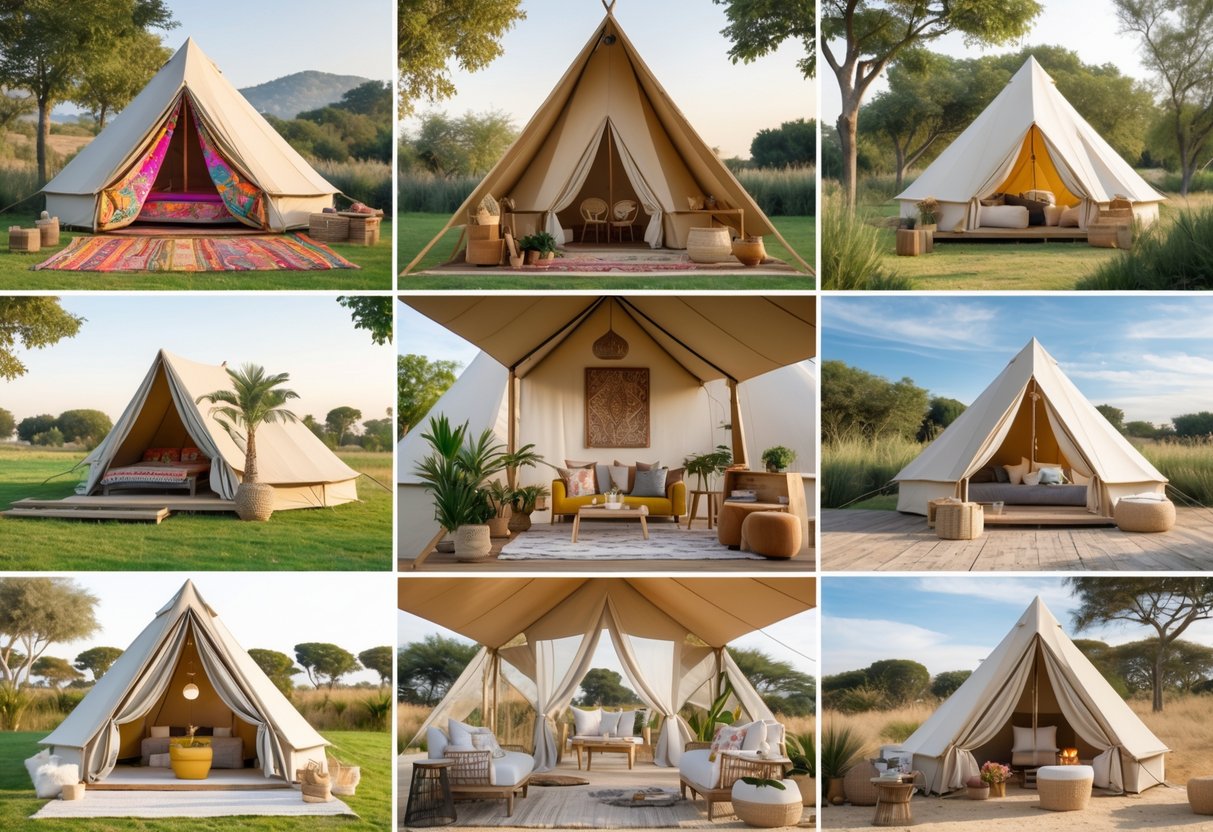
Ten distinct glamping styles offer options for every personality, from free-spirited bohemian setups with layered textiles to sleek minimalist retreats with neutral tones and premium materials.
Each style uses its own colors, furnishings, and decor for a unique feel. You might go for romantic themes with soft fabrics, bold family-friendly spaces, or rustic alpine hideaways.
Start by picking a style that fits how you want to spend your time outdoors. Some designs suit couples craving privacy, while others work better for families or groups.
These styles show how you can turn any tent or outdoor structure into a space that feels like yours.
Key Takeaways
- Glamping styles run the gamut from bohemian and romantic to modern minimalist and family-friendly
- Every aesthetic uses its own palette, textures, and furnishings for a distinct vibe
- You can blend elements from different styles to make any outdoor space your own
Overview of Aesthetic Glamping
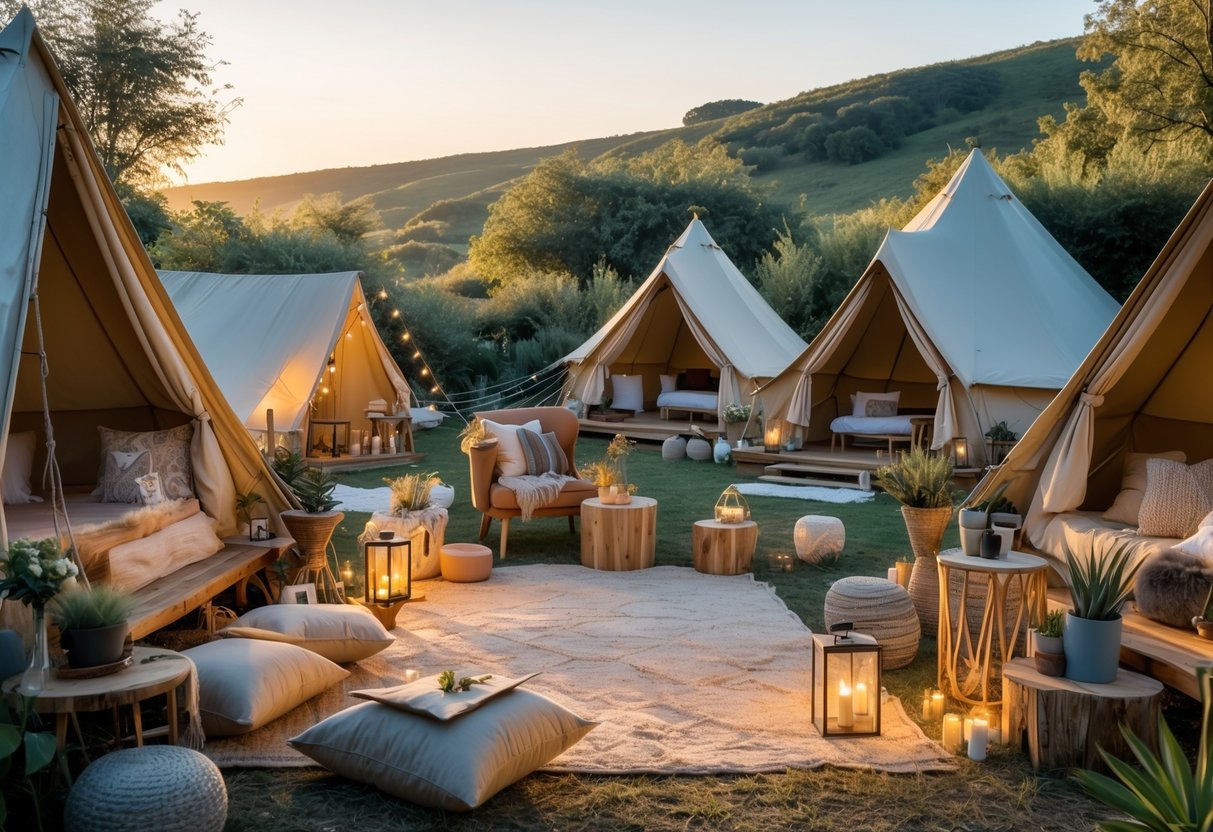
Glamping blends outdoor adventure with comfort and style through thoughtful design. You get the natural setting of camping, but you don’t have to rough it.
What is Glamping?
Glamping mashes up “glamorous” and “camping” to describe outdoor stays with hotel-like perks. Instead of basic camping tents, you sleep in bell tents, yurts, or pods.
Real beds, proper lighting, and even climate control can all be part of the setup. Some sites offer private bathrooms, kitchenettes, and electricity, so you’re not exactly roughing it.
You can book a glamping site or create your own outdoor retreat. Some people just add cozy bedding to a tent, while others go all out with cabins that have running water.
Key Elements of Glamping Aesthetics
Start with comfortable furniture—real mattresses, plush pillows, and nice linens beat sleeping bags every time. Rugs help soften up the space and add warmth.
Lighting matters. String lights, lanterns, and candles bring that soft glow after dark. Wood, canvas, and woven textiles help tie your setup to the outdoors.
Essential aesthetic elements include:
- Layered textiles (throws, cushions, blankets)
- Natural wood furniture or accents
- Warm lighting options
- Plants or floral arrangements
- Decorative storage solutions
Your color palette and style set the tone. Boho glamping leans into earthy tones and patterns. Modern setups stick with neutrals and clean lines.
Benefits of Stylish Outdoor Retreats
Good glamping setups make outdoor trips more comfortable and less of a hassle. You don’t have to mess with complicated tents or sleep on the ground.
The extra comfort can convince even camping skeptics to give it a try. Real beds help your body rest better than thin pads ever could.
Glamping works for all kinds of occasions—celebrations, romantic trips, family getaways. The stylish touches make these spaces feel special and totally Instagram-worthy.
The Classic Bell Tent Experience
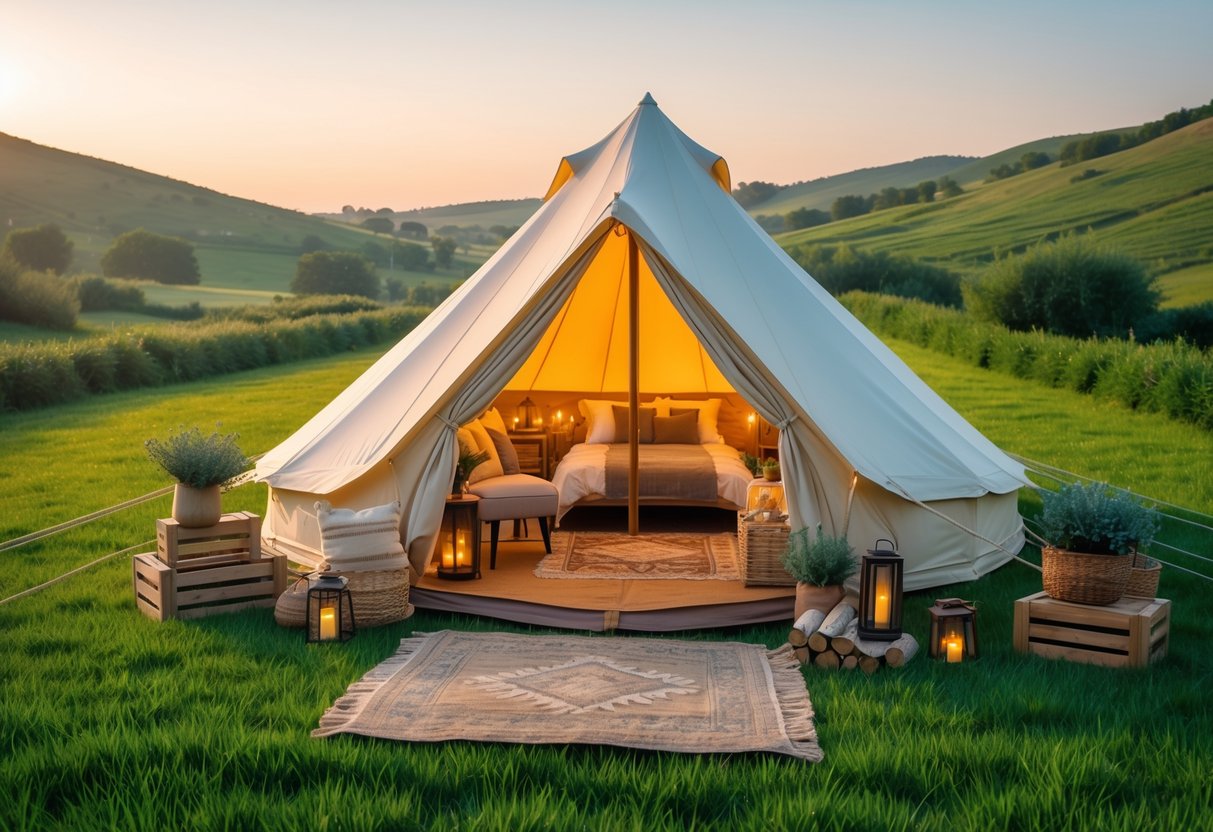
Bell tents offer roomy interiors and flexible design, which makes them a favorite for lots of glamping styles. The circular canvas shape feels open and adaptable for boho setups, family camping, or just a cozy retreat.
Bell Tents: Spacious Comfort and Versatility
Bell tents use a single central pole to create high ceilings and open floors. The round layout lets you stand up and move around—way better than crouching in a standard tent.
Most bell tents measure 13 to 20 feet across, which is plenty of space for beds, chairs, and storage. The canvas breathes but keeps out rain and wind, so you stay comfy in different weather.
You can fit a queen-size air mattress and still have space for a table or storage bins. The sturdy build handles summer heat or even a bit of snow.
Key features of bell tents:
- Single-pole setup for quick assembly
- Vertical walls that create more usable space
- Fire-retardant canvas options
- Built-in groundsheets or removable floors
- Stove jack holes for wood stoves
Cozy Boho Bell Tent Styling
Boho glamping turns your bell tent into a relaxed, artsy getaway. Layer Afghan rugs and woven mats for texture and warmth underfoot.
Bring in floor cushions, macrame, and patterned textiles in earthy shades like terracotta or mustard. Mix neutrals with pops of color—think cream throws with bold pillows.
Hang dreamcatchers, string lights, or bunting from the center pole. Low seating like pouffes or folding stools keeps things casual and inviting.
Natural materials fit right in. Wicker baskets hold supplies and add to the look. A few potted plants or dried flowers bring some life to the space.
Family-Friendly Bell Tent Setups
Bell tents make family glamping easy. Arrange air mattresses or sleeping pads around the edge, leaving the middle open for hanging out during the day.
Bright colors work well for kids’ areas. Swap candles for battery lanterns to keep things safe.
Set up a play zone with toys or books on waterproof mats. Add blankets and pillows for cozy reading spots.
If you can, choose a tent with a covered porch so kids have somewhere to play if it rains. Pack extra stakes and guy lines for windy days, and bring a portable charger for devices.
Yurts and Geodesic Domes: Nature Meets Design
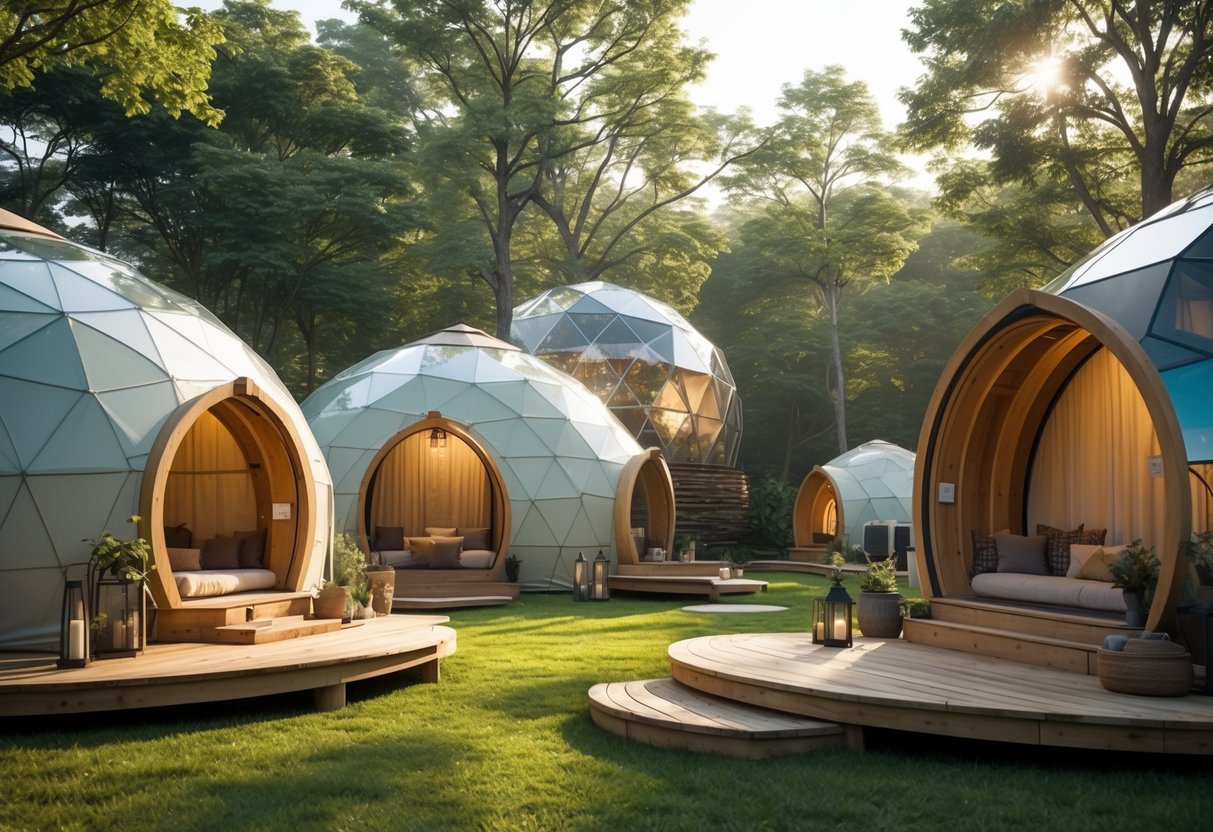
Circular structures like yurts and geodesic domes give you a strong sense of space and connection to the outdoors. Both maximize interior room while keeping the environmental impact low through smart design and natural materials.
Modern Yurt Retreats
Modern yurts have moved way beyond their nomadic roots. Today’s luxury yurt designs might include climate control, full kitchens, and stylish interiors that compete with boutique hotels.
The round layout naturally brings people together. Arrange furniture around the center for a cozy, open feel—even in smaller yurts.
Canvas walls and wood lattice frames are still standard, but now you’ll often find big windows and skylights that flood the space with light.
Key modern yurt features include:
- Insulated fabric walls for comfort in any season
- Hardwood floors on raised platforms
- Full bathrooms with running water
- Solar panels for off-grid living
The diamond-pattern lattice walls add built-in texture, so you don’t need much wall art. Many glamping sites offer yurts with king beds, wood stoves, and private decks for outdoor lounging.
Geodesic Dome Glamping
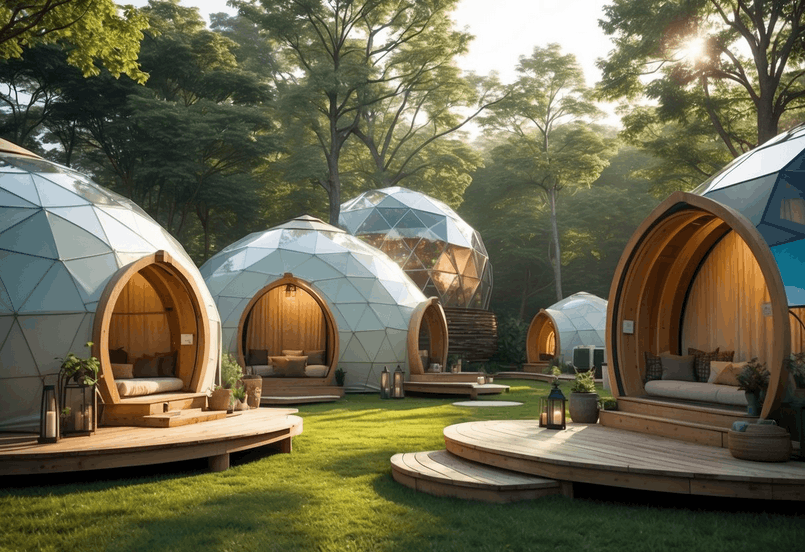
Geodesic domes pack a lot of strength into a lightweight design. The triangular panels spread weight evenly, so these domes stand up to snow and wind better than most tents.
Some domes have glass panels for full-on nature views. You can stargaze from bed or wake up to mountains through floor-to-ceiling windows.
The geometric shape feels roomy, even if the dome isn’t huge—sizes usually range from 16 to 30 feet across.
Many geodesic dome glamping sites feature:
- Transparent or frosted panels
- Wood-burning stoves as cozy centerpieces
- Plush bedding and modern furniture
- Raised platforms for better views
Curved walls make decorating tricky. Fitted furniture and flexible storage work better than boxy pieces. Some domes have quilted linings that help with sound and warmth.
Blending Tradition and Innovation
Yurts and geodesic domes both stand out as eco-friendly glamping choices. They use fewer materials than regular buildings and leave a smaller footprint if set up temporarily.
Traditional yurts use renewable materials like wool, wood, and canvas. Modern versions add comforts but stick to those roots. Geodesic domes borrow from nature’s efficient designs, building strength from simple parts.
You’ll see some hybrids out there—domes with fabric stretched over frames, or yurts with heated floors and smart lighting. The round shape of both encourages you to pack light and think carefully about your space.
There’s something about living simply and intentionally in these structures that makes glamping in them really appealing.
Unique Glamping Abodes: Treehouses, Safari Tents, and Tipis
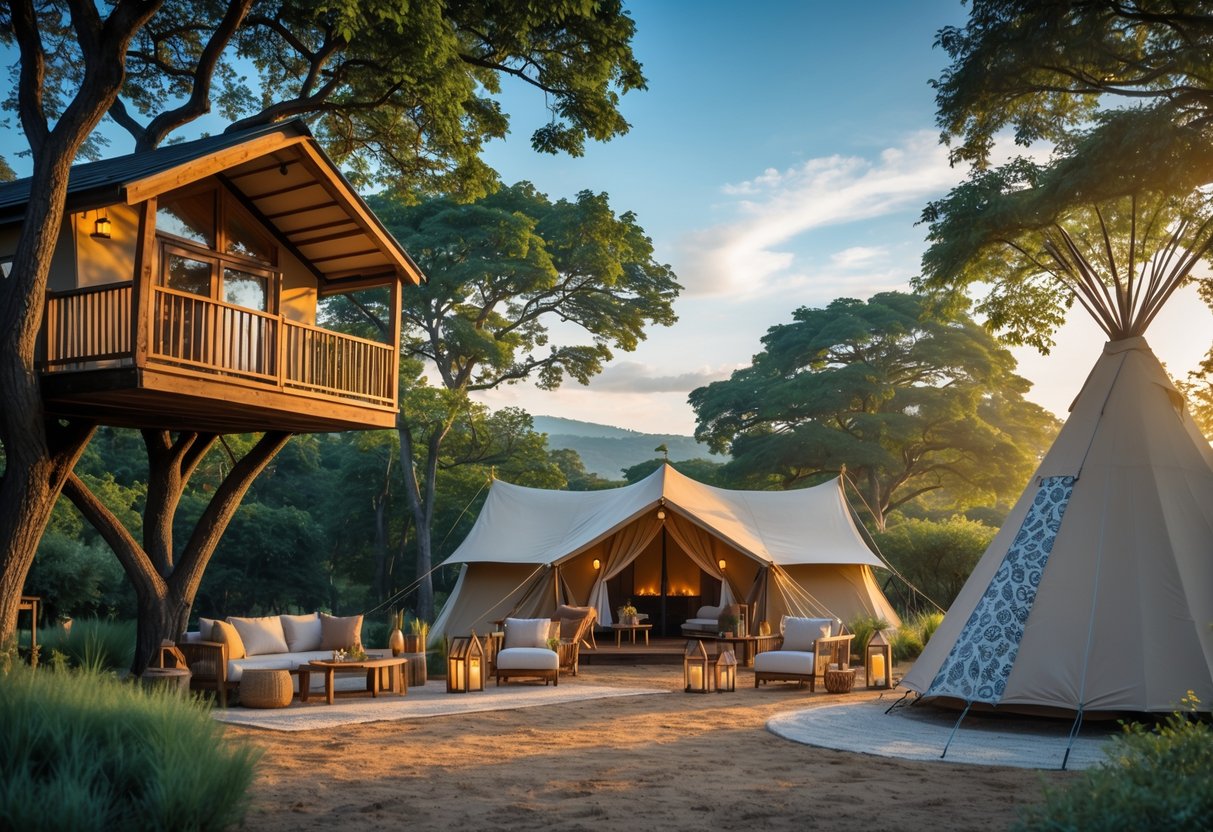
These three glamping structures bring a sense of adventure and comfort in their own ways. Treehouses lift you above the forest for wildlife watching, safari tents give you spacious elegance and hotel-level amenities, and tipis connect you to traditional outdoor living with a rich cultural history.
Treehouse Escapes in the Canopy
Treehouses lift you 10 to 40 feet above the ground. From up there, you get a fresh perspective on nature.
Branches and leaves surround you, and birds or squirrels might become your neighbors. Modern luxury treehouses come with real beds, private bathrooms, and climate control systems.
Many have wraparound decks where you can sit and watch the forest below. The elevated position gives you privacy that ground-level places just can’t offer.
Key features you can expect:
- Full plumbing with hot showers
- Quality mattresses and bedding
- Heating and air conditioning
- Large windows framing forest views
- Sturdy stairs or elevator access
Weather changes the whole experience. Rain sounds different when you’re up in the leaves.
Morning light filters through the canopy before it hits the ground. Wildlife moves through the trees at your eye level instead of above you.
Getting there usually means climbing stairs or using an elevator, so check mobility requirements before you book. Prices generally run from $200 to $400 per night.
Safari Tent Luxury
Safari tents stand apart from other glamping sites thanks to their generous space and upright walls. The wooden frames and weather-treated canvas make rooms tall enough for you to walk through without ducking.
The interior space rivals a hotel room. You get separate areas for sleeping, lounging, and dining.
Many safari tents include en-suite bathrooms with proper showers and toilets. Real furniture replaces the usual camping gear.
What makes safari tents spacious:
- Vertical walls instead of sloped sides
- 400+ square feet of living space
- Multiple rooms or divided areas
- Outdoor decks extending your space
Families and groups love having room to spread out. You can move around comfortably and still have privacy, even when sharing the tent.
The canvas walls insulate while keeping that outdoor camping vibe. These tents work year-round in most climates, with proper ventilation to prevent moisture and heating systems for cold weather.
Expect to pay $180 to $350 per night depending on location and amenities.
Tipis for Rustic Charm
Tipis bring traditional Native American design into modern glamping. The cone shape and central pole system have worked for centuries because they handle wind and weather really well.
Modern glamping tipis add comfort but keep the authentic structure. You’ll sleep on real beds, not sleeping bags.
Some tipis include wood stoves for heat and lighting. The circular interior creates a cozy gathering space that feels totally different from rectangular rooms.
Traditional elements you'll find:
- Canvas or hide-like exterior covering
- Wooden pole framework
- Smoke flap at the top
- Low doorway entrance
The open floor plan lets you arrange furniture however you want. Many tipis have comfortable seating around a central area, making a natural spot for conversation.
Large groups often pick tipis for outdoor adventures since several people can sleep in one. Tipis work best in three seasons.
Winter camping needs extra heating beyond a basic wood stove. Prices run from $100 to $200 per night, so they're more affordable than treehouses or big safari tents.
Retro and Modern On-the-Go: Airstreams and Glamping Pods
Airstreams bring vintage charm to glamping, while modern glamping pods offer a fresh spin on outdoor adventure. Both give you unique ways to experience nature without giving up comfort.
Vintage Airstream Glamping
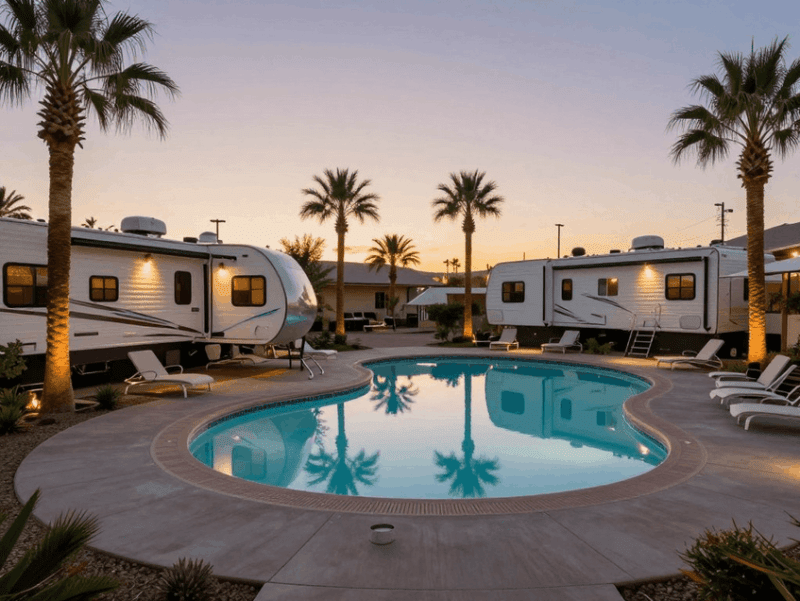
Airstreams have become icons at glamping retreats all over the country. These silver trailers blend 1950s nostalgia with modern amenities like full kitchens, comfortable beds, and climate control.
You'll find them at campgrounds from coast to coast, usually with updated interiors and stylish furniture. Contemporary appliances meet retro vibes.
The best part of an airstream stay is its unique character. Each trailer tells its own story while still giving you practical features for a comfortable trip.
Many glamping destinations put these vintage trailers in scenic spots so you can enjoy the view right from your door.
Popular Airstream Features:
- Full bathroom facilities
- Kitchen with modern appliances
- Air conditioning and heating
- Outdoor seating areas
- Retro-inspired decor with modern updates
Glamping Pods and Cabins
Glamping pods take a different approach to outdoor adventure. These compact structures combine durability with modern design.
You get weather-tight walls, real beds, and usually electricity—no tent setup needed. Pods work well for families since they provide separate sleeping spaces in a small footprint.
Many include front decks where you can relax outside. Insulated walls keep you warm in winter and cool in summer.
Most glamping pods come with basic furniture and storage space. Sometimes you bring your own bedding, but others offer full hotel-style amenities.
The pod design shields you from the weather while keeping you close to nature.
Boho and Modern Minimalist Glamping Styles
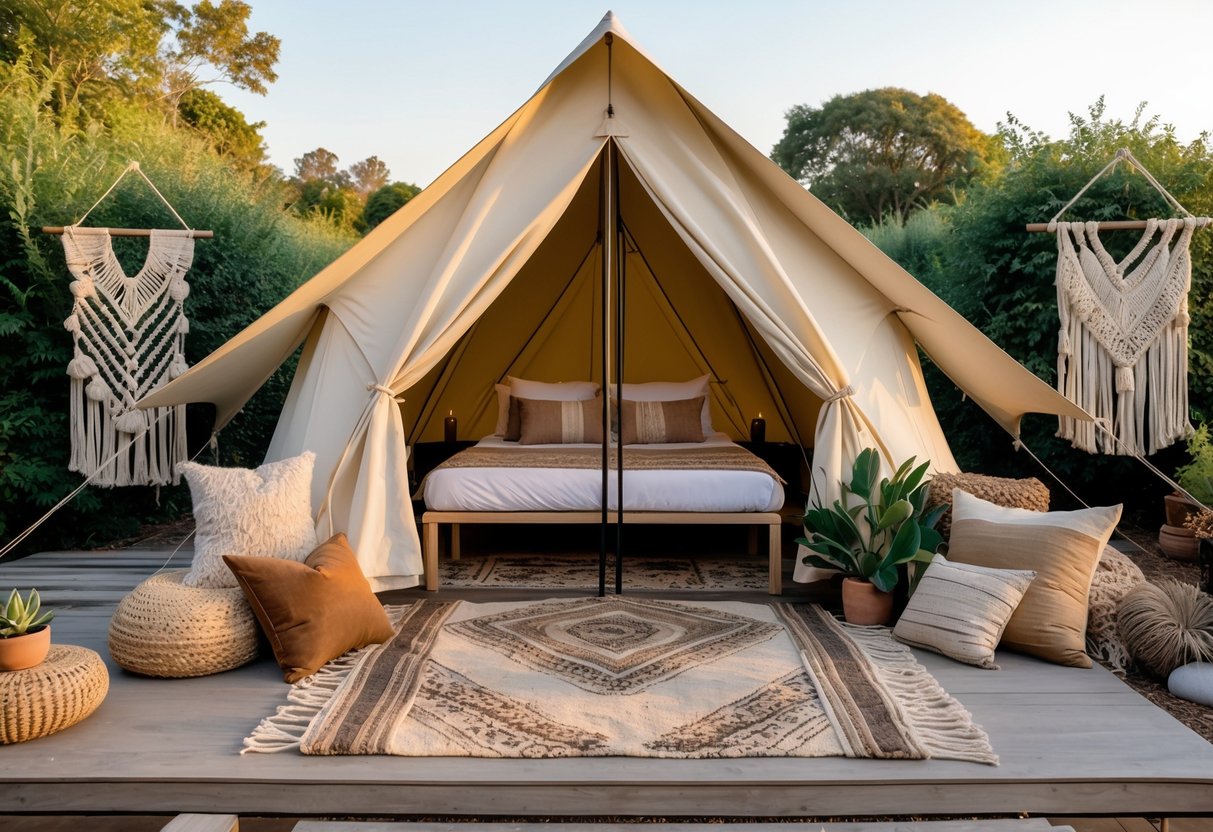
Two main styles dominate glamping design—bohemian freedom with layered textures, and modern minimalism with clean simplicity. Both use earthy tones and natural materials, but each offers a different way to enjoy comfort outdoors.
Boho Living: Free-Spirited and Eclectic
Boho living brings a relaxed, artistic vibe to glamping spaces. You can layer rugs with different patterns and textures across your tent floor.
Mix terracotta, mustard yellow, and sage green throughout your space. Handmade textiles like macrame wall hangings and woven baskets add storage and style.
Furniture should include low seating options—floor cushions and poufs work great. Dreamcatchers and patterned pillows in tribal or geometric designs give your space personality.
Essential Boho Elements:
- Canvas bell tents with natural cotton fabric
- Afghan rugs with bold patterns
- Hand-painted wooden furniture
- Storage poufs that double as seating
- Lanterns for ambient lighting
Create a meditation corner with a hanging chair or floor cushions. Cotton fabrics keep your space breathable in summer.
Books and blankets look great in woven baskets, keeping things artistic but organized.
Modern Boho: Clean Lines with Artistic Touches
Modern boho style balances that free-spirited vibe with sleek, simple elements. You’ll want to find a sweet spot between layered textures and uncluttered spaces.
Start with a neutral base—cream, white, or beige. Add bohemian decor through a few select pieces, not everywhere.
Pick one macrame statement piece instead of covering every wall. Choose furniture with simple shapes but natural wood finishes.
Stick to muted earthy tones like dusty rose, sand, or soft gray. Add a pop of color with a few patterned pillows or a single vintage rug.
This style lets you show some artistic flair without the chaos. Keep surfaces clear and use hidden storage.
Modern boho works best for those who want a bit of personality but prefer a tidy space.
Minimalist Design: Simplicity in Nature
Minimalist design strips your glamping space down to just the essentials. You focus on quality, not quantity.
Neutral colors—white, gray, natural woods—make the space feel calm. Furniture should have clean lines and simple shapes.
One teak table and two chairs often beat a bunch of mismatched pieces. Textiles should be high-quality, in solid colors or with subtle textures.
Minimalist Glamping Checklist:
| Element | Recommendation |
|---|---|
| Color Palette | Neutral tones: white, beige, gray |
| Furniture | Simple shapes, natural materials |
| Lighting | Soft, diffused options |
| Decor | Maximum 3-5 pieces total |
Natural light becomes your best feature. Position your tent to catch sunrise or sunset views.
Add just one or two statement pieces—maybe a velvet cushion or eucalyptus branch. Let nature be your main decoration while you stay comfy inside.
Eco-Friendly and Sustainable Glamping
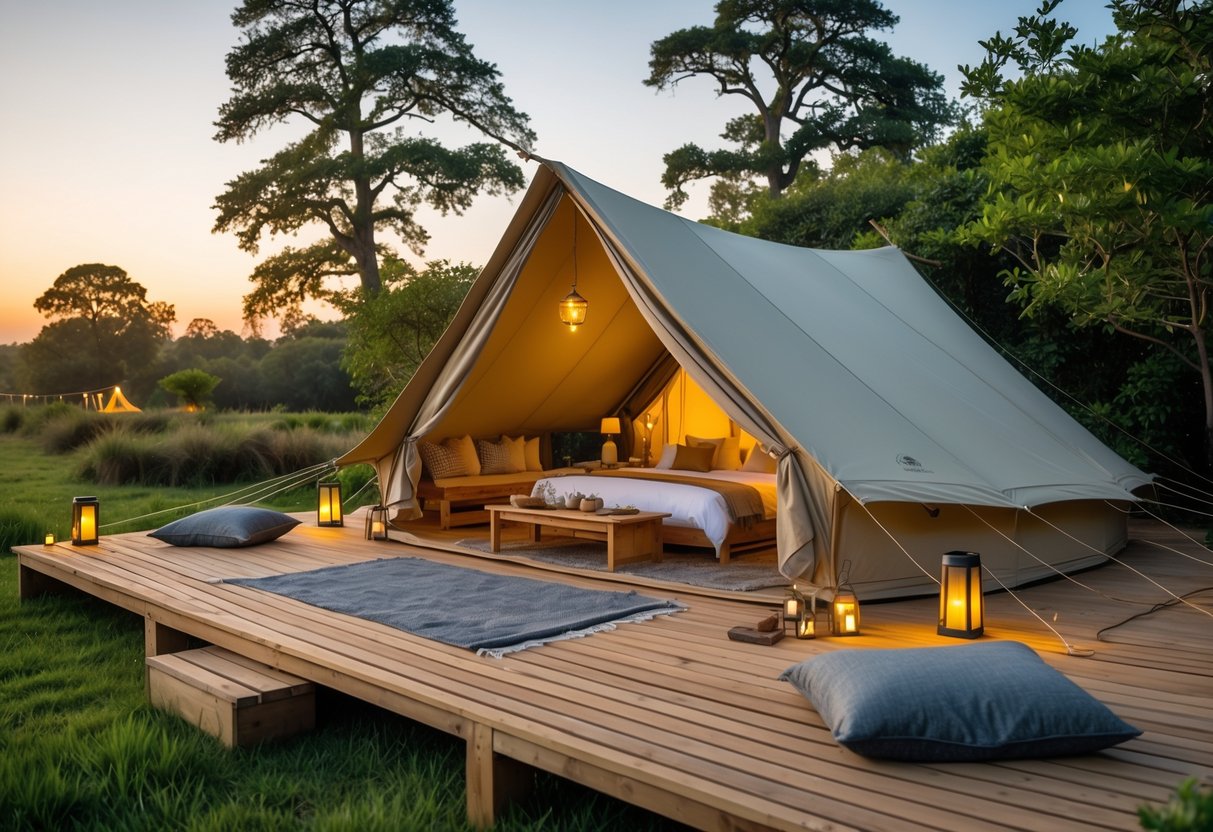
Eco-friendly glamping combines comfort with environmental responsibility. You’ll see renewable energy, natural materials, and waste reduction in action.
Sustainable retreats use solar power, reclaimed wood, and organic textiles. These choices minimize environmental impact while keeping things stylish.
Sustainable Materials and Decor
Your eco-friendly glamping setup should feature natural materials like bamboo, reclaimed wood, and organic cotton. These are renewable and biodegradable, unlike synthetic stuff that just ends up as waste.
For glamping decor ideas, go for furniture made from sustainably harvested wood or recycled metal. Bamboo flooring is a solid pick since it grows fast and doesn’t need replanting.
Organic cotton or linen bedding feels great and skips the chemicals. Rugs made from jute, hemp, or wool are durable and break down naturally when you’re done with them.
For wall coverings, consider reclaimed wood panels or organic canvas. Avoid plastic decorations—clay, stone, or natural fibers look better anyway.
Vintage or secondhand furniture helps reduce waste. Many sustainable glamping sites use local materials to support nearby communities and cut down on transport emissions.
Choose paint and finishes that are low-VOC or made from natural stuff like milk paint or clay-based products.
Solar Power and Off-Grid Living
Solar power is key for sustainable glamping. It gives you clean energy without burning fossil fuels.
Solar-powered lights let you enjoy your space at night using energy from the day. Install solar panels on your tent or cabin roof to generate electricity.
You can power small appliances, charge phones, and run LED lights this way. Many off-grid glamping sites use batteries to store extra solar energy for cloudy days.
Solar water heaters use the sun’s heat for showers, so you don’t need gas or electric water heaters. Some setups use passive solar design, placing windows to catch heat and light naturally.
For cooking, solar ovens work well for daytime meals. Propane can be a backup—it burns cleaner than wood. Wind turbines sometimes help out in breezy places.
Living off-grid means you need to manage resources carefully. Use energy-efficient appliances and LED bulbs to save power.
Water conservation—think low-flow fixtures and rainwater collection—also shrinks your environmental footprint.
Low Impact Glamping Retreats
Low impact retreats aim to leave the land as untouched as possible. Build on platforms or use existing structures instead of clearing forests or changing the landscape.
This protects the soil, plants, and wildlife habitats. Composting toilets turn waste into fertilizer and cut out the need for septic systems.
Greywater systems filter water from sinks and showers, so you can safely reuse it to irrigate plants. These setups really help reduce water waste.
Pick sites that follow "Leave No Trace" principles. Stick to marked paths, pack out your trash, and try not to disturb wildlife.
Some retreats limit visitor numbers to prevent overuse of natural areas. Support glamping businesses that buy food locally and use biodegradable cleaning products.
Plenty of sustainable sites teach guests about conservation or involve them in environmental projects. This kind of education can spread eco-friendly habits beyond your stay.
Look for retreats with green certifications like Green Key or EarthCheck. These verify that the site meets specific environmental standards.
Styling Tips: Creating Your Own Aesthetic Glamping Retreat
You don't have to spend a fortune or travel far to create a beautiful glamping space. The trick is picking comfy gear, a few stylish touches, and practical solutions that fit your vibe.
DIY Glamping Setups
Building your own retreat is easier than it sounds. Start with a shelter—maybe a bell tent, a canvas wall tent, or even a spruced-up canopy.
Add string lights or solar lanterns for a cozy glow at night. Comfortable seating makes a big difference, too.
Build comfortable seating areas with:
- Wooden pallets with outdoor cushions
- Repurposed crates as side tables
- Floor pillows on outdoor rugs
- Thrifted furniture painted in weather-resistant colors
Layer your textiles for both comfort and style. Use outdoor rugs as a base, then pile on blankets and throw pillows in patterns you love.
Hang tapestries or fabric on tent walls to hide boring surfaces. For storage, try vintage suitcases, wooden boxes, or hanging organizers.
Most DIY projects can stay under $20 per item if you use thrifted or repurposed stuff. It’s creative, affordable, and fun.
Backyard and Garden Glamping
Your own backyard can be the perfect spot for a glamping setup. Pick a flat area with some shade and good drainage.
Set up a tent or build a simple platform for sleeping. An outdoor kitchen makes cooking outside way easier.
You can put one together with a folding table, portable stove, and bins for your utensils and supplies. Add a wash station with a big basin or hook up a hose for water.
Create an outdoor lounge separate from your sleeping area. Use floor cushions, poufs, or folding chairs for flexible seating.
Install a pergola or canopy overhead for shade. Place potted plants around the edges to make natural boundaries.
Hammocks between trees or on stands work great for relaxing. String lights across the space to make evenings cozy and inviting.
Essential Glamping Gear and Decor
Quality camping gear is the base of any glamping setup. Get a good mattress or thick sleeping pad, real bedding, and pillows with washable covers.
Battery-powered fans or small heaters help with temperature control. Here’s a quick gear rundown:
| Gear Category | Essential Items |
|---|---|
| Sleeping | Air mattress, cotton sheets, quilts, pillows |
| Lighting | LED string lights, lanterns, candles in holders |
| Furniture | Folding table, camp chairs, storage bins |
| Kitchen | Portable stove, cooler, dishware, utensils |
Let your glamping decor be pretty and practical. Pick items that can handle the weather.
Outdoor rugs define spaces and keep your feet comfy. Waterproof cushions and pillows in your favorite colors pull the look together.
Add mirrors to make small spaces feel bigger and reflect light. Use baskets and bins that match your style to keep things neat.
Plants and flowers in containers bring life to your setup, even if you don’t have a garden.
Enhancing the Experience: Comforts and Finishing Touches
The right furniture, lighting, and details can turn a basic tent into a welcoming retreat. These elements create comfort and atmosphere, making glamping memorable.
Outdoor Furniture and Lounges
Pick furniture that balances style with practicality. An outdoor lounge with weather-resistant seating gives you a spot to relax outside your tent during the day.
Low-profile options like floor cushions, poufs, and bean bags fit well inside bell tents and safari-style setups. Wooden furniture with distressed finishes adds rustic charm.
Small folding tables hold your drinks, books, or meals without hogging space. For a boho vibe, try macrame stools or woven seating for extra texture.
Modern minimalist glamping feels best with clean-lined furniture in neutral colors. Place your outdoor lounge to catch nice views or make an intimate hangout spot.
Keep blankets nearby for chilly evenings. Hammocks between trees offer another easy way to relax.
Atmospheric Lighting and String Lights
Lighting totally sets the mood after dark. String lights bring a warm glow inside tents or around outdoor areas.
Drape them along tent poles, wrap them around trees, or hang them across awnings to define your space. Fairy lights work well for cozy setups and use less power.
Solar-powered lights skip the need for outlets. For a romantic touch, mix several light sources at different heights.
Lanterns and candles add soft, flickering light that feels really cozy. Battery-operated candles are safe and easy.
In bigger tents, try a statement piece like a chandelier for a focal point. Black chandeliers suit modern luxe, while colorful glass ones go with boho styles.
Cozy Touches: Cushions, Throws, and Plants
Layer soft textiles to make your space extra inviting. Drape faux fur throws over beds or seating for warmth and a bit of luxury.
Velvet cushions, wool blankets, and textured fabrics add depth and comfort. Play with patterns and materials that fit your style.
Meditation cushions work as both floor seating and comfort accessories for yoga or quiet moments. Stack cushions in corners to create reading nooks or meditation spots.
Potted plants bring life and color to your glamping setup. Pick low-maintenance types like succulents or herbs in fun containers.
Hanging plants save floor space and add visual interest. Eucalyptus garlands or faux greenery are good if you want zero maintenance.
Stargazing and Relaxation
Set up a spot just for unwinding under the stars. Arrange comfy seating with blankets and pillows for stargazing.
Put chairs or lounges away from light sources to get the best view of the night sky. Add a small side table for hot drinks or snacks.
Some glamping setups include fire pits or portable heaters so you can stay outside on cool nights. A woodburning stove adds warmth and a cozy vibe for winter glamping.
Keep entertainment simple—a portable speaker for music or a stack of books for quiet time. The main idea is to unplug and enjoy nature while staying comfortable.
Frequently Asked Questions
Glamping mixes comfort with outdoor adventure, but people have questions about design and practical stuff. Knowing the essentials helps you balance style with function.
What are the key features of a Bohemian-inspired glamping setup?
Layered textiles are the heart of boho glamping. Mix patterned rugs with solid-color cushions and add macramé wall hangings for texture.
Afghan rugs, dreamcatchers, and woven baskets bring in a handmade feel. Earthy tones like terracotta, mustard, and sage green work best as base colors.
Use cream or ivory accents to keep things light. Pick natural materials—low wooden tables, floor seating with poufs, and meditation cushions.
Hand-painted pieces and vintage textiles add personality without making it feel cluttered.
How can one achieve a minimalist aesthetic when glamping?
Start with a neutral color palette. Sandstone, white, coffee, and gray all create a calm vibe.
Monochrome schemes make small spaces feel bigger and more unified. Go for quality over quantity with furnishings—choose a couple of standout pieces in nice materials like linen or velvet.
Each item should serve a real purpose. Keep surfaces clear and use hidden storage like fabric organizers or modular cubes.
Stick with simple geometric shapes and avoid busy patterns for a true minimalist look.
What flooring options are best suited for bell tents?
Layered rugs give comfort and insulation. Start with a waterproof groundsheet, then add a big area rug to cover the floor.
Accent rugs can mark off different zones inside the tent. Foam tiles are great for families—they cushion falls, keep things warm, and are easy to clean.
They also come in neutral colors that fit most themes. Natural fiber rugs like jute or sisal are durable and suit both boho and minimalist styles.
For cold weather, sheepskin rugs add a touch of luxury.
How does glamping differ from traditional camping experiences?
Glamping means you get permanent or semi-permanent structures with real beds and furniture. You sleep on mattresses, not on the ground in a sleeping bag.
Most setups have electricity, proper lighting, and ways to control the temperature. The amenities really set glamping apart—think private bathrooms, running water, and full kitchens.
You get hotel-like comfort but in nature. With traditional camping, you bring and set up all your gear yourself.
Glamping sites come furnished and ready, so you spend less time setting up and more time enjoying the outdoors.
What are the essentials for a luxury glamping experience?
High-quality bedding makes the biggest difference. Go for comfortable mattresses, premium sheets, and plush pillows.
Layer blankets and throws for warmth and style. Lighting matters—mix practical overhead lights with decorative string lights or lanterns.
Dimmable fixtures let you set the mood. Climate control is key for year-round comfort—use wood stoves for cold, fans and good airflow for summer, and portable heaters if it gets really chilly.
What creative ideas can be incorporated into setting up a glamping mat?
Mats can help you carve out different zones inside your tent. Try putting one under the sleeping area and another beneath a seating section.
Add a third mat to mark out your dining space. This way, the whole setup feels a bit more organized, even if the floor plan's totally open.
Mix up textures and patterns for a little extra flair. You might pair a jute mat with a bright woven rug, or lay down a neutral base and toss on a geometric accent.
The contrast adds depth without needing to swap out any big furniture. It's a small change, but it really shifts the vibe.
Want more comfort? Slide some padding under your mats. Foam underlays or even a moving blanket work well and add a surprising amount of insulation.
This simple tweak makes walking or standing barefoot way nicer, especially on chilly mornings.
DISCLAIMER
This document is provided for general information purposes only and should not be relied upon as providing legal advice, technical, or specific operational guidance to the reader, whether as to the practices described in the document or the applicable legal requirements and regulations. bestcampingdeals.com expressly disclaims any responsibility for liability arising from or related to the use or misuse of any information in this document.