Best Tent Camping in New Hampshire: Your Ultimate Guide to Outdoor Adventure
New Hampshire's diverse landscapes offer some of the most breathtaking tent camping experiences in the Northeast. From the majestic White Mountains to serene lakeshores and lush forests, the Granite State provides a perfect backdrop for your outdoor adventure. Whether you're seeking challenging hikes with rewarding summit views, peaceful waterfront sites, or family-friendly campgrounds with modern amenities, New Hampshire delivers exceptional camping opportunities for every preference and skill level.
In this comprehensive guide, we'll explore the best tent camping destinations across New Hampshire, providing essential details about locations, amenities, reservation requirements, and what makes each spot special. We'll also cover seasonal considerations, wildlife safety, and must-have gear to ensure your camping trip is memorable for all the right reasons. Get ready to discover why New Hampshire has earned its reputation as a premier tent camping destination in New England.

Tent Camping in the White Mountains Region
The White Mountains region offers some of the best tent camping in New Hampshire, with breathtaking scenery, challenging hiking trails, and diverse camping options. From developed campgrounds with amenities to remote backcountry sites, this area provides experiences for every type of outdoor enthusiast.

1. Lafayette Place Campground — Franconia Notch State Park
Location: Franconia Notch State Park, Lincoln, NH
Key Features: Situated in the heart of Franconia Notch, this campground offers immediate access to some of New Hampshire's most iconic hiking trails, including the Franconia Ridge Loop and trails to Lonesome Lake. The campground is nestled between towering mountains, providing spectacular scenery from nearly every site.
Amenities: Flush toilets, coin-operated showers, drinking water, fire rings, picnic tables, and nearby access to Echo Lake Beach for swimming.
Reservation Requirements: Reservations are strongly recommended, especially during peak summer months and fall foliage season. Sites can be booked up to 11 months in advance through the New Hampshire State Parks reservation system.
What Makes It Special: The location can't be beat for hikers and outdoor enthusiasts. Many sites are situated along the Pemigewasset River, offering soothing sounds of flowing water as you camp. The proximity to attractions like Flume Gorge, Cannon Mountain, and the Basin makes this an ideal base for exploring Franconia Notch.
2. Dolly Copp Campground
Location: White Mountain National Forest, Gorham, NH
Key Features: As one of the largest and most popular campgrounds in the White Mountains, Dolly Copp offers spacious, wooded sites in a scenic valley setting. The campground provides excellent access to hiking trails in the Presidential Range, including routes to Mount Washington.
Amenities: Flush toilets, hot showers, drinking water, fire rings, picnic tables, and a camp store for basic supplies. The campground also features an amphitheater with ranger programs during summer months.
Reservation Requirements: Reservations can be made through Recreation.gov up to six months in advance. Some sites are available on a first-come, first-served basis, but arriving early is recommended during peak season.
What Makes It Special: Dolly Copp combines the feel of a traditional forest camping experience with convenient amenities. Its central location provides easy access to numerous day hikes, scenic drives, and attractions in both the northern and southern parts of the White Mountains.
3. Guyot Shelter - Dispersed Camping
Location: White Mountain National Forest, near Deerfield, NH
Key Features: For experienced backpackers seeking a more remote experience, Guyot Shelter offers backcountry camping with tent platforms and a shelter structure. Located along popular hiking routes in the White Mountains, it provides stunning mountain views and a true wilderness experience.
Amenities: Tent platforms, a three-sided shelter, composting toilet, bear box for food storage, and a nearby water source (requires treatment).
Reservation Requirements: No reservations; sites are available on a first-come, first-served basis. During peak season (May-October), a $15 fee is collected by a caretaker when staffed.
What Makes It Special: The remote location offers solitude and spectacular views that can't be accessed by car. It's a popular stop for Appalachian Trail hikers and those completing the challenging Pemi Loop trail. According to visitor reviews, "The tent platforms have amazing views" and the site provides a genuine backcountry experience.
Tent Camping in the Lakes Region
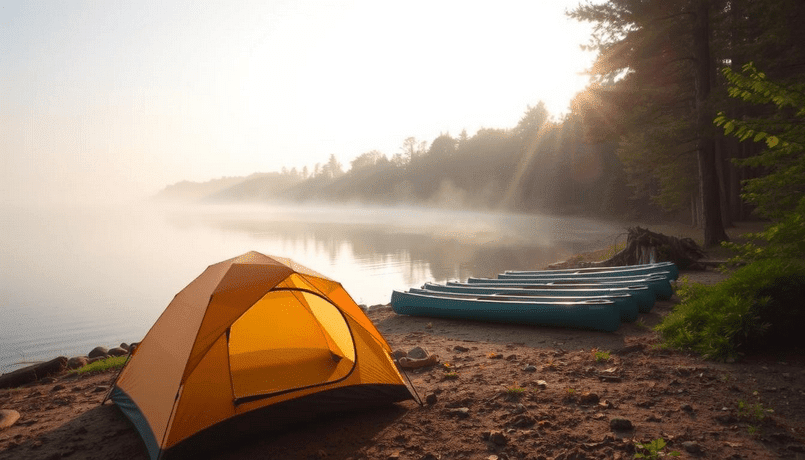
New Hampshire's Lakes Region offers idyllic waterfront camping experiences with opportunities for swimming, fishing, and water sports. These campgrounds combine natural beauty with recreational activities for a perfect summer getaway.

4. White Lake State Park
Location: Tamworth, NH
Key Features: This beautiful state park surrounds a pristine glacial lake with a sandy beach, making it perfect for swimming and paddling. The campground offers a mix of wooded and more open sites, some with partial views of the lake.
Amenities: Flush toilets, coin-operated showers, drinking water, fire rings, picnic tables, a camp store, boat rentals, and a sandy beach with designated swimming area.
Reservation Requirements: Reservations can be made through the New Hampshire State Parks system and are highly recommended during summer months. Sites can be booked up to 11 months in advance.
What Makes It Special: The glacial lake is the star attraction, offering crystal-clear water for swimming and a peaceful setting for paddling. The park's location provides a perfect balance of natural beauty and accessibility, with the White Mountains and North Conway shopping areas both within easy driving distance.
5. Pawtuckaway State Park
Location: Nottingham, NH
Key Features: This expansive state park offers diverse camping options around a beautiful lake. The park features unique geological formations, including a boulder field and fire tower with panoramic views, plus miles of hiking and mountain biking trails.
Amenities: Flush toilets, coin-operated showers, drinking water, fire rings, picnic tables, boat launch, canoe/kayak rentals, and a swimming beach.
Reservation Requirements: Reservations are available through the New Hampshire State Parks system and are strongly recommended, especially for weekend stays during summer months.
What Makes It Special: Pawtuckaway offers an excellent mix of activities, from water sports on the lake to hiking and bouldering. The diverse landscape includes marshes, forests, and rocky outcroppings, creating multiple ecosystems to explore. It's particularly popular with rock climbers who come for the boulder field.
6. Umbagog Lake State Park
Location: Cambridge, NH
Key Features: For a unique camping experience, Umbagog Lake offers remote waterfront sites accessible only by boat. This pristine wilderness area straddles the New Hampshire-Maine border and is known for its wildlife, particularly bald eagles and moose.
Amenities: Remote sites include pit toilets, fire rings, and picnic tables. The main campground offers flush toilets, showers, a boat launch, and boat rentals. Water taxi service is available to remote sites.
Reservation Requirements: Reservations for both the main campground and remote sites can be made through the New Hampshire State Parks system. Remote sites should be booked well in advance during summer months.
What Makes It Special: The remote campsites offer a true wilderness experience with the convenience of being accessible by boat. The lake is renowned for its fishing, wildlife viewing, and paddling opportunities. According to reviews, "The remote campsites have pit toilets in an outhouse, fire pits with heavy grill and picnic table with extension for camp stove. There are tent platforms."
Tent Camping in Southern New Hampshire
Southern New Hampshire offers accessible camping options with a mix of natural beauty and proximity to towns and cities. These campgrounds are perfect for weekend getaways and those seeking a balance of outdoor adventure and convenience.

7. Bear Brook State Park
Location: Allenstown, NH
Key Features: As New Hampshire's largest developed state park, Bear Brook offers extensive recreational opportunities with over 40 miles of trails for hiking and mountain biking. The park features several ponds for fishing and swimming, as well as historical CCC buildings and a museum.
Amenities: Flush toilets, coin-operated showers, drinking water, fire rings, picnic tables, archery range, and boat rentals.
Reservation Requirements: Reservations can be made through the New Hampshire State Parks system and are recommended for weekend stays during the summer season.
What Makes It Special: Bear Brook's extensive trail network makes it a favorite for mountain bikers and hikers. The park's size means you can find secluded spots even on busy weekends. Its southern location makes it easily accessible for a quick getaway from Boston and southern New Hampshire cities.
8. Pillsbury State Park
Location: Washington, NH
Key Features: Often described as one of New Hampshire's best-kept secrets, Pillsbury State Park offers a rustic camping experience with a network of ponds and wetlands. The park is part of the Monadnock Region and features a mix of forested and waterfront sites.
Amenities: Vault toilets, drinking water, fire rings, picnic tables, boat launch, and canoe/kayak rentals. No showers are available.
Reservation Requirements: Reservations can be made through the New Hampshire State Parks system. The park is less crowded than many others, but weekend reservations are still recommended during summer.
What Makes It Special: Pillsbury offers a more primitive camping experience with fewer amenities but greater solitude. The interconnected ponds are perfect for paddling, and the park connects to the 50-mile Monadnock-Sunapee Greenway Trail. Wildlife sightings, including moose and loons, are common.
Seasonal Considerations for New Hampshire Tent Camping
New Hampshire's camping season varies significantly throughout the year, with each season offering unique experiences and considerations. Understanding these seasonal differences will help you plan the perfect camping trip.

Spring (May-June)
Pros: Fewer crowds, blooming wildflowers, and moderate temperatures during the day.
Cons: Cooler nights, potential for rain, and lingering snow at higher elevations. Black fly season typically peaks in late May through June.
Tips: Pack layers and rain gear. Consider lower elevation campgrounds early in the season. Bring insect repellent for black flies and mosquitoes.
Summer (July-August)
Pros: Warm temperatures, all campgrounds and facilities open, ideal for swimming and water activities.
Cons: Peak crowds, higher prices, and potential for thunderstorms. Reservations may be difficult to secure for popular campgrounds.
Tips: Book well in advance, especially for weekends. Consider weekday visits to avoid crowds. Be prepared for afternoon thunderstorms in the mountains.
Fall (September-October)
Pros: Spectacular foliage, fewer insects, comfortable daytime temperatures, and reduced crowds after Labor Day.
Cons: Cold nights, especially in October. Many campground facilities begin closing in mid-October.
Tips: Pack warm sleeping bags and extra layers for night. Check campground closing dates when planning late-season trips. Fall foliage peaks in late September in the north and early-mid October in the south.
Winter Camping in New Hampshire
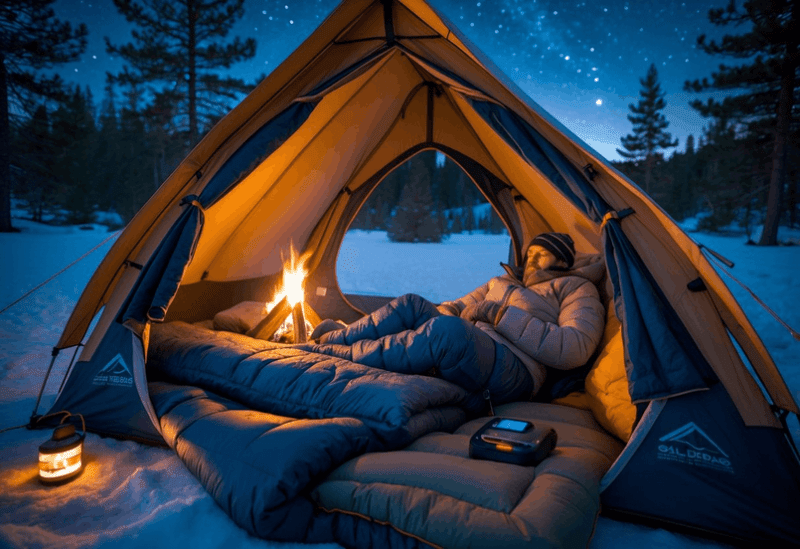
While most developed campgrounds close for winter, some adventurous campers enjoy winter tent camping in New Hampshire. This requires specialized gear and experience. The White Mountain National Forest allows winter backcountry camping with proper preparation. Some private campgrounds like Wandering Pines Camping offer winter camping options with electrical hookups.
Permits and Regulations for Tent Camping in New Hampshire
Understanding the rules and regulations for camping in New Hampshire will help ensure a smooth and legal camping experience. Requirements vary depending on where you plan to camp.
State Park Camping
- Reservations are required at most state park campgrounds and can be made through the NH State Parks website or by calling 603-271-3628.
- Fees typically range from $25-40 per night for NH residents and slightly higher for non-residents.
- Check-in time is typically 1:00 PM, with check-out by 11:00 AM.
- Most state parks allow a maximum of 4 adults and 2 tents per site.
- Quiet hours are generally from 10:00 PM to 7:00 AM.
- Pets are allowed at most state park campgrounds but must be leashed and attended at all times.
National Forest Camping
- Developed campgrounds in White Mountain National Forest require fees ranging from $20-30 per night.
- Some campgrounds accept reservations through Recreation.gov, while others are first-come, first-served.
- Backcountry camping is allowed in most areas of the White Mountain National Forest with some restrictions.
- Camping is prohibited within 200 feet of water sources and trails in most areas.
- A Recreation Pass may be required when parking at trailheads and certain recreation areas.
Fire Permits and Restrictions
Campfires are generally allowed in designated fire rings at established campgrounds. For dispersed camping on private land, a fire permit is required and can be obtained from the local Forest Fire Warden or online through the NH Division of Forests and Lands. During dry periods, fire bans may be implemented, so always check current conditions before your trip.
Dispersed Camping Options in New Hampshire
For those seeking a more primitive and solitary camping experience, New Hampshire offers several dispersed camping options away from developed campgrounds. These opportunities provide a true wilderness experience but require proper preparation and adherence to regulations.

White Mountain National Forest Dispersed Camping
The White Mountain National Forest allows dispersed camping in many areas, subject to specific regulations:
- Camp at least 200 feet away from trails, water sources, and developed areas.
- No camping above treeline or in designated alpine zones except at designated sites.
- Maximum stay is 14 days in a 30-day period.
- Practice Leave No Trace principles, including proper waste disposal.
- Popular areas for dispersed camping include Cherry Mountain Road, Wild River Wilderness, and Kilkenny Ridge.
According to reviews, Cherry Mountain Road offers "a large fire circle with room for 6 to 8 campers to sit around the fire" at some of its dispersed sites.
Private Land Camping Options
Several private landowners in New Hampshire offer primitive camping experiences through platforms like Hipcamp. These sites often provide more privacy than public campgrounds while still offering basic amenities:
- Sacred Nectar Sanctuary in North Sandwich offers secluded tent sites with mountain views.
- Sweet Song Acres provides riverside camping along the Little Sugar River.
- Hussey Mountain Tree Farm features private camping with access to hiking trails and a pond.
These private options typically range from $30-75 per night and often provide a more unique experience than standard campgrounds.
Important Dispersed Camping Considerations
Dispersed camping requires proper preparation and environmental awareness. Always pack out all trash, properly store food to prevent wildlife encounters, and be prepared for no facilities (toilets, water sources, etc.). Check for any temporary restrictions or closures before your trip, as these can change based on weather conditions, wildlife activity, or conservation efforts.
Wildlife Safety While Tent Camping in New Hampshire
New Hampshire's forests are home to diverse wildlife, including black bears, moose, and smaller mammals. Understanding how to safely coexist with these animals is essential for a positive camping experience.

Black Bear Safety
- Store all food, trash, and scented items (including toothpaste and soap) in bear-resistant containers or properly hung food bags.
- Cook and eat at least 100 feet away from your tent.
- Never keep food or scented items in your tent.
- Clean up thoroughly after meals and properly store all cooking equipment.
- If you encounter a bear, make yourself look big, make noise, and back away slowly. Do not run or play dead.
According to camper reviews at Guyot Shelter, "Be advised, mice and perhaps other rodents WILL get your food in the box provided so store your food appropriately."
Moose Awareness
- Moose are commonly seen in northern New Hampshire and can be dangerous if threatened.
- Keep a safe distance (at least 50 feet) from any moose you encounter.
- If a moose shows signs of aggression (laid-back ears, raised hackles), back away and seek cover behind a tree or large object.
- Be especially cautious during fall rutting season (September-October) when bulls are more aggressive.
- Drive carefully on roads at dawn and dusk when moose are most active.
Smaller Wildlife Considerations
Proper food storage isn't just for bears—it also prevents problems with raccoons, squirrels, and mice. Many backcountry campers report issues with small rodents getting into food supplies. Use sealed containers for all food items and never leave food unattended. Ticks are also prevalent in New Hampshire, so perform regular tick checks, use repellent, and consider permethrin-treated clothing for longer trips.
Essential Gear for Tent Camping in New Hampshire
Being properly equipped for New Hampshire's variable conditions will ensure a comfortable and safe camping experience. Here's a comprehensive list of gear to consider for your trip.

Shelter & Sleeping
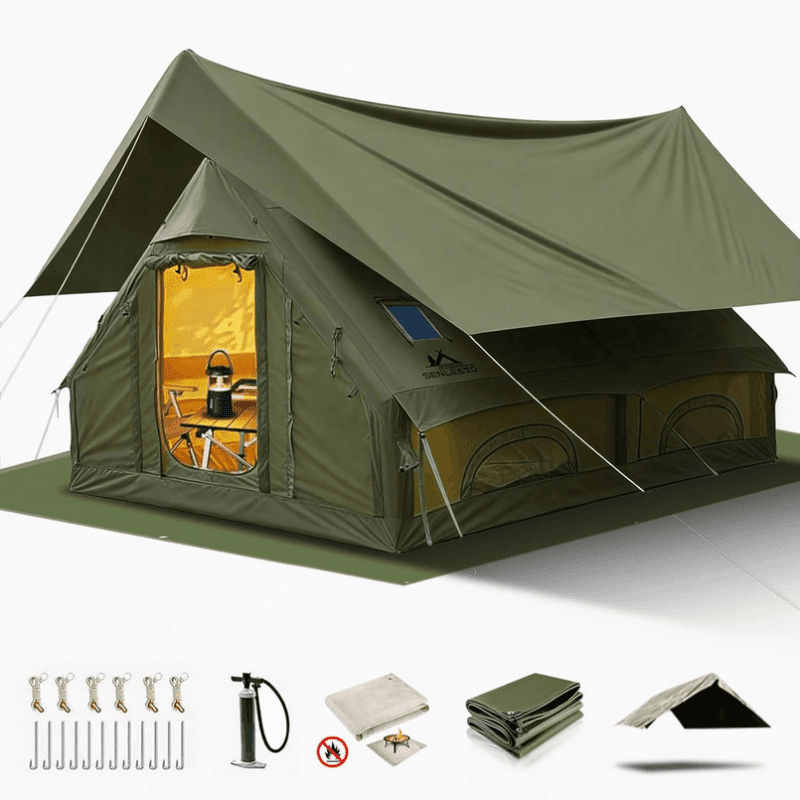
- Quality Tent: 3-season tent with a full rain fly and sturdy poles that can withstand New Hampshire's unpredictable weather.
- Sleeping Bag: Rated for temperatures at least 10°F colder than expected lows (30°F bag for summer, 15-20°F for spring/fall).
- Sleeping Pad: Insulated pad with an R-value of at least 2 for summer and 4+ for spring/fall camping.
- Pillow: Compact camping pillow or stuffable pillow case.
- Tarp: Extra ground protection or emergency shelter.
Cooking & Hydration
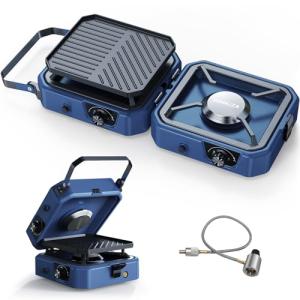
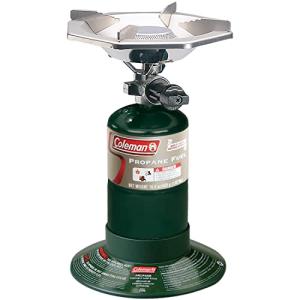
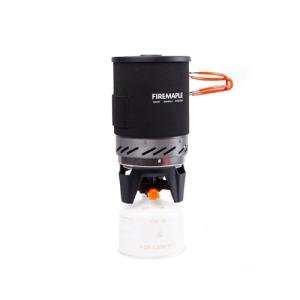
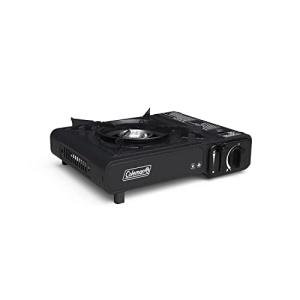
- Camp Stove: Reliable stove with fuel appropriate for your trip length.
- Cookware: Lightweight pot, pan, and utensils.
- Water Filter/Purifier: Essential for backcountry camping and good backup for campgrounds.
- Water Containers: Bottles or reservoir with at least 2-liter capacity.
- Food Storage: Bear canister or materials for proper food hanging in bear country.
- Cooler: For car camping with perishable foods.
Clothing & Personal Items
- Layered Clothing: Moisture-wicking base layers, insulating mid-layers, and waterproof outer layers.
- Rain Gear: Quality rain jacket and pants, even in summer.
- Hiking Boots/Shoes: Sturdy footwear appropriate for your planned activities.
- Hat: Sun protection and warmth for cool evenings.
- Headlamp/Flashlight: With extra batteries.
- First Aid Kit: Include personal medications and treatments for blisters, cuts, and insect bites.
- Insect Repellent: Essential, especially during black fly and mosquito season.
Prepare for Your New Hampshire Adventure
Having the right gear makes all the difference in your camping experience. Check out these recommended camping supplies to ensure you're fully prepared for your New Hampshire adventure.
View Complete Camping ChecklistTips for First-Time Campers in New Hampshire
If you're new to camping or visiting New Hampshire for the first time, these practical tips will help you have a safe and enjoyable experience.

What's the best campground for beginners in New Hampshire?
For first-time campers, we recommend starting with developed state park campgrounds like White Lake State Park or Lafayette Place Campground. These sites offer good amenities, clear campsite boundaries, and ranger assistance if needed. They also provide easy access to activities like swimming and hiking while maintaining a genuine outdoor experience.
When should I make reservations?
For summer weekends and any time during fall foliage season, book as far in advance as possible—ideally 6-11 months ahead for popular campgrounds. For weekday visits or shoulder seasons, 1-3 months ahead is usually sufficient. Some campgrounds hold a few sites for walk-ins, but don't count on this during peak times.
How do I prepare for New Hampshire's weather?
New Hampshire weather can change rapidly, especially in the mountains. Always pack layers and rain gear, even if the forecast looks clear. Nights can be surprisingly cold, even in summer, so bring a warm sleeping bag. Check mountain forecasts specifically if camping at higher elevations, as conditions can differ significantly from valley locations.
What about cell phone service?
Cell service is limited or non-existent in many camping areas, especially in the White Mountains and remote state parks. Download maps and information before your trip, and consider bringing a paper map as backup. Let someone know your itinerary before heading to remote areas. For emergency communication in backcountry areas, consider a satellite messenger device.
How do I minimize my environmental impact?
Follow Leave No Trace principles: pack out all trash, stay on designated trails, respect wildlife by observing from a distance, and leave natural objects as you find them. Use established fire rings only, and fully extinguish all fires. In backcountry areas, use proper techniques for human waste disposal, typically burying waste 6-8 inches deep at least 200 feet from water sources, trails, and campsites.
Practice Before You Go
If you're new to camping, consider setting up your tent in your backyard or a local park before your trip. This allows you to familiarize yourself with your gear and identify any missing items or issues before you're in a remote location. Practicing tent setup can save significant time and frustration, especially if you arrive at your campsite near dusk or in rainy conditions.
Why New Hampshire Offers Exceptional Tent Camping Experiences
New Hampshire's diverse landscapes, well-maintained campgrounds, and abundant natural beauty make it a premier destination for tent camping in the Northeast. From the majestic White Mountains to serene lakeshores and peaceful forests, the Granite State offers camping experiences to suit every preference and skill level.
What sets New Hampshire apart is the accessibility of wilderness experiences. Within a relatively compact state, campers can find remote backcountry sites that feel worlds away from civilization, family-friendly campgrounds with modern amenities, and everything in between. The state's commitment to conservation ensures these natural spaces remain pristine for future generations of campers to enjoy.
Whether you're seeking challenging hikes with rewarding summit views, peaceful days by the water, or simply a quiet retreat into nature, New Hampshire's campgrounds provide the perfect base for your outdoor adventures. The changing seasons offer unique camping experiences throughout the year, from summer swimming and paddling to spectacular fall foliage displays.
As you plan your tent camping trip to New Hampshire, remember that proper preparation is key to a successful experience. Make reservations well in advance for popular destinations, pack appropriate gear for variable weather conditions, and familiarize yourself with local regulations and wildlife safety practices. With the right planning and respect for the natural environment, your New Hampshire camping adventure will create lasting memories and likely inspire many return visits to this outdoor paradise.
Start Planning Your New Hampshire Camping Adventure
Ready to experience the best tent camping in New Hampshire? Start by securing your spot at one of these exceptional campgrounds.
Book Your Campsite NowNew Hampshire Camping Destinations Map
Use this interactive map to locate the top tent camping destinations mentioned in this guide. Click on markers for more information about each location.
https://www.google.com/maps/embed?pb=!1m18!1m12!1m3!1d1419157.3655595986!2d-72.57006508750002!3d43.68205010000001!2m3!1f0!2f0!3f0!3m2!1i1024!2i768!4f13.1!3m3!1m2!1s0x4cb3444d9c01d6ed%3A0x99a24e04e71c4bbe!2sWhite%20Mountain%20National%20Forest!5e0!3m2!1sen!2sus!4v1622835098750!5m2!1sen!2sus