Best National Parks for Tent Campers Who Love to Hike
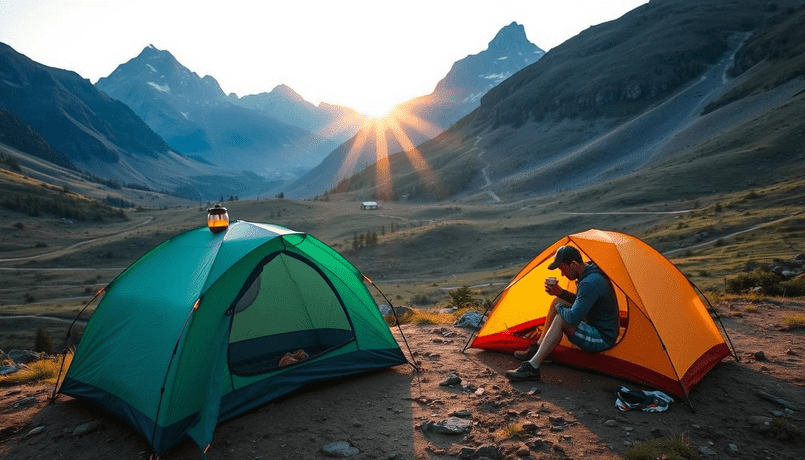
There's something magical about carrying everything you need on your back, setting up a simple tent in the wilderness, and exploring breathtaking trails by day. For outdoor enthusiasts who love both tent camping and hiking, certain national parks offer the perfect combination of backcountry solitude and spectacular trail networks. These parks become living playgrounds where you can wake up surrounded by nature and step directly onto world-class hiking paths.
Whether you're seeking alpine meadows, desert canyons, coastal wilderness, or ancient forests, the right national park can provide the ultimate tent camping and hiking experience. We've explored America's most magnificent public lands to bring you this curated guide to the parks that truly excel at both camping and hiking opportunities.
Get Our Free National Park Hiking & Camping Guide
Join our community of outdoor enthusiasts and receive seasonal updates on permit availability, trail conditions, and exclusive camping tips for America's most beautiful national parks.
Sign Up For Free Updates
1. Glacier National Park, Montana
Glacier National Park stands as a paradise for tent campers who love to hike. With over a million acres of pristine wilderness, jagged peaks, alpine meadows, and pristine lakes, this park offers some of the most spectacular backcountry experiences in America. The combination of remote campsites and over 700 miles of trails makes it ideal for those seeking both solitude and adventure.
Why It's Great for Hiking & Tent Camping
Glacier's backcountry camping system is designed for serious hikers. The park features over 65 designated backcountry campgrounds accessible only by trail, placing you directly on or near some of the park's most spectacular routes. Many sites sit beside alpine lakes or offer panoramic mountain views that day-hikers never experience. The park's backcountry permit system helps maintain solitude even during peak season.

Top Hiking Trails
Highline Trail
11.8 miles one-way, moderate to difficult
Often called the crown jewel of Glacier's trails, the Highline follows the Continental Divide with constant panoramic views. Wildlife sightings, including mountain goats and bighorn sheep, are common. For overnight hikers, Granite Park Campground sits near the trail, offering one of the park's most coveted backcountry sites.
Pitamakan-Dawson Loop
18.8-mile loop, difficult
This challenging loop in the park's quieter Two Medicine area offers spectacular alpine scenery with fewer crowds. The trail circles two stunning lakes and crosses two mountain passes. No Name Lake and Morning Star Lake campgrounds provide perfect overnight options along this route.
Camping Information
Glacier offers two distinct camping experiences for tent enthusiasts:
Backcountry Camping
The park's 65+ backcountry sites require permits, which can be reserved in advance (starting March 15) or obtained as walk-up permits. Popular sites include Elizabeth Lake, Cracker Lake, and Fifty Mountain. Each site typically accommodates 1-4 tents and includes food preparation areas, pit toilets, and food hanging devices for bear safety.
Frontcountry Camping
For those wanting established campgrounds with more amenities, Many Glacier Campground and Two Medicine Campground offer excellent tent sites with easy access to trailheads. These campgrounds provide flush toilets, potable water, and designated tent pads.
Pro Tip
Glacier's backcountry permits are highly competitive. For the best chance at securing your preferred itinerary, submit an advance reservation application during the March 15-April 15 window. Always have several backup itineraries prepared. For wildlife safety, carry bear spray and know proper food storage techniques.
Essential Gear for Glacier National Park
Prepare for Glacier's variable mountain weather and wildlife encounters with our recommended gear list.
Download Free Checklist2. Grand Teton National Park, Wyoming
The jagged skyline of the Teton Range creates one of America's most dramatic mountain landscapes. For tent campers who love to hike, Grand Teton offers the perfect combination: world-class trails leading to high alpine lakes and meadows, plus exceptional backcountry camping opportunities with unobstructed mountain views.
Why It's Great for Hiking & Tent Camping
Grand Teton's backcountry camping zones allow hikers to experience the park's most remote and beautiful areas. The park's trail system connects multiple camping areas, making it ideal for multi-day backpacking trips. The Teton Crest Trail, in particular, offers one of America's most spectacular backpacking experiences, with numerous camping options along its route.

Top Hiking Trails
Teton Crest Trail
40 miles one-way, difficult
This iconic trail traverses the heart of the Teton Range, passing through wildflower meadows, over high mountain passes, and alongside alpine lakes. Camping options include Death Canyon Shelf, Alaska Basin, and the North Fork of Cascade Canyon—all offering stunning mountain views.
Paintbrush Canyon-Cascade Canyon Loop
19.2-mile loop, difficult
This challenging loop crosses Paintbrush Divide at 10,700 feet and passes Lake Solitude, offering spectacular views throughout. Holly Lake and North Fork camping zones provide perfect overnight stops, allowing you to break this strenuous hike into a 2-3 day adventure.
Camping Information
Backcountry Camping
Grand Teton's backcountry is divided into camping zones rather than specific sites. Popular zones include Death Canyon Shelf, North Fork Cascade Canyon, and Paintbrush Canyon. Permits are required for all overnight stays and can be reserved in advance (starting January) or obtained as walk-up permits (one-third of permits are held for walk-ups).
Frontcountry Camping
Jenny Lake Campground offers a tent-only camping experience with easy access to many trailheads. This campground is first-come, first-served and typically fills by mid-morning during summer months. Signal Mountain Campground also offers excellent tent sites with views of Jackson Lake.
Pro Tip
Weather in the Tetons can change rapidly. When backpacking, always carry rain gear and warm layers, even in summer. For the best chance at securing walk-up permits, arrive at the permit office before it opens and have several alternative itineraries in mind. The park's elevation ranges from 6,400 to over 13,000 feet, so allow time to acclimate before attempting strenuous high-elevation hikes.
3. Zion National Park, Utah
Zion's towering sandstone cliffs, narrow slot canyons, and emerald pools create a desert wonderland for hikers. For tent campers, the park offers the unique experience of camping beneath massive canyon walls while having access to some of America's most iconic hiking trails.
Why It's Great for Hiking & Tent Camping
Zion's diverse landscape provides an exceptional variety of hiking experiences, from casual riverside walks to challenging canyon ascents. The park's backcountry camping options allow hikers to experience Zion's remote corners and escape the crowds that concentrate in the main canyon. Camping along the West Rim or in the Narrows offers experiences that day-hikers simply can't access.

Top Hiking Trails
The Narrows
16 miles one-way (top-down route), moderate to difficult
This iconic hike takes you through the narrowest section of Zion Canyon, where walls rise 1,000 feet while the canyon narrows to just 20-30 feet wide. The top-down route requires a wilderness permit and offers designated camping sites along the Virgin River, creating an unforgettable overnight experience.
West Rim Trail
14.2 miles one-way, moderate
Starting at Lava Point and descending into the main canyon, this trail offers spectacular views throughout. Designated camping sites along the West Rim provide some of the park's most scenic overnight locations, with panoramic vistas of the canyon below.
Camping Information
Backcountry Camping
Zion's backcountry is divided into specific camping sites rather than zones. Popular options include the West Rim sites, La Verkin Creek sites, and designated areas in the Narrows. All require wilderness permits, which can be reserved three months in advance through the park's online system. A limited number of walk-up permits are available one day before your trip start date.
Frontcountry Camping
Watchman Campground offers excellent tent sites within walking distance of the Visitor Center and shuttle stops. South Campground is another good option for tent campers. Both campgrounds require reservations, which can be made up to six months in advance and typically fill quickly.
Pro Tip
Flash floods are a serious danger in Zion's canyons. Always check weather forecasts before hiking in slot canyons like the Narrows, and have a backup plan if conditions aren't favorable. For summer visits, plan hiking for early morning or evening to avoid extreme heat. The park's shuttle system is mandatory during peak season, so familiarize yourself with the schedule and stops.
Desert Hiking & Camping Essentials
Get our specialized gear recommendations for desert national parks like Zion, including water filtration systems and sun protection.
View Recommended Gear4. Olympic National Park, Washington
Olympic National Park offers unparalleled diversity: wild Pacific coastline, temperate rainforest, and alpine meadows all within one park. For tent campers who love to hike, this means incredible variety in both camping environments and trail experiences, making it possible to have multiple distinct adventures in a single visit.
Why It's Great for Hiking & Tent Camping
Olympic's vast wilderness (95% of the park is designated wilderness) provides extensive backcountry camping opportunities in dramatically different ecosystems. You can camp on remote beaches with crashing waves as your soundtrack, in moss-draped rainforests beside crystal-clear rivers, or in high alpine meadows surrounded by wildflowers and mountain views.

Top Hiking Trails
Seven Lakes Basin Loop
19-mile loop, difficult
This spectacular loop passes through subalpine meadows filled with wildflowers in summer and offers views of seven stunning alpine lakes. Heart Lake and Lunch Lake provide excellent camping opportunities with mountain views. The High Divide portion of the trail offers panoramic vistas of Mount Olympus and the Bailey Range.
South Coast Wilderness Trail
17 miles one-way, moderate
This unique coastal hike traverses beaches, headlands, and coastal forest. Camping on wilderness beaches like Toleak Point offers the rare experience of falling asleep to the sound of waves with no development in sight. Rope ladders and tidal crossings add adventure to this distinctive trail.
Camping Information
Backcountry Camping
Olympic requires wilderness permits for all overnight backcountry stays. The park uses a quota system for popular areas like Seven Lakes Basin, the Enchanted Valley, and coastal sites. Permits can be reserved up to six months in advance through Recreation.gov. Some areas have designated campsites, while others allow dispersed camping following Leave No Trace principles.
Frontcountry Camping
For tent campers looking to access trailheads easily, Deer Park Campground offers a high-elevation tent-only experience with stunning views. Graves Creek Campground provides riverside tent sites with access to the Enchanted Valley trail. Hoh Rain Forest Campground places you in the heart of the temperate rainforest with easy access to the Hoh River Trail.
Pro Tip
Olympic's diverse ecosystems require different gear and preparation. For coastal hiking, carry a tide table and know how to read it—some sections are impassable at high tide. For rainforest camping, quality rain gear is essential year-round. Bear canisters are required for food storage in most of the park's backcountry areas.
5. Rocky Mountain National Park, Colorado
With more than 300 miles of hiking trails and 120 backcountry campsites, Rocky Mountain National Park is a dream destination for tent campers who love to hike. The park's spectacular alpine scenery, abundant wildlife, and well-maintained trail system make it one of America's premier mountain destinations.
Why It's Great for Hiking & Tent Camping
Rocky Mountain's extensive backcountry camping system allows hikers to experience the park's most remote and scenic areas. Many campsites sit beside alpine lakes or in high basins with panoramic mountain views. The park's trail network connects these sites, making it possible to create multi-day loop hikes or point-to-point traverses across the Continental Divide.

Top Hiking Trails
Continental Divide Loop via Tonahutu Creek
27-mile loop, difficult
This spectacular loop crosses the Continental Divide at Flattop Mountain and traverses some of the park's most scenic high-country terrain. Multiple backcountry sites along the route allow for a 3-4 day journey through alpine meadows, forests, and tundra, with excellent wildlife viewing opportunities.
Wild Basin to Thunder Lake
12 miles round-trip, moderate
This less-crowded trail follows North St. Vrain Creek through forests and meadows to Thunder Lake, nestled in a dramatic cirque beneath 13,000-foot peaks. The Thunder Lake backcountry site offers one of the park's most scenic camping locations.
Camping Information
Backcountry Camping
Rocky Mountain features over 120 designated backcountry sites, each accommodating 1-3 tents. Popular areas include Thunder Lake, Andrews Creek, and Timber Lake. Wilderness permits are required and can be reserved starting March 1 for the summer season. A limited number of permits are held for walk-up visitors.
Frontcountry Camping
For tent campers looking to access trailheads easily, Moraine Park Campground offers spectacular mountain views and frequent elk sightings. Glacier Basin Campground provides excellent tent sites with easy access to the Bear Lake Road corridor trails. Both require reservations during peak season (May-September).
Pro Tip
Afternoon thunderstorms are common in Rocky Mountain during summer months. Plan high-elevation hikes for early morning and be below treeline by noon. The park's timed entry reservation system (May-October) affects access to popular trailheads, but wilderness permit holders are exempt from this requirement on the day their trip begins.
6. Sequoia and Kings Canyon National Parks, California
These adjoining parks offer some of the Sierra Nevada's most spectacular mountain scenery, including the highest peak in the contiguous United States (Mount Whitney), deep glacial canyons, and groves of giant sequoias. For tent campers who love to hike, the parks' extensive wilderness provides endless opportunities for backcountry adventure.
Why It's Great for Hiking & Tent Camping
Sequoia and Kings Canyon contain over 800,000 acres of designated wilderness accessed by more than 800 miles of trails. The parks' backcountry camping system allows hikers to experience high alpine lakes, meadows, and forests far from roads and crowds. The John Muir Trail and High Sierra Trail both traverse these parks, offering world-class long-distance hiking opportunities.

Top Hiking Trails
High Sierra Trail
72 miles one-way, difficult
This epic trail crosses the Sierra Nevada from west to east, starting among giant sequoias and ending at Mount Whitney. Precipice Lake and Hamilton Lake offer some of the most spectacular camping locations, with dramatic mountain scenery reflected in crystal-clear alpine waters.
Rae Lakes Loop
41.4-mile loop, difficult
One of the most popular backcountry routes in the Sierra Nevada, this loop passes through glacially carved canyons, over a high mountain pass, and around the stunning Rae Lakes basin. Multiple designated camping areas along the route make it ideal for a 3-5 day backpacking trip.
Camping Information
Backcountry Camping
Wilderness permits are required for all overnight backcountry stays. The parks use a quota system for trailheads rather than specific campsites. Once on the trail, camping is allowed in most areas following Leave No Trace principles and specific park regulations (such as camping at least 100 feet from water sources). Permits can be reserved beginning in March for the summer season.
Frontcountry Camping
Lodgepole Campground offers excellent tent sites with easy access to the Giant Forest area. Cold Springs Campground in the Mineral King area provides a more remote tent camping experience with access to spectacular high-country trails. Both require reservations during peak season.
Pro Tip
Bear canisters are required for food storage throughout the backcountry of both parks. The Mineral King area offers access to spectacular alpine terrain but requires driving a challenging, narrow road that's not suitable for RVs or trailers. Early season hikers (June-July) should be prepared for stream crossings that can be dangerous during snowmelt.
High Sierra Backpacking Guide
Planning a trip to Sequoia, Kings Canyon, or other Sierra Nevada parks? Get our comprehensive guide to permits, bear safety, and seasonal considerations.
Download Free Guide7. North Cascades National Park, Washington
Often called "America's Alps," North Cascades National Park features some of the most rugged mountain terrain in the Lower 48 states. With over 300 glaciers, jagged peaks, alpine lakes, and dense forests, this wilderness park offers exceptional opportunities for tent campers who love challenging hikes and solitude.
Why It's Great for Hiking & Tent Camping
North Cascades is one of America's least-visited national parks, providing a true wilderness experience for backcountry campers. The park's remote character and limited road access mean that most of its spectacular terrain can only be experienced by those willing to hike in and camp. For tent campers seeking solitude and pristine mountain scenery, few parks can match what North Cascades offers.

Top Hiking Trails
Cascade Pass to Sahale Arm
12 miles round-trip, difficult
This spectacular trail climbs from Cascade Pass to Sahale Glacier Camp, one of the most dramatically situated backcountry sites in the National Park System. Perched at 7,600 feet, the camp offers 360-degree views of glaciated peaks and deep valleys. Permits for this coveted site are highly competitive.
Thunder Creek to Fourth of July Pass
13 miles one-way, moderate
This less-traveled route follows Thunder Creek through old-growth forest before climbing to subalpine terrain with mountain views. Multiple backcountry camps along the way make it ideal for a multi-day trip, with opportunities to extend your journey into more remote areas of the park.
Camping Information
Backcountry Camping
North Cascades uses a permit system for all overnight backcountry stays. The park has designated campsites rather than zones, with each site accommodating a limited number of tents. Popular sites include Sahale Glacier Camp, Copper Ridge, and Thornton Lakes. Permits can be reserved beginning in March, with a portion held for walk-up visitors.
Frontcountry Camping
Colonial Creek Campground on Diablo Lake offers excellent tent sites within the Ross Lake National Recreation Area (part of the North Cascades complex). This campground provides easy access to several trailheads. Nearby Newhalem Campground also offers good tent sites in a forested setting along the Skagit River.
Pro Tip
North Cascades has a shorter hiking season than many parks due to its northern location and high elevation. Most high-country trails are snow-covered until July, and snow can return by late September. The park's western side receives significant rainfall, so quality rain gear is essential. For the best experience, visit during the prime season of late July through early September.
Planning Your Trip: Essential Advice for Tent Campers Who Hike
Successfully combining tent camping with hiking in national parks requires careful planning and preparation. Here's what you need to know to make your adventure safe and enjoyable:
Permits and Reservations
Backcountry Permits
Most national parks require wilderness permits for all overnight backcountry stays. These permits often use quota systems to limit the number of campers in specific areas, helping preserve wilderness character and minimize environmental impact. Reservation windows vary by park but typically open 3-6 months in advance. Mark your calendar and be ready to apply the moment reservations open for popular destinations.
Frontcountry Campgrounds
Established campgrounds in national parks also require reservations during peak season (typically May through September). These reservations typically open six months in advance on Recreation.gov and can fill within minutes for popular parks. Having a frontcountry camping reservation for the night before and after your backcountry trip provides convenient staging areas.

Essential Gear for Hiking and Tent Camping
Shelter & Sleep System
- Lightweight backpacking tent (3-season for most parks)
- Sleeping bag rated appropriately for expected temperatures
- Sleeping pad for insulation and comfort
- Tent footprint or ground cloth
Hiking & Navigation
- Topographic map and compass (know how to use them)
- GPS device or app (as backup, not primary navigation)
- Trekking poles for stability on rough terrain
- Headlamp with extra batteries
Safety & Essentials
- Water filter or purification system
- Weather-appropriate clothing (including rain gear)
- First aid kit with blister treatment
- Bear canister or food storage equipment
Leave No Trace Principles
Responsible camping and hiking in national parks means following Leave No Trace principles to preserve these special places for future visitors:
- Plan ahead and prepare - Know regulations, weather forecasts, and terrain challenges before you go
- Travel and camp on durable surfaces - Stick to established trails and campsites
- Dispose of waste properly - Pack out all trash and learn proper human waste disposal for your destination
- Leave what you find - Preserve the past and natural features
- Minimize campfire impacts - Use a stove for cooking and follow fire regulations
- Respect wildlife - Observe from a distance and never feed animals
- Be considerate of other visitors - Keep noise levels down and yield to others on trails
Weather Considerations
Mountain weather can change rapidly in all seasons. Always check forecasts immediately before your trip and be prepared for conditions 20°F colder than predicted. In many mountain parks, afternoon thunderstorms are common in summer—plan to be below treeline by noon. Desert parks present different challenges, with extreme heat during summer days requiring early morning or evening hiking.

Complete National Park Backpacking Checklist
Don't forget essential gear for your next national park adventure. Our comprehensive checklist covers everything from technical equipment to often-forgotten items.
Download Free ChecklistEmbracing the National Park Backcountry Experience
There's something profoundly satisfying about carrying everything you need on your back, hiking deep into a national park's wilderness, and setting up a simple camp surrounded by America's most spectacular landscapes. The combination of tent camping and hiking offers a level of immersion in these protected places that can't be matched by day trips or RV camping.
Whether you're watching alpenglow illuminate mountain peaks from your tent door in Glacier, falling asleep to the sound of waves on Olympic's wilderness coast, or waking up beside a crystal-clear alpine lake in the Sierra Nevada, these experiences create connections with our national parks that last a lifetime.
The parks highlighted in this guide represent some of America's finest opportunities for tent campers who love to hike, but they're just the beginning. Each national park offers its own unique combination of trails and camping experiences waiting to be discovered. With proper planning, appropriate gear, and a commitment to responsible recreation, you're ready to experience these treasured landscapes in their most authentic form.
So lace up your boots, pack your tent, and hit the trail. America's most beautiful backcountry awaits.
Your National Park Adventure Starts Here
Join our community of national park enthusiasts to receive seasonal updates, permit availability alerts, and exclusive guides for tent campers who love to hike.
Sign Up For Free Updates